Car
Jungian Archetypes
Meaning
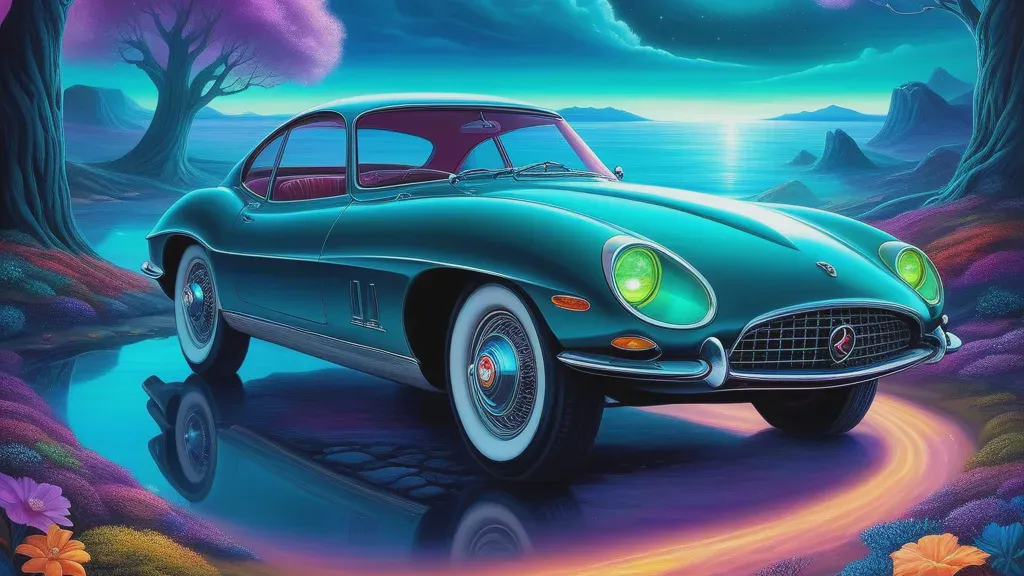
Cars in dreams represent your personal drive, ambition, and the direction of your life journey. They symbolize control, autonomy, and your ability to navigate through life's challenges and transitions.
Psychological Interpretation
From a Jungian perspective, the car embodies the Self archetype—your integrated personality moving forward. It represents the Hero's journey, your capacity to overcome obstacles and assert your will in the world.
Traditional Symbol Meaning
Across cultures, the car represents personal power, freedom, and the journey of life. It symbolizes autonomy and the ability to chart one's own course, reflecting the dreamer's sense of control over their destiny. The car's condition and performance mirror the dreamer's confidence and capability; a smooth drive suggests progress and alignment with goals, while obstacles or mechanical problems indicate life challenges or internal resistance. The car is fundamentally about movement and direction—who is steering, how fast, and toward what destination all speak to the dreamer's relationship with their own life path and personal agency.
Psychodynamic / Freudian
Psychodynamically, the car symbolizes the ego's defensive structures and its capacity to manage drives and impulses. Driving represents the ego's control over id impulses and superego demands, with the car's stability reflecting psychological equilibrium. Loss of control, crashes, or mechanical failure suggest repressed conflicts breaking through the ego's defenses, or anxiety about managing competing internal forces. The car may also represent the body itself—a vessel containing unconscious desires and fears. Who is driving, who is in the car, and the car's destination all reveal the dreamer's unconscious conflicts about autonomy, responsibility, and the management of forbidden impulses.
Contemporary Psychological
From a contemporary neuroscience perspective, the car dream reflects the brain's simulation of agency, decision-making, and threat response. Driving activates neural networks associated with executive function, planning, and motor control; loss of control triggers threat-detection systems and anxiety responses. The car serves as a metaphor for the prefrontal cortex's role in directing behavior and managing competing goals. Dreams of driving may consolidate memories related to real-world navigation, decision-making, or autonomy challenges. The emotional tone—confidence or panic—indicates how the brain is processing current stressors related to control, direction, and personal agency in waking life.
Gestalt / Parts of Self
From a Gestalt perspective, the car is an extension of the dreamer's own body and will—every part of the car experience belongs to the dreamer, not external forces. Driving represents owning one's choices and direction; being a passenger reflects disowned agency or projection of control onto others. The car's condition mirrors the dreamer's self-awareness: a broken car signals disconnection from one's own power, while smooth driving indicates integration and presence. Gestalt work invites the dreamer to reclaim all aspects of the car dream as their own creation, asking 'What part of myself am I driving? What part am I avoiding?'
Jungian / Archetypal
In Jungian analysis, the car represents the ego's vehicle for navigating the collective unconscious and the journey toward individuation. The car embodies the Self's capacity to move through psychological terrain, with the dreamer's position in or relationship to the vehicle revealing their sense of agency in the individuation process. A well-functioning car suggests alignment between conscious will and unconscious direction, while mechanical failures or loss of control point to shadow material disrupting the ego's forward movement. The car's condition, speed, and destination all amplify the archetypal message about the dreamer's current relationship with their own psychological development and autonomy.
Cultural & Historical Origins
In Norse mythology, Sleipnir is Odin's eight-legged horse that travels between worlds, symbolizing swift movement and transcendence. In Hindu tradition, the chariot represents the body guided by the soul. The concept of the journey appears in the Odyssey, where travel symbolizes spiritual transformation.
Contextual Variations
Driving a car
Ownership of direction and agency; confidence in navigating life's path; active engagement with goals and decisions. Smooth driving suggests alignment and progress; difficulty steering or poor visibility indicates confusion or obstacles.
Car out of control or brakes failing
Loss of agency or fear of losing control; anxiety about managing life direction; shadow material or repressed impulses breaking through conscious defenses. May signal overwhelm or the need to slow down and reassess.
Car crash
Collision with reality or consequences of choices; sudden disruption of plans or identity; confrontation with shadow material or unconscious conflicts. Severity reflects the intensity of the psychological impact.
Being a passenger
Disowned agency or trust in another's direction; passivity or dependence; projection of control onto external figures. May reflect healthy delegation or unhealthy abdication of responsibility.
A parked or broken-down car
Stalled progress or blocked energy; loss of momentum or motivation; disconnection from personal power. May signal need for rest, repair, or reassessment of direction.
Frequently Asked Questions
What does it mean if I'm driving recklessly in my dream?
Why do I dream about being unable to find the brakes?
What if someone else is driving my car in the dream?
Journaling Prompts
- Describe the car in detail: its color, condition, age, and how it feels to drive. What does this car represent about your current sense of power and capability?
- Who is in the driver's seat, and how do you feel about that? What would change if you were driving instead, or if someone else took over?
- Where are you driving, and why? What destination or goal does the journey represent in your waking life right now?
Related Symbols
Dreamed about Car?
Get a personalized AI interpretation that connects this symbol to your specific life circumstances.
Interpret My Dream