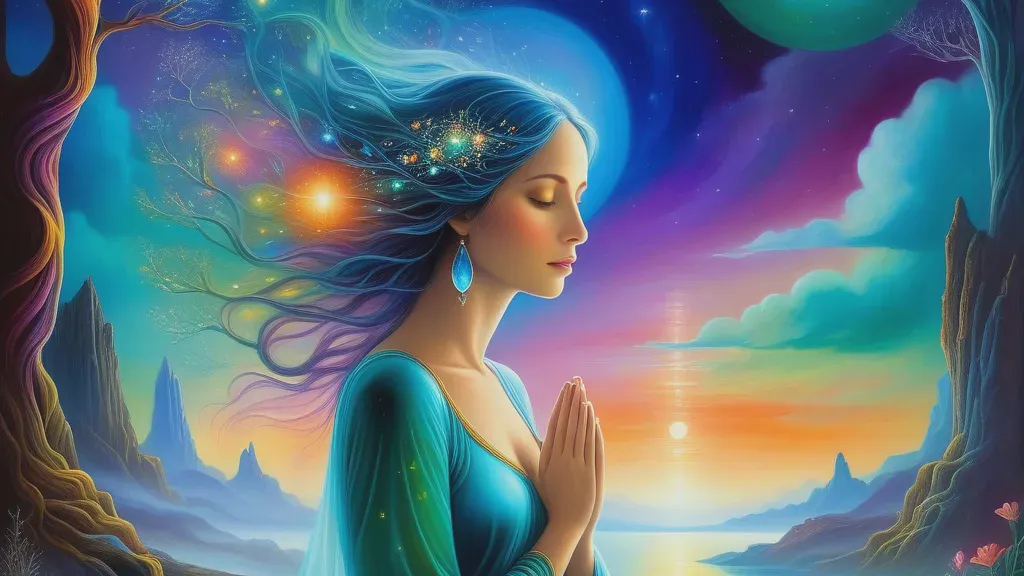
Melancholy
Jungian Archetypes
Meaning
Dreaming of melancholy can signify a deep introspection and processing of loss or sadness. This reflects the psyche's need to confront and integrate painful emotions, often linking to unresolved grief.
Psychological Interpretation
From a Jungian perspective, melancholy may represent the Shadow's unacknowledged feelings. Cognitive psychology views it as a response to stress or emotional overload, while practical psychology encourages the exploration of these emotions for personal growth.
Cultural & Historical Origins
Melancholy has been explored in various artistic traditions, such as in Romantic poetry with figures like John Keats, who portrayed deep emotional states. In ancient Greek culture, 'melancholia' was linked to the imbalance of bodily humors, reflecting its historical significance.
Contextual Variations
You sit by a window watching rain while a song plays softly; you feel heavy but not panicked, and you let the sadness stay.
This reflects healthy processing—melancholy as permission to feel and integrate loss. Psychologically, it suggests your Self is creating space for grief or longing so it can transform into clarity.
You try to cheer yourself up, but every attempt turns into remembering someone’s last message; you wake with a lingering ache.
The failed cheer attempt indicates avoidance or incomplete grieving. Your psyche is pulling you back to what matters, showing that distraction can’t substitute for emotional resolution.
Melancholy appears during a celebration; everyone is smiling, but you can’t join, and you quietly step outside to breathe.
This suggests a mismatch between your emotional truth and social expectations. Psychologically, it can indicate you’re carrying feelings you’ve minimized to stay “acceptable,” and the dream asks you to honor them without shame.
Frequently Asked Questions
Why do I dream in a melancholic mood instead of something more pleasant?
What if the melancholy in my dream felt calm rather than painful?
Does dreaming of melancholy mean I’m depressed?
Journaling Prompts
- What loss, disappointment, or longing does my melancholy seem to point to, and what evidence in the dream supports that?
- Where in waking life am I expected to be “fine,” and what feeling have I been postponing?
- If my melancholy had a message, what would it ask me to grieve, release, or acknowledge right now?
Related Symbols
Dreamed about Melancholy?
Get a personalized AI interpretation that connects this symbol to your specific life circumstances.
Interpret My Dream