Dead Relative
Jungian Archetypes
Meaning
A deceased relative in dreams represents wisdom, guidance, and unresolved emotional connections. They symbolize ancestral knowledge, the continuity of family bonds beyond death, and messages from your unconscious about inherited patterns or unfinished business.
Psychological Interpretation
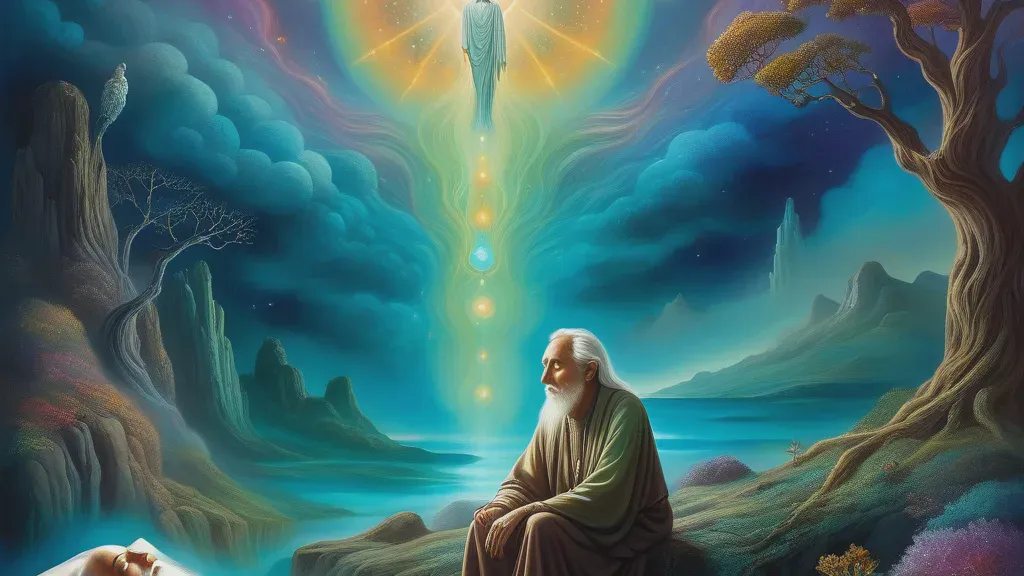
From a Jungian perspective, the dead relative embodies the Wise Old Man archetype—offering wisdom and perspective from beyond the conscious realm. They can also represent the Self, suggesting integration of ancestral wisdom into your current identity and psychological wholeness.
Traditional Symbol Meaning
Dreaming of a dead relative is a powerful symbol that resonates across various cultures and historical contexts. In many traditions, this dream is often interpreted as a connection to the spiritual realm, suggesting that the deceased is attempting to communicate or offer guidance to the living. In Western cultures, particularly in the context of grief and loss, such dreams are frequently seen as manifestations of unresolved feelings or a longing for closure. They can also symbolize the dreamer's need to reflect on the lessons imparted by the deceased, serving as a reminder of the values and wisdom they embodied. In Eastern cultures, such as those influenced by Buddhism, dreaming of deceased relatives can carry a more nuanced interpretation. It may be viewed as a sign of ancestral presence, where the dreamer is encouraged to honor their lineage and seek guidance from those who came before them. In these traditions, the dream is often seen as an opportunity for spiritual reflection and connection, emphasizing the continuity of life and the importance of remembering one's roots. Indigenous cultures, on the other hand, often view dreams of dead relatives as messages from the spirit world, indicating that the deceased may wish to convey important insights or warnings to the living. Historically, the interpretation of dreams involving deceased relatives has evolved, with many ancient civilizations, such as the Egyptians and Greeks, placing significant importance on dreams as conduits for divine messages. In these societies, dreams were often analyzed by priests or shamans who sought to decode the messages from the afterlife. This historical perspective underscores a belief that dreams serve as a bridge between the physical and spiritual realms, allowing for communication that transcends the boundaries of life and death. Traditional wisdom suggests that when one dreams of a dead relative, it can be beneficial to engage in introspection about the relationship shared with that person. Many cultures advocate for journaling or meditative practices to explore the emotions stirred by such dreams. The experience can be a catalyst for healing, prompting the dreamer to confront unresolved issues or to celebrate the legacy of the deceased. Ultimately, the meaning of dreaming about a dead relative is deeply personal and varies widely, shaped by individual experiences and cultural backgrounds, yet it universally reflects a profound connection to the past and the enduring influence of those we have lost.
Contemporary Psychological
Dreaming about a dead relative can evoke a range of emotions and responses, and from a contemporary psychology perspective, these dreams often serve as a complex interplay of emotional processing, memory consolidation, and threat simulation. Neuroscience suggests that dreams function as a mechanism for the brain to process and integrate experiences and emotions. When a deceased loved one appears in a dream, it may signify the dreamer's ongoing emotional processing related to grief, loss, or unresolved feelings associated with that person. The brain uses these dream scenarios to navigate and make sense of past experiences, allowing the dreamer to confront lingering emotions in a safe environment. The presence of a dead relative in dreams can also highlight common themes such as attachment, nostalgia, and the impact of loss on personal identity. These dreams may serve as a reminder of the values or lessons imparted by the deceased, prompting the dreamer to reflect on their own life choices and emotional state. This reflection can be particularly significant during periods of transition or stress, where the dreamer may be seeking guidance or reassurance from the wisdom of the deceased. Furthermore, the emotional weight of these dreams can indicate the depth of the dreamer's connection to the deceased, suggesting that unresolved issues or feelings may still be at play in their waking life. In terms of the dreamer's inner world, dreaming of a dead relative can reveal insights into their current life situation. It may indicate that the dreamer is grappling with feelings of abandonment, fear of loss, or anxiety about change. Alternatively, such dreams can also represent a reconciliation with past experiences, allowing the dreamer to process feelings of guilt or regret. This process can lead to personal growth, as the dreamer learns to integrate these experiences into their self-concept, ultimately fostering resilience and emotional healing. To derive practical psychological insights from these dreams, it can be beneficial for the dreamer to engage in reflective practices such as journaling or discussing their feelings with a trusted friend or therapist. Exploring the emotions evoked by the dream can help the dreamer better understand their current emotional landscape and identify areas that may require attention or healing. Additionally, acknowledging the lessons and memories associated with the deceased relative can provide a sense of continuity and connection, reinforcing the idea that while the physical presence may be gone, their influence and legacy continue to shape the dreamer's life.
Gestalt / Parts of Self
In Gestalt Psychology, dream elements are viewed as representations of different aspects of the self, allowing for an exploration of the dreamer's inner world. When a dreamer encounters a dead relative in their dreams, this symbol often embodies unresolved emotions, memories, or traits associated with that individual. Rather than simply representing the deceased person, the dream may indicate parts of the dreamer's own psyche that need acknowledgment or integration. The dead relative could symbolize a lost aspect of the self, such as a forgotten talent, a past experience, or even unresolved grief that the dreamer has yet to confront. The appearance of a dead relative in a dream can evoke a range of emotions, from nostalgia to fear, and these feelings can provide insight into the dreamer's current life situation. For instance, if the dreamer feels comforted by the presence of the deceased, it might suggest a need for guidance or reassurance in their waking life. Conversely, if the dream is unsettling, it may reflect internal conflicts or the dreamer's struggle with loss and acceptance. This symbol encourages the dreamer to explore their relationship with the deceased and how it influences their identity and emotional state today. From a psychological perspective, dreaming of a dead relative can signify a call for integration and ownership of past experiences. The dream may prompt the dreamer to reflect on how the qualities or values associated with that relative manifest in their life. For instance, if the relative was known for their resilience, the dream could be urging the dreamer to tap into their own strength during challenging times. By recognizing and embracing these qualities, the dreamer can foster personal growth and healing, transforming the memory of the deceased into a source of empowerment rather than sorrow. To derive practical insights from this dream symbol, individuals are encouraged to engage in self-reflection and journaling about their feelings regarding the deceased. This process can help clarify unresolved emotions and facilitate a deeper understanding of how these feelings impact their current life. Additionally, exploring the traits or values represented by the dead relative can inspire the dreamer to reclaim those aspects of themselves, leading to a more integrated and authentic self. Ultimately, the dream serves as an invitation to honor the past while actively shaping the future, fostering a sense of continuity and wholeness in the dreamer's life journey.
Jungian / Archetypal
In Jungian and Analytical Psychology, the appearance of a dead relative in dreams often serves as a powerful symbol connected to the collective unconscious and the archetypes that reside within it. This figure may represent not only the individual who has passed but also the qualities, values, or unresolved issues they embody. The dead relative can symbolize a connection to family lineage, ancestral wisdom, or the legacy of traits passed down through generations. This archetype invites the dreamer to explore their relationship with their heritage and the influence it has on their current identity and life choices. From a psychological perspective, dreaming of a deceased family member may also bring forth elements of the shadow—the parts of ourselves that we repress or deny. The dead relative could embody aspects of the dreamer’s own psyche that require acknowledgment or integration. For instance, if the relative was known for certain traits, such as strength or nurturing, the dream might suggest that the dreamer is being called to embrace these qualities or confront the fears associated with them. This encounter can thus serve as a catalyst for individuation, a process where the individual integrates different aspects of the self to achieve a more complete and authentic identity. Additionally, such dreams often reflect the dreamer’s inner world and current life situation. They may indicate unresolved grief or a desire for closure regarding the relationship with the deceased. Alternatively, the dream could symbolize a need for guidance or support during a transitional phase in the dreamer's life. The presence of the dead relative might suggest that the dreamer is seeking reassurance or wisdom as they navigate challenges or changes. This can be particularly relevant during times of stress, loss, or significant life decisions, where the dreamer subconsciously seeks comfort from familiar sources. To derive practical psychological insights from these dreams, individuals can reflect on their feelings during the dream and the specific qualities of the deceased relative that stood out. Journaling about these emotions and traits can provide clarity on how they relate to the dreamer's current life circumstances. Engaging in conversations about the deceased with family members or exploring family history may also facilitate deeper understanding and healing. Ultimately, recognizing the symbolic nature of dead relatives in dreams can empower individuals to confront their past, embrace their heritage, and integrate the lessons learned into their journey toward self-discovery and growth.
Psychodynamic / Freudian
Dreaming of a dead relative often evokes a complex interplay of emotions and subconscious messages, making it a rich symbol within psychodynamic psychology. From this perspective, the manifest content of such a dream—the literal appearance of a deceased family member—may seem straightforward. However, the latent content, or the underlying meaning, can reveal much about the dreamer's unresolved feelings, wishes, and conflicts. The presence of a dead relative in a dream may signify a desire for connection, reconciliation, or closure regarding past relationships, highlighting the dreamer's ongoing emotional ties to their family history. In psychodynamic terms, dreams serve as a form of wish fulfillment, allowing individuals to explore their desires and fears in a safe space. A dream featuring a deceased relative may reflect the dreamer's longing for guidance, approval, or emotional support that they associate with that person. Alternatively, it could symbolize unresolved grief or guilt, suggesting that the dreamer has not fully processed their feelings related to the relative's death. This can manifest as a need to confront or integrate aspects of the self that the deceased relative represented, such as values, beliefs, or unresolved conflicts that continue to influence the dreamer's life. Moreover, dreaming about a dead relative can indicate the use of defense mechanisms, such as repression or denial, in the dreamer's waking life. If the dreamer has been avoiding conversations about loss or family dynamics, the appearance of the relative in a dream may signal a need to confront these issues. This dream might serve as an invitation to explore hidden emotions or to address familial patterns that have been swept under the rug. By engaging with these themes, the dreamer can begin to integrate their experiences and feelings, leading to personal growth and emotional healing. Ultimately, the appearance of a dead relative in a dream offers valuable insights into the dreamer's inner world. It encourages reflection on how past relationships shape current experiences and emotional responses. For those who experience such dreams, it can be beneficial to journal about the feelings evoked, consider the qualities associated with the deceased relative, and explore any unresolved issues related to them. This process can facilitate greater self-awareness and help the dreamer navigate their current life situation with newfound clarity and purpose.
Cultural & Historical Origins
Ancestor veneration appears across cultures: Chinese traditions honor ancestors through ritual and communication. African cultures maintain strong connections with ancestors as guides and protectors. Celtic spirituality views the veil between living and dead as permeable. Mesoamerican cultures, including Aztec and Maya, celebrated Día de Muertos as sacred communion with deceased loved ones.
Contextual Variations
A deceased relative speaking or offering advice
Ancestral wisdom emerging, guidance for current life decisions, or messages from your unconscious
A deceased relative appearing sad or troubled
Unresolved grief, unfinished business, or aspects of the relationship requiring closure and healing
Frequently Asked Questions
Does dreaming of a dead relative mean they're trying to contact me?
What if I feel guilty or sad when I dream of a deceased relative?
Journaling Prompts
- What wisdom or qualities did this relative possess that you need to integrate into your own life?
- Is there unfinished business or unspoken words between you and this person that your dream is highlighting?
Related Symbols
Dreamed about Dead Relative?
Get a personalized AI interpretation that connects this symbol to your specific life circumstances.
Interpret My Dream