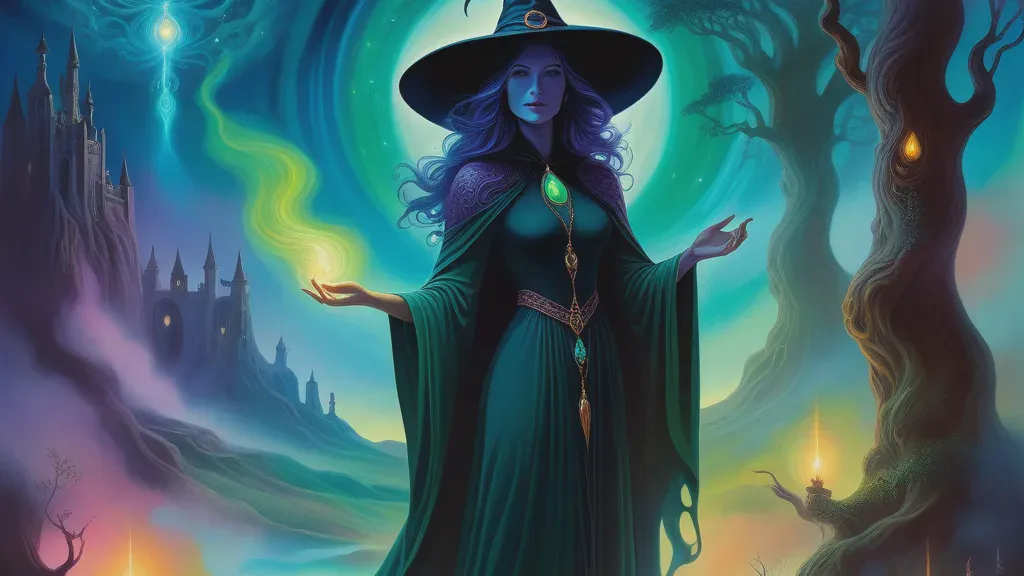
Witch
Jungian Archetypes
Meaning
The witch represents the wise woman archetype combined with the shadow self, embodying both healing knowledge and destructive power. She symbolizes feminine wisdom, intuition, and the ability to transform reality through will and magic. In dreams, she often reflects the dreamer's relationship with their own power and the darker aspects of femininity.
Psychological Interpretation
Jungian psychology views the witch as a manifestation of the Shadow archetype and the Great Mother, representing untapped feminine power and the integration of dark and light aspects of the psyche. Encountering a witch in dreams suggests a need to acknowledge and integrate one's own magical potential and hidden strengths. The witch may also represent the anima in male dreamers, calling for recognition of inner feminine wisdom.
Traditional Symbol Meaning
The symbol of the witch in dreams has a rich tapestry of meanings that vary significantly across cultures and historical contexts. In Western traditions, witches have often been associated with the occult, magic, and feminine power. Historically, during the witch hunts of the 16th and 17th centuries, witches were often portrayed as malevolent figures, embodying fear and societal anxieties about female empowerment and independence. Dreaming of a witch in this context might suggest feelings of vulnerability or confrontation with one's own fears of power and transformation. Conversely, in some pagan and neo-pagan traditions, witches are revered as wise women and healers, representing knowledge, intuition, and the natural world. In these instances, dreaming of a witch may symbolize a connection to one's inner wisdom or a call to embrace one's own magical potential. In Eastern cultures, the interpretation of witches can differ significantly. For instance, in Chinese folklore, figures akin to witches are often viewed through the lens of balance between good and evil, with some practitioners of traditional medicine and spirituality being seen as healers rather than malevolent forces. In Japanese culture, the concept of yōkai, which includes supernatural beings, can sometimes overlap with witch-like figures, symbolizing the duality of nature and the importance of harmony. Dreaming of such entities may reflect an internal struggle or a need to reconcile opposing aspects of oneself, urging the dreamer to seek balance in their waking life. Throughout history, dreams featuring witches have been interpreted as messages from the unconscious mind, often reflecting the dreamer's relationship with power, femininity, and intuition. Traditional wisdom suggests that these dreams invite the dreamer to explore their own fears and desires, particularly regarding personal agency and transformation. In many indigenous cultures, dreams are considered a vital means of communication with the spirit world, where witches or shamanic figures often serve as guides or protectors. In this context, dreaming of a witch may signify a need for guidance or a reminder of one’s own spiritual journey. Culturally, variations in the meaning of witch-related dreams reveal deep-seated beliefs and values. In some African traditions, witches are seen as figures who can both harm and heal, representing the duality of human nature. Dreaming of a witch in this context might indicate a need to confront one's shadow self or unresolved conflicts. Meanwhile, in contemporary interpretations, the witch has been reclaimed as a symbol of empowerment and resilience, often representing the dreamer's desire to break free from societal constraints. Overall, the dream symbol of the witch serves as a powerful reminder of the complexities of human experience, inviting individuals to explore their own narratives of power, fear, and transformation.
Contemporary Psychological
In contemporary psychology, particularly through the lens of neuroscience and emotional processing, the symbol of a witch in dreams often represents complex inner conflicts and the exploration of one's fears and desires. Witches are frequently associated with the unknown, power, and transformation, embodying both the nurturing and destructive aspects of femininity. This duality can reflect the dreamer's own struggles with their identity, societal expectations, or repressed emotions. The presence of a witch in a dream may be a manifestation of the brain's threat simulation system, which helps individuals navigate and rehearse potential dangers in their waking life, allowing them to confront and process their anxieties in a safe environment. Dreaming of a witch can signal a confrontation with feelings of vulnerability or powerlessness. In many cultures, witches are depicted as figures of fear and manipulation, and encountering one in a dream may indicate that the dreamer feels threatened by an external force or is grappling with feelings of being controlled or judged. This could relate to personal relationships, work dynamics, or societal pressures. On a deeper level, the witch may symbolize the dreamer's own suppressed abilities or desires, suggesting a need to reclaim personal power or to embrace aspects of themselves that they have been taught to deny or fear. The emotional processing that occurs during dreaming allows for these themes to surface, providing a pathway for self-reflection and growth. Furthermore, the witch archetype can also illuminate the dreamer's current life situation, particularly in terms of emotional resilience and adaptability. If the witch in the dream appears benevolent, it may indicate that the dreamer is beginning to acknowledge and integrate their own strengths and wisdom, suggesting a transformative phase in their life. Conversely, a malevolent witch may reflect unresolved fears or conflicts that need to be addressed. This dichotomy highlights the importance of understanding one's emotional landscape and recognizing how past experiences shape current perceptions and reactions. To gain practical insights from dreaming about a witch, individuals can engage in reflective practices such as journaling or meditation. Exploring the emotions and scenarios associated with the witch can help clarify underlying fears or desires. Additionally, considering how the witch interacts with the dreamer—whether as a source of wisdom or a figure of intimidation—can provide valuable insights into their current emotional state and relationships. By acknowledging and addressing these themes, dreamers can foster a deeper understanding of themselves and navigate their waking life with greater awareness and intention.
Gestalt / Parts of Self
In Gestalt psychology, dreams are seen as a reflection of the self, where each element represents a part of the dreamer’s psyche. When a witch appears in a dream, it often symbolizes aspects of the self that may be repressed or unacknowledged. The witch can embody the dreamer's intuitive, creative, or even shadowy qualities—those parts that society may deem unacceptable or that the individual struggles to accept. This figure may also represent a source of power or wisdom that the dreamer has yet to fully integrate into their conscious life. The deeper psychological significance of encountering a witch in a dream often revolves around themes of transformation and empowerment. Witches are frequently associated with magic and the ability to influence one's environment, which can reflect the dreamer's desire for change or control in their waking life. This symbol may also indicate feelings of fear or fascination with one's own power, suggesting an internal struggle between embracing one’s unique abilities and conforming to societal norms. The presence of a witch could be an invitation for the dreamer to explore their own potential and confront the fears that inhibit their growth. Dreaming of a witch may also highlight the dreamer's current life situation, particularly if they are facing challenges or transitions. The witch can represent a guide or mentor figure, urging the dreamer to tap into their inner wisdom and trust their instincts. Alternatively, it may signify a fear of the unknown or a warning against manipulation, whether from external forces or within oneself. The dreamer might be grappling with feelings of powerlessness or a need to reclaim their autonomy, prompting a deeper exploration of their relationships and self-worth. From a practical psychological perspective, this dream symbol encourages the dreamer to reflect on the qualities they associate with the witch. Are there aspects of their personality that they have neglected or denied? Embracing the witch within can lead to greater self-acceptance and the integration of these fragmented parts of the self. Engaging with this symbol may involve journaling about feelings of empowerment, creativity, or even the darker aspects of one’s personality, ultimately fostering a more holistic understanding of oneself and promoting personal growth.
Jungian / Archetypal
In Jungian psychology, the figure of the witch in dreams often embodies the archetype of the Shadow, representing the darker, repressed aspects of the self. The witch symbolizes the primal instincts, fears, and desires that society typically deems unacceptable. When a dreamer encounters a witch in their dreams, it can indicate a confrontation with these hidden parts of themselves. This encounter serves as a call to acknowledge and integrate these shadow aspects, which are essential for achieving wholeness and personal growth. By facing the witch, the dreamer may be prompted to explore their fears, creativity, and the power dynamics within their own psyche. The witch archetype also connects to themes of transformation and healing. In many cultures, witches are seen as wise women or healers, possessing knowledge of herbal medicine and the mysteries of life. Dreaming of a witch may signify the dreamer’s quest for deeper wisdom or a need to tap into their own intuitive powers. This dream symbol can encourage individuals to embrace their own potential for transformation, urging them to explore their talents and abilities that may have been overlooked or suppressed. The witch, therefore, can serve as a guide, leading the dreamer toward self-discovery and empowerment. Additionally, the appearance of a witch in dreams can reflect the dreamer's current life situation, particularly regarding feelings of powerlessness or control. If the witch is perceived as threatening, it may indicate that the dreamer feels overwhelmed by external circumstances or internal conflicts. Conversely, if the witch is portrayed positively, it may signal that the dreamer is beginning to accept and harness their own inner strength. This duality highlights the complexity of the witch archetype, emphasizing that it can represent both fear and empowerment, depending on the dreamer's relationship with their own shadow. To derive practical psychological insights from dreaming about a witch, individuals can reflect on their feelings during the dream and the context in which the witch appears. Journaling about these experiences can help uncover underlying fears or desires that may be influencing their waking life. Engaging in creative practices, such as art or writing, can also be a powerful way to explore these shadow aspects and integrate them into the conscious self. Ultimately, embracing the witch within can lead to profound personal transformation, helping the dreamer navigate their inner world with greater understanding and acceptance.
Psychodynamic / Freudian
In psychodynamic psychology, the symbol of a witch in dreams can be multifaceted, representing both manifest and latent content. On the surface, the manifest content may depict the witch as a figure of fear or malevolence, often associated with dark magic or supernatural powers. However, the latent content reveals deeper psychological themes, suggesting that the witch embodies the dreamer's repressed fears, desires, or aspects of their personality that they have not fully accepted. In this sense, the witch can symbolize the dreamer's struggle with their own shadow self, a term coined by Carl Jung to describe the unconscious parts of the psyche that are often deemed unacceptable. The presence of a witch in a dream may indicate a desire for transformation or empowerment. In many cultures, witches are seen as wise figures with the ability to harness nature and manipulate realities. This aspect of the witch can represent the dreamer's latent wishes for autonomy, control, or the ability to influence their circumstances. Alternatively, the witch could also signify feelings of guilt or shame associated with pursuing one's desires, reflecting the internal conflict between societal norms and personal aspirations. This tension often manifests as a defense mechanism, where the dreamer may project their fears onto the witch, distancing themselves from their own suppressed desires. From a psychodynamic perspective, dreaming about a witch can also highlight the dreamer's current life situation and emotional state. If the witch appears threatening or malevolent, it may suggest that the dreamer is grappling with feelings of vulnerability, powerlessness, or anxiety in their waking life. Conversely, if the witch is portrayed in a more positive light, it could indicate that the dreamer is beginning to embrace their individuality and creative potential. This duality provides insight into the dreamer's inner world, revealing their struggles with self-acceptance and the integration of different aspects of their personality. To derive practical psychological insights from this interpretation, dreamers are encouraged to reflect on their feelings towards the witch and the context in which she appears. Journaling about these dreams can help uncover underlying fears or desires, facilitating a deeper understanding of the self. Engaging with these themes can empower individuals to confront their shadow aspects, embrace their true selves, and navigate the complexities of their emotional landscape. Ultimately, the witch serves as a powerful symbol of transformation, encouraging dreamers to explore the richness of their inner world and the potential for personal growth.
Cultural & Historical Origins
Witches appear across European folklore, particularly in Germanic and Celtic traditions, where they were often healers and wise women before Christian demonization. In classical mythology, figures like Circe and Medea embodied magical feminine power. Many indigenous cultures revered wise women and shamans as spiritual guides and healers.
Contextual Variations
A hooded woman offers you a small jar labeled with your name; when you open it, you see both healing herbs and a dark smoke swirling together.
A witch symbol often merges wisdom with the shadow—knowledge that can heal or overwhelm depending on how you use it. The jar suggests you hold potent information or emotions; your psyche is asking whether you’re integrating them carefully or letting them dominate.
You catch the witch in your kitchen, stirring a pot while humming, and she tells you to stop pretending you don’t know what you want.
This can represent the Great Mother aspect as guidance—nourishment and truth-telling. The confrontation about wanting points to suppressed desire and a need to claim agency rather than performing neutrality.
The witch curses you, but the curse turns into a protective charm around your wrist; you feel fear, then relief.
A curse that becomes protection suggests your mind reframes threat into boundaries. It can indicate that what you call “damage” may actually be a defense mechanism trying to keep you safe.
Frequently Asked Questions
Why did a witch appear in my dream?
What does it mean if the witch felt scary rather than helpful?
Is the witch connected to healing in my dream?
Journaling Prompts
- What did the witch offer or demand, and how does that mirror what you’re avoiding in waking life?
- Where do you feel your power is split—between what you want and what you think you’re allowed to want?
- If the witch were a guide, what would “proper use” of her knowledge look like for you?
Related Symbols
Dreamed about Witch?
Get a personalized AI interpretation that connects this symbol to your specific life circumstances.
Interpret My Dream