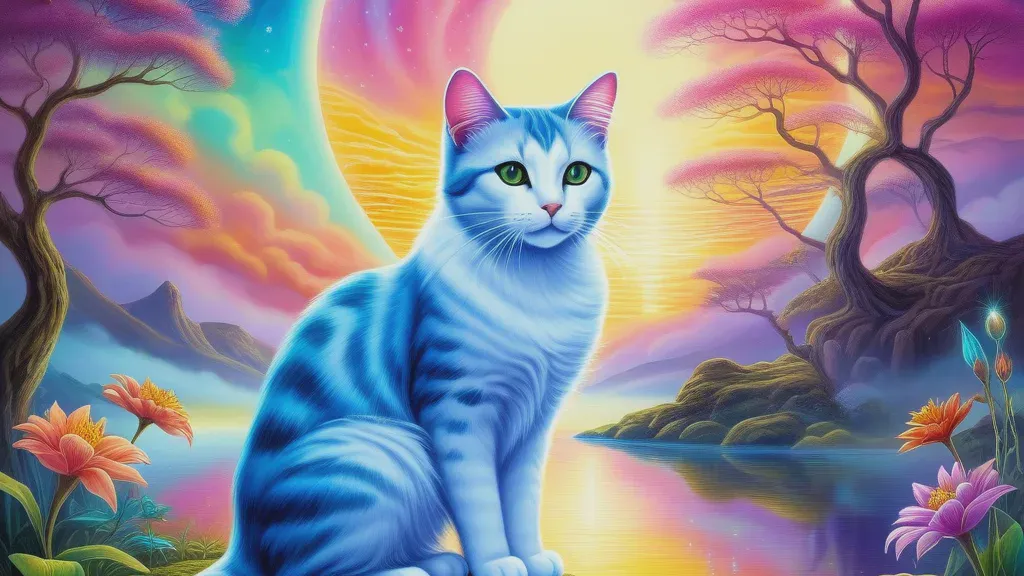
Cat
Jungian Archetypes
Meaning
Cats in dreams represent independence, intuition, and the mysterious aspects of the feminine psyche. They often appear during times when you need to trust your inner knowing or reclaim personal autonomy.
Psychological Interpretation
In Jungian analysis, cats frequently embody the Anima — the feminine aspect of the male psyche — or feminine intuition in general. A cat's independent nature reflects parts of yourself that resist domestication and demand freedom of expression.
Traditional Symbol Meaning
Across cultures, cats have long symbolized independence, mystery, and hidden knowledge. In ancient Egypt, cats were sacred to the goddess Bastet, representing feminine power, fertility, and protection. European folklore often cast cats as liminal creatures—neither fully wild nor fully domesticated—associated with witchcraft, magic, and access to hidden realms. In Asian traditions, cats embody grace, agility, and the ability to navigate between worlds. The cat's nocturnal vision and silent movement made it a symbol of intuition and the unseen. Its refusal to be fully possessed or controlled became a metaphor for the untamable aspects of nature and the psyche. Dreams of cats often signal the dreamer's own need to reclaim autonomy, trust their instincts, and embrace the mysterious, sensual dimensions of existence that rational culture often suppresses.
Contemporary Psychological
Contemporary neuroscience suggests that dreams featuring cats may reflect the brain's processing of autonomy, boundary-setting, and sensory awareness. Cats are highly attuned to their environment and responsive to subtle cues—the dream may indicate the dreamer's own heightened sensitivity or need to trust their perceptual instincts in waking life. The cat's independence and self-sufficiency can signal the brain working through themes of self-reliance, particularly if the dreamer is navigating a transition toward greater autonomy. The nocturnal, predatory nature of cats may also reflect threat-simulation: the brain rehearsing vigilance, quick reflexes, or the ability to move through uncertain territory with confidence. The dream serves an emotional regulation function, helping the dreamer integrate their own capacity for independence and intuitive knowing.
Gestalt / Parts of Self
In Gestalt dream work, the cat is a part of the dreamer's own psyche—the independent, sensual, intuitive self that may be disowned or projected outward. If the dreamer admires the cat, they are being invited to own their own grace, mystery, and refusal to be controlled. If the cat appears threatening or aloof, the dreamer may be encountering their own defended independence, the part that keeps others at a distance. The cat's nocturnal nature and keen perception represent the dreamer's capacity to see in darkness, to navigate uncertainty with confidence. The dream asks: What part of your own feline nature—your independence, your sensuality, your mystery—are you refusing to claim as your own?
Jungian / Archetypal
In Jungian psychology, the cat embodies the Shadow's grace and independence—the part of the psyche that refuses domestication and claims its own authority. Cats represent the feminine principle of intuition and the instinctual wisdom that operates beyond rational control. They are guardians of the threshold between the conscious and unconscious worlds, moving with ease through darkness and mystery. The cat's self-sufficiency and refusal to be fully possessed mirror the individuation journey: the dreamer is being called to trust their own instincts, reclaim their autonomy, and honor the wild, untamed aspects of their nature that civilization asks them to suppress.
Psychodynamic / Freudian
From a psychodynamic perspective, the cat often represents repressed or defended aspects of desire and autonomy. Cats are sensual, self-directed creatures that refuse to be fully controlled—qualities that may conflict with internalized rules about obedience, compliance, or self-sacrifice. The dream may express a latent wish for freedom and self-determination, disguised in the form of an animal that embodies these qualities without guilt. Alternatively, the cat can represent the mother figure or feminine authority—both nurturing and withholding, both seductive and dangerous. The dreamer's relationship to the cat in the dream (attraction, fear, indifference) reveals their unconscious stance toward their own desires and their internalized permissions to pursue them.
Cultural & Historical Origins
Ancient Egyptians revered cats as sacred to the goddess Bastet, protector of the home and symbol of grace. In Norse mythology, Freyja's chariot was pulled by cats. Japanese maneki-neko beckoning cats symbolize fortune and protection.
Contextual Variations
A black cat
Black cats often carry associations with mystery, the unknown, and sometimes danger or bad luck in Western folklore. In dreams, a black cat may represent the Shadow—the disowned, feared, or repressed aspects of the self. It can also symbolize protection, magic, and access to hidden knowledge. The dreamer's emotional response (fear vs. fascination) reveals whether they are encountering their own darkness with dread or curiosity.
A friendly, purring cat
A content, affectionate cat suggests integration and comfort with one's own independence and sensuality. The purring indicates satisfaction and self-sufficiency without isolation. This dream often appears when the dreamer is successfully balancing autonomy with connection, or when they are being invited to soften their defenses and allow themselves to be soothed and nurtured without losing their sense of self.
A cat scratching or attacking
An aggressive or defensive cat may represent the dreamer's own defended independence turned hostile, or a part of the self that feels threatened and is lashing out. It can also signal that the dreamer's autonomy or boundaries are being violated, and their instinctive response is to protect themselves. The dream may be asking: What or whom are you defending against? Where is your independence being threatened?
A stray or lost cat
A stray cat often symbolizes the dreamer's own sense of displacement, independence without belonging, or freedom without security. It may represent a part of the self that has been abandoned or cast out, or the dreamer's own wandering, unmoored state. The dream invites the question: What part of yourself feels homeless? Where do you need to find shelter or community while maintaining your independence?
Kittens
Kittens represent emerging independence, playfulness, and the early stages of autonomy. They suggest vulnerability alongside potential, innocence alongside instinct. Dreams of kittens often appear during periods of new growth, creative emergence, or the development of new capacities. They can also represent the dreamer's own inner child—the part that is learning to trust its instincts and claim its own power.
Frequently Asked Questions
What does a cat represent in dreams?
Is a black cat in a dream bad luck?
What does it mean to dream about kittens?
Journaling Prompts
- What part of your own independence or autonomy does the cat represent? Are you being invited to claim more of this quality in your waking life?
- How did you feel in the presence of the cat? Did you feel drawn to it, threatened by it, or indifferent? What does your emotional response reveal about your relationship to your own intuition and sensuality?
- In what ways are you like the cat in the dream—independent, mysterious, self-sufficient, or hard to pin down? What would it mean to embrace these qualities more fully?
Related Symbols
Dreamed about Cat?
Get a personalized AI interpretation that connects this symbol to your specific life circumstances.
Interpret My Dream