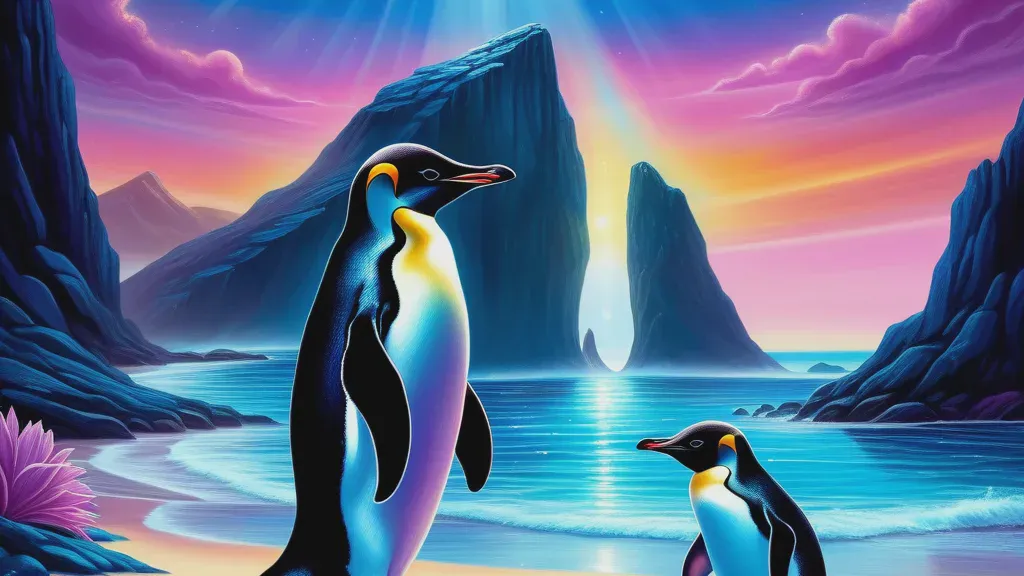
Fairy Penguin
Jungian Archetypes
Meaning
Dreaming of a fairy penguin may represent childlike wonder and playfulness. This symbol can reflect the psyche's need for joy and creativity while confronting the complexities of adult life.
Psychological Interpretation
Jungian analysis may connect this to the Trickster archetype, embodying spontaneity and humor. Cognitive psychology views it as a manifestation of the playful mind, while practical approaches emphasize its role in stress relief and imagination.
Cultural & Historical Origins
In Australian Aboriginal mythology, animals like the penguin are often seen as totems of community and adaptability. In contemporary storytelling, animated films like 'Happy Feet' depict penguins as symbols of individuality and resilience in a whimsical context.
Contextual Variations
A fairy penguin waddles up to you wearing tiny glowing wings, and it playfully steals your hat, then returns it with a note that says to stop taking yourself so seriously.
The fairy penguin blends childlike wonder with playful mischief, suggesting your psyche is inviting you to lighten your emotional load. The note implies a shift from self-criticism toward creativity and joy as a coping strategy.
You’re in an icy place with no warmth, and the fairy penguin guides you using lantern-like feathers, but it keeps leading you into silly detours that somehow solve problems.
This reflects resilience through play—using humor and imagination to navigate emotional coldness. The detours suggest that the route to relief may require less seriousness and more experimentation.
The fairy penguin hides behind shadows and then suddenly appears to make you laugh, but when you laugh, you feel guilty for being happy.
The shadow element here points to a belief that joy is unsafe or inappropriate. The dream may be working to re-train your emotional system: learning that happiness can coexist with grief or difficulty.
Frequently Asked Questions
Why did the penguin feel both cute and mischievous?
What does it mean if the fairy penguin made me laugh?
Why did I feel guilty after the playful moment?
Journaling Prompts
- What did the fairy penguin encourage you to do—steal, guide, hide, laugh—and which of those actions feels hardest for you now?
- Where do you associate joy with risk or guilt, and what might be the protective belief behind that association?
- If play could solve one real problem for you this week, what would you try first?
Related Symbols
Dreamed about Fairy Penguin?
Get a personalized AI interpretation that connects this symbol to your specific life circumstances.
Interpret My Dream