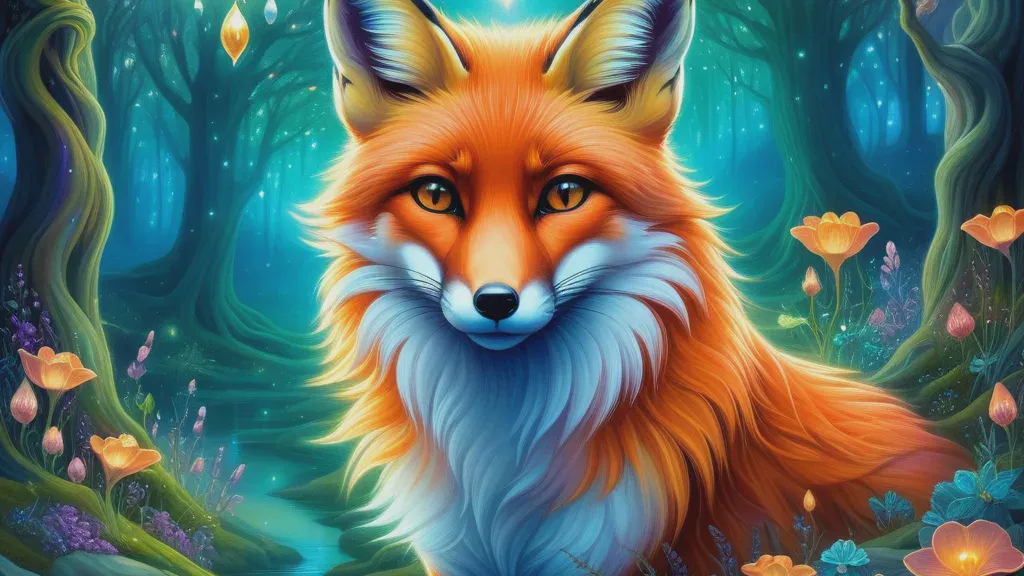
Fox
Jungian Archetypes
Meaning
Dreaming of a fox often symbolizes cunningness and adaptability, reflecting the psychological mechanisms of survival and resourcefulness. It suggests an exploration of one's strategic thinking in navigating life's challenges.
Psychological Interpretation
Cognitive psychology views the fox as a symbol of cleverness and problem-solving. Jungian interpretations associate it with the Anima, indicating a balance between intuition and intellect. Practically, it may suggest a need to trust one's instincts.
Traditional Symbol Meaning
The fox is a potent symbol in dream interpretation, rich with varying meanings across different cultures and historical contexts. In many Western traditions, the fox is often associated with cunning, trickery, and intelligence. This perception is deeply rooted in folklore, where the fox frequently appears as a clever and sometimes deceitful character. In dreams, seeing a fox might suggest that the dreamer needs to be wary of deceit or that they should employ cleverness in a tricky situation. The fox's elusive nature can also indicate a need to adapt and be resourceful in waking life. In contrast, Eastern traditions often view the fox with a more mystical lens. In Japanese culture, for example, the fox, or "kitsune," is considered a spiritual entity with the ability to shape-shift and is often seen as a messenger of the god Inari. Dreaming of a fox in this context might signify transformation, guidance, or divine intervention. The kitsune is also a symbol of fertility and prosperity, and dreaming of one could indicate an upcoming period of abundance or new beginnings. Indigenous cultures in North America have their own interpretations of the fox. Among many Native American tribes, the fox is seen as a wise and protective figure. It is believed to possess profound knowledge and is often associated with the ability to navigate both the physical and spiritual worlds. Dreaming of a fox in these traditions may suggest that the dreamer is being guided or protected by ancestral spirits or that they should trust their instincts and intuition. Throughout history, the fox's symbolism in dreams has been multifaceted, reflecting its complex role in human culture and mythology. While the specifics can vary, common themes of intelligence, adaptability, and transformation persist. Traditional wisdom suggests that when a fox appears in a dream, it may be urging the dreamer to embrace their cunning and resourcefulness, to be cautious of deception, or to prepare for a significant change or revelation in their life. Understanding these cross-cultural interpretations can provide valuable insights into the personal significance of dreaming about a fox.
Contemporary Psychological
In contemporary psychology, particularly from the perspective of neuroscience and emotional processing, the symbol of a fox in dreams often represents cunning, adaptability, and the need for strategic thinking. The fox is traditionally seen as a clever and resourceful animal, which can be indicative of how the dreamer is processing situations in their waking life. When a fox appears in dreams, it might suggest that the dreamer is currently navigating a situation that requires them to be astute and shrewd, perhaps involving interpersonal dynamics or complex problem-solving scenarios. From the standpoint of emotional processing, dreaming of a fox might highlight the dreamer's subconscious need to manage emotions with subtlety and tact. The fox's association with slyness can also point to feelings of mistrust or suspicion that the dreamer might be experiencing. This could be a reflection of their current emotional state, where they feel the need to be cautious and vigilant about the intentions of others. Such dreams might arise during times when the dreamer is dealing with deceit, either from external sources or internal conflicts, prompting them to rely on their intuition and emotional intelligence to navigate these challenges. In terms of memory consolidation, dreaming of a fox could be the brain's way of reinforcing memories related to situations that require strategic thinking and adaptability. The brain often uses dreams to process and store important information, and a fox in a dream might symbolize the need to remember lessons learned from past experiences where cunning and adaptability were crucial. This symbol could also serve as a reminder for the dreamer to apply these traits in future situations, reinforcing the neural pathways associated with strategic thinking and problem-solving. From a threat simulation perspective, the presence of a fox in a dream might indicate the dreamer's subconscious rehearsal of potential threats or challenges. The fox, being an animal that often operates on the fringes of danger and opportunity, can symbolize the dreamer's internal rehearsal of scenarios where they must outwit adversaries or navigate tricky situations. This can be a useful psychological exercise, as it prepares the dreamer to face real-life challenges with a heightened sense of awareness and preparedness. Understanding the appearance of a fox in dreams can offer the dreamer valuable insights into their current life circumstances, encouraging them to harness their cunning and adaptability to effectively manage their waking life challenges.
Gestalt / Parts of Self
In Gestalt Psychology, dreams are viewed as a reflection of the dreamer's inner world, with each element representing a part of the self. When a fox appears in a dream, it can symbolize aspects of cunning, adaptability, or cleverness within the dreamer. The fox, known for its sly and resourceful nature, may represent the dreamer's own ability to navigate complex situations with wit and intelligence. This symbol encourages the dreamer to recognize and integrate these qualities within themselves, suggesting that they possess the capacity to handle challenges with strategic thinking and adaptability. The fox in dreams can also signify a part of the self that is stealthy or elusive, possibly indicating areas of life where the dreamer feels the need to be more discreet or strategic. This projection of the fox might reveal a desire to outsmart obstacles or adversaries, reflecting the dreamer's inner dialogue about how to approach life's challenges. In some cases, it may also highlight feelings of mistrust or the need to be on guard, suggesting that the dreamer is projecting their own suspicions or wariness onto their environment. From a psychological perspective, encountering a fox in a dream can prompt the dreamer to explore their own instincts and intuitive capabilities. It suggests a need for the dreamer to own these attributes and consider how they can be applied to real-life situations. For instance, if the dreamer is facing a dilemma, the fox may be urging them to trust their gut feelings and employ their cunning to find creative solutions. This symbol serves as a reminder that the dreamer's resourcefulness is a valuable asset in navigating life's complexities. Ultimately, dreaming of a fox invites the dreamer to reflect on how they can integrate these qualities into their conscious life, fostering a sense of empowerment and self-awareness. By embracing the fox's attributes, the dreamer can gain confidence in their ability to adapt and thrive in various circumstances. This integration can lead to a more harmonious relationship with oneself, as the dreamer acknowledges and utilizes their full range of capabilities.
Jungian / Archetypal
In Jungian or Analytical Psychology, the fox in dreams is a potent symbol that often represents cunning, adaptability, and the trickster archetype. As an archetype, the trickster embodies the qualities of cleverness and resourcefulness, often challenging the status quo and provoking change through unexpected means. The fox, with its reputation for slyness and intelligence, serves as a mirror to the dreamer's own capacity for strategic thinking and adaptability in life's complex situations. This symbol can also suggest a need to pay attention to the subtler, more instinctual aspects of one's psyche that might be overlooked in favor of more rational or conventional approaches. The deeper psychological significance of the fox in dreams can be tied to themes of transformation and the reconciliation of opposites. The fox, as a creature that thrives in the liminal spaces between the wild and the domestic, symbolizes the integration of the conscious and unconscious parts of the mind. It invites the dreamer to explore the shadow aspects of their personality—traits or impulses that are often hidden or denied. By acknowledging and embracing these aspects, the dreamer can move towards greater self-awareness and individuation, a key process in Jungian psychology where one becomes more whole and authentic. Dreaming of a fox might indicate that the dreamer is facing a situation that requires cunning or a strategic approach. It could suggest that the dreamer needs to employ more flexibility and creativity in dealing with current life challenges. Alternatively, the presence of a fox in a dream might be a prompt to examine areas of life where one might be deceiving themselves or others, or where they might be underestimating their own cleverness and resourcefulness. This symbol encourages a balance between intellect and intuition, suggesting that the dreamer might benefit from trusting their instincts more. From a practical psychological standpoint, encountering a fox in a dream invites the dreamer to reflect on how they navigate the complexities and paradoxes of their life. It encourages an exploration of how they can harness their inner trickster to outwit obstacles and embrace change. The fox's presence is a reminder that adaptability and wit are powerful tools in the journey towards individuation. By integrating these qualities, the dreamer can enhance their ability to respond to life's unpredictability with grace and ingenuity.
Psychodynamic / Freudian
In the realm of psychodynamic psychology, a fox appearing in a dream can be a rich symbol of cunning, adaptability, and the sly aspects of the dreamer's psyche. The manifest content, or the literal storyline of the dream, might involve a fox in various scenarios, such as the dreamer encountering, observing, or even transforming into a fox. This manifest content serves as a surface layer that conceals the latent content or the underlying, unconscious wishes and desires that the dream represents. The fox, known for its cleverness and ability to navigate complex situations, could symbolize the dreamer's own need to be resourceful or to outsmart a challenging situation in their waking life. On a deeper psychological level, the fox might represent the dreamer's latent desires for freedom and independence. It can also embody the dreamer's wish to embrace their cunning side to achieve personal goals or to navigate interpersonal dynamics more effectively. This aligns with the concept of wish fulfillment, as the dream might be providing a safe space for the dreamer to explore these desires without the constraints of their conscious moral standards or societal expectations. Additionally, the fox could be a representation of a defense mechanism, such as rationalization or intellectualization, where the dreamer is subconsciously justifying or analyzing a situation in a way that aligns with their inner desires. Dreaming of a fox can also indicate an inner conflict or a need for the dreamer to confront their shadow side—the parts of themselves that they might not readily acknowledge or accept. The fox could be a projection of these hidden traits, suggesting that the dreamer is grappling with aspects of their personality that they find difficult to reconcile with their conscious self-image. This can be particularly relevant if the dreamer is facing a situation in their waking life that requires them to be more strategic or deceptive, perhaps in a work environment or in personal relationships. From a practical standpoint, interpreting the fox symbol in dreams can offer valuable insights into the dreamer's current life situation. It may encourage the dreamer to reflect on where they might need to be more adaptable or clever in their approach to problems. It might also prompt them to examine any areas where they feel the need to use deception or cunning, and whether these strategies are serving them well. By acknowledging these aspects of themselves, dreamers can work towards integrating their shadow traits, leading to a more balanced and authentic self-awareness.
Cultural & Historical Origins
In Western folklore, the fox is often depicted as a trickster, seen in tales like 'The Fox and the Grapes.' In Japanese culture, the fox (kitsune) is a messenger of the gods, symbolizing both intelligence and deceit, demonstrating its dual nature.
Contextual Variations
A fox appears near your workplace and leads you through shortcuts; you arrive early, but you notice you’re hiding your tracks.
The fox often symbolizes strategic adaptability and clever navigation of social or practical constraints. Hiding tracks suggests you may be using “smart” tactics to avoid consequences, and the dream asks whether your strategy is serving you or keeping you from being fully honest.
You hear a fox barking from inside a closet; when you open it, the fox is calm and offers you an idea that feels both risky and exciting.
A fox inside a hidden space can represent instincts you’ve suppressed—ideas or desires that don’t fit your usual rules. The calm delivery suggests the risk is manageable, inviting you to consider a creative or unconventional path.
The fox steals something small from you, then returns it with a note that says you can’t keep it the old way.
Taking and returning indicates disruption of an attachment or identity strategy. Psychologically, it points to a need to adjust: the “thing” may still be valuable, but the old method no longer works.
Frequently Asked Questions
Does a fox in a dream always mean deception?
Why did the fox guide me rather than attack me?
What should I pay attention to with a fox dream?
Journaling Prompts
- Where do I need strategy or improvisation right now, and what would a “fox-like” approach look like in a healthy way?
- What am I hiding or keeping unclear, and what fear does that protect me from?
- If the fox could give one piece of advice about my current situation, what would it likely be based on the dream’s actions?
Related Symbols
Dreamed about Fox?
Get a personalized AI interpretation that connects this symbol to your specific life circumstances.
Interpret My Dream