Desert
Jungian Archetypes
Meaning
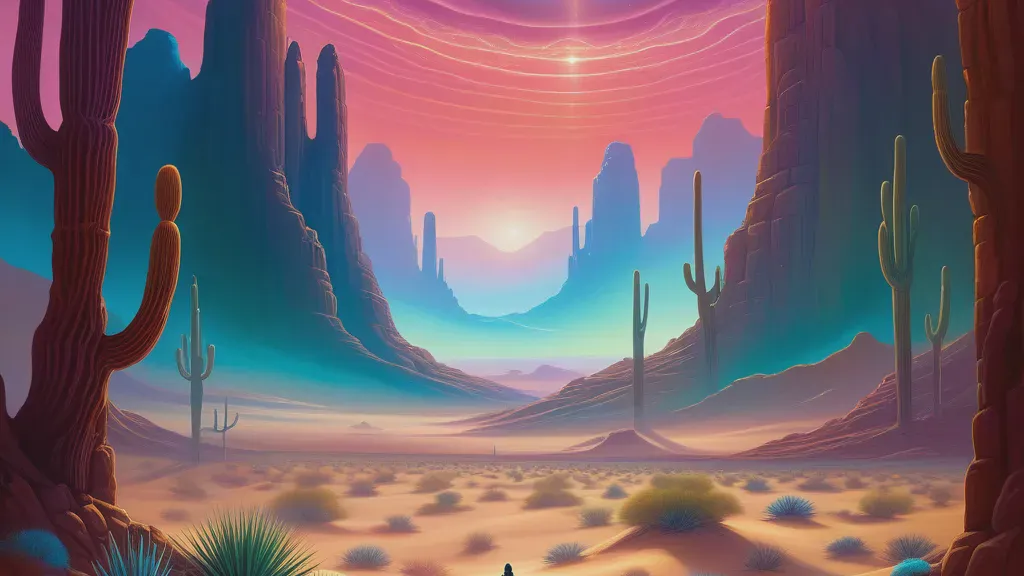
The desert represents desolation, spiritual testing, and the stripping away of illusions. It symbolizes isolation, inner emptiness, and the harsh conditions necessary for spiritual growth. In dreams, deserts often indicate a period of difficulty, introspection, or the need to confront what lies within.
Psychological Interpretation
In Jungian psychology, the desert embodies the Shadow archetype—the parts of ourselves we reject or deny—and the Threshold Guardian, representing the trials we must face to grow. The desert's barrenness forces us to confront our inner landscape without distraction. It represents the necessary death of the ego before rebirth.
Traditional Symbol Meaning
The desert, as a dream symbol, has been interpreted across various cultures and historical contexts, often embodying themes of isolation, transformation, and spiritual awakening. In Western traditions, the desert is frequently viewed as a barren landscape, representing feelings of emptiness or desolation. Dreaming of a desert can indicate a period of personal drought, where one may feel disconnected from their emotions or creativity. This interpretation aligns with the notion that the desert, while harsh, can also be a place for introspection and self-discovery, allowing individuals to confront their inner challenges. In Eastern cultures, particularly within the context of Buddhism and Hinduism, the desert may symbolize a journey toward enlightenment. The vastness of the desert landscape can represent the mind's potential for clarity and insight, suggesting that navigating through the arid terrain of one's thoughts can lead to spiritual growth. Indigenous cultures often view the desert as a sacred space, filled with wisdom and ancient knowledge. For instance, Native American traditions frequently associate the desert with resilience and survival, recognizing it as a place where one can learn to adapt and thrive despite harsh conditions. Historically, dream interpretations involving the desert have evolved, reflecting societal changes and spiritual beliefs. In ancient Egyptian culture, the desert was often seen as a barrier between the living and the afterlife. Dreams of the desert could signify a transition or a call to reflect on one's mortality and the spiritual journey beyond this life. Similarly, in Islamic traditions, the desert is a significant motif in many stories, symbolizing both trials and the potential for divine guidance, as seen in the tales of prophets who wandered through desert landscapes seeking revelation. Traditional wisdom suggests that dreaming of a desert may prompt the dreamer to evaluate their current life situation. It may serve as a reminder to seek balance, reconnect with one’s inner self, or embrace solitude as a means to foster personal growth. While the meanings can vary widely across cultures, the underlying themes of transformation and self-exploration remain prevalent, encouraging individuals to view their desert dreams as opportunities for profound personal insight and renewal.
Contemporary Psychological
Dreaming of a desert often symbolizes a vast emotional landscape characterized by feelings of isolation, emptiness, or desolation. From a contemporary psychological perspective, particularly through the lens of neuroscience and emotional processing, such dreams may reflect the dreamer’s current emotional state or subconscious struggles. The arid environment of a desert can signify a lack of emotional nourishment or support, suggesting that the dreamer may be experiencing a period of emotional drought in their waking life. This imagery may emerge when the brain is processing feelings of loneliness or abandonment, allowing the individual to confront these emotions in a safe, dream-based environment. The desert can also serve as a backdrop for memory consolidation, where the brain sorts through experiences and emotions. In this context, dreaming of a desert might indicate a need to process past traumas or unresolved issues that have left the dreamer feeling barren or unfulfilled. The starkness of the desert landscape can represent a clearing of the mind, urging the dreamer to confront difficult memories or feelings that they may have been avoiding. By facing these emotional challenges in the dream state, the brain is engaging in a form of threat simulation, where the individual rehearses coping mechanisms for real-life situations that evoke similar feelings of vulnerability or fear. Furthermore, the desert setting may reflect common themes of survival and resilience. In dreams, navigating a desert can symbolize the journey through hardship and the quest for personal growth. This aspect of the dream may indicate that the dreamer is at a crossroads in their life, facing challenges that require introspection and self-discovery. The emptiness of the desert might suggest a need for the dreamer to reconnect with their inner self, to explore their desires, fears, and motivations. Such dreams can encourage individuals to seek out new experiences or relationships that can fill the emotional void they may be experiencing. Practical insights from dreaming about a desert include the importance of self-reflection and emotional awareness. Recognizing the feelings of isolation or emptiness represented by the desert can motivate the dreamer to seek support from others or to engage in activities that promote emotional fulfillment. This dream can serve as a reminder to cultivate a sense of connection with oneself and with others, emphasizing the need to nurture emotional health. By understanding the deeper psychological significance of the desert in their dreams, individuals can harness these insights to foster personal growth and navigate their waking lives with greater resilience.
Gestalt / Parts of Self
In the realm of Gestalt Psychology, dreams are viewed as a reflection of the self, where each element symbolizes different aspects of the dreamer's psyche. When a dream features a desert, it often represents feelings of emptiness, isolation, or a sense of being lost. The arid landscape can symbolize parts of oneself that feel barren or neglected, highlighting areas in life where emotional growth or fulfillment may be lacking. The desert may serve as a projection of the dreamer’s internal state, illustrating a longing for exploration or a desire to confront feelings of desolation that are present in their waking life. From a psychological perspective, the desert can also signify a journey towards self-discovery and integration. Just as a desert is often seen as a harsh and unforgiving environment, it can reflect the challenges one faces in their inner world. This dream symbol can indicate that the dreamer is in a phase of life where they are grappling with their own limitations or fears. The vast, open space of the desert may encourage the dreamer to confront these feelings directly, fostering a deeper understanding of their own emotional landscape. It invites the dreamer to acknowledge and integrate these neglected aspects of themselves, promoting personal growth and self-ownership. Moreover, dreaming of a desert might signal a need for solitude or introspection. The isolation inherent in a desert setting can represent a desire for a break from the chaos of daily life, providing an opportunity for the dreamer to reflect on their priorities and values. This dream may suggest that the dreamer is feeling overwhelmed and needs time to recharge and reconnect with their inner self. It can serve as a reminder to take ownership of one’s emotional needs and to seek out the personal space necessary for healing and growth. In practical terms, if you find yourself dreaming of a desert, consider what aspects of your life feel arid or unfulfilled. Reflect on whether there are parts of yourself that you have neglected or emotions you have been avoiding. This dream may be an invitation to explore these feelings, encouraging you to embrace the journey of self-discovery. Engaging in self-reflection, journaling, or seeking support can help you navigate this landscape, leading to greater integration and acceptance of your whole self. By acknowledging the desert within, you may find the path to emotional richness and fulfillment.
Jungian / Archetypal
In Jungian and Analytical Psychology, the desert is a powerful symbol that often represents a journey into the self, a place of introspection, and a confrontation with the unconscious. The desert's vast, barren landscape can signify feelings of isolation, emptiness, or desolation, reflecting the dreamer's emotional state or life circumstances. This symbol may also represent the archetype of the "wasteland," a space where one must face the shadow—the parts of the psyche that are repressed or unacknowledged. In this context, the desert serves as a metaphorical landscape for inner exploration and transformation. Dreaming of a desert can evoke themes of survival, resilience, and the search for meaning. The harsh conditions of the desert compel the dreamer to confront their limitations and the aspects of themselves that may have been neglected. This confrontation is essential for individuation, the process of integrating various parts of the self to achieve wholeness. In this sense, the desert is not merely a place of despair; it can also symbolize a necessary phase of personal growth where the dreamer is called to shed old identities and beliefs that no longer serve them. Furthermore, the desert can reflect a transitional phase in the dreamer's life, possibly indicating a period of solitude or a need for reflection. It may suggest that the dreamer is feeling disconnected from their surroundings or is undergoing a significant life change that requires deep contemplation. This dream could be prompting the individual to explore their inner landscape, encouraging them to embrace the discomfort of solitude as an opportunity for self-discovery and healing. From a practical psychological perspective, encountering a desert in dreams invites the dreamer to examine their inner world and consider what aspects of themselves they may be avoiding. It serves as a reminder that while the journey may feel daunting, the arid terrain can lead to personal insights and revelations. Engaging with this symbol can encourage individuals to embrace their shadow, confront their fears, and seek a deeper understanding of their true selves, ultimately guiding them toward a more integrated and fulfilling existence.
Psychodynamic / Freudian
In psychodynamic psychology, the symbol of a desert in dreams can represent a vast array of underlying emotions and psychological states. On the surface, the manifest content of a desert may evoke feelings of isolation, barrenness, or desolation. These elements can signal a sense of emotional emptiness or a longing for connection. However, when delving deeper into the latent content, the desert often symbolizes a psychological landscape where the dreamer confronts their inner conflicts, desires, and unfulfilled wishes. This stark environment can mirror the dreamer's feelings of being lost or disconnected from their own desires and aspirations. The desert may also serve as a representation of defense mechanisms at play within the dreamer's psyche. For instance, if someone is experiencing significant stress or emotional turmoil in their waking life, dreaming of a desert could signify their attempt to retreat into a mental space where they can avoid confronting these issues. This withdrawal can be a form of avoidance, where the dreamer seeks to shield themselves from painful realities or unresolved conflicts. In this context, the desert becomes a refuge, albeit an arid and lonely one, suggesting a need for introspection and self-discovery rather than a complete escape from reality. Moreover, the themes associated with dreaming of a desert often reflect the dreamer's current life situation. If the dreamer is facing challenges such as a lack of support, feelings of abandonment, or a sense of stagnation, the desert might symbolize their emotional landscape. It could indicate a period of transition where the dreamer feels parched for emotional nourishment or inspiration. This dream may encourage the individual to explore their feelings of isolation and seek ways to reconnect with their inner self or others, highlighting a need for emotional fulfillment and growth. Practical insights from this interpretation suggest that individuals who dream of deserts should take time to reflect on their current emotional state and life circumstances. Engaging in self-reflection or journaling can help uncover hidden desires and the underlying reasons for feelings of desolation. Additionally, recognizing the defense mechanisms at play can empower the dreamer to confront their fears and challenges more directly. Ultimately, the desert in dreams can serve as a powerful catalyst for personal transformation, urging the dreamer to navigate their inner landscape and seek the emotional nourishment they may be lacking.
Cultural & Historical Origins
In many spiritual traditions, the desert is a place of pilgrimage and enlightenment. Jesus, Buddha, and Muhammad all spent time in the desert for spiritual transformation. Indigenous peoples of desert regions view the desert as a sacred teacher, revealing truth through hardship and survival.
Contextual Variations
Lost in the desert
Feeling lost in life, spiritual confusion, or the need to find your inner compass and direction
Finding water or oasis in the desert
Discovery of inner resources, spiritual renewal, or finding hope and sustenance in difficult times
Frequently Asked Questions
Is dreaming of a desert always negative?
What does it mean to cross a desert in a dream?
Journaling Prompts
- What inner wilderness or emptiness am I being called to explore and understand?
- What spiritual testing or trial is this desert representing in my life?
Related Symbols
Dreamed about Desert?
Get a personalized AI interpretation that connects this symbol to your specific life circumstances.
Interpret My Dream