Island
Jungian Archetypes
Meaning
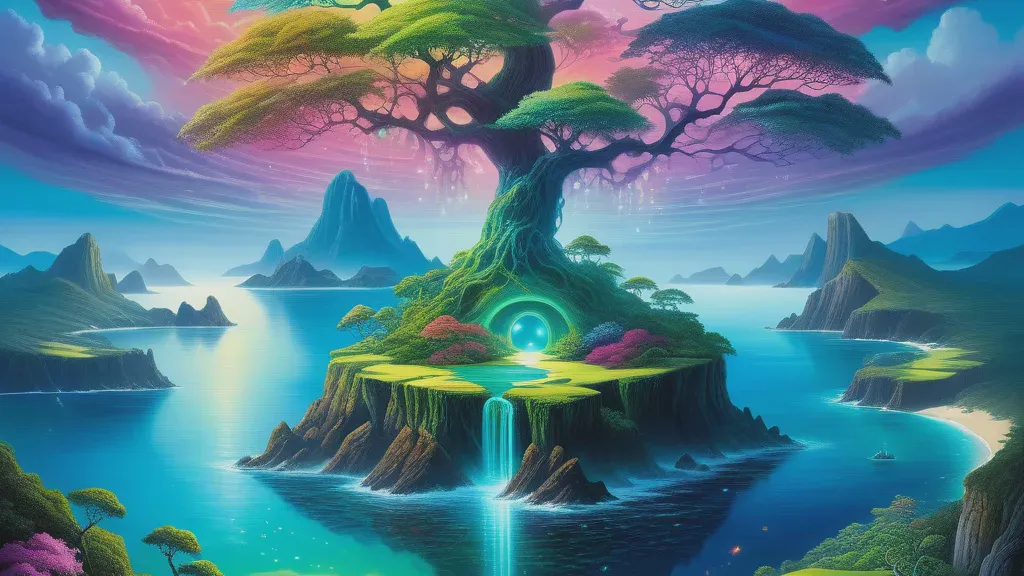
Islands represent isolation, independence, and the Self as a complete, autonomous entity. They symbolize sanctuary, refuge from the world, and the need for solitude to discover one's true nature. Islands can also represent feeling cut off or separated from others.
Psychological Interpretation
In Jungian terms, islands embody the Self archetype—the unified, whole center of the psyche. An island surrounded by water represents the conscious mind (island) separated from the unconscious (ocean). The Persona archetype also appears here, as islands can reflect how we present ourselves to the world while maintaining inner boundaries and autonomy.
Traditional Symbol Meaning
The dream symbol of an "island" has rich historical and cultural interpretations that vary significantly across different societies. In many Western traditions, an island often represents solitude, introspection, and a yearning for peace or escape from the chaos of daily life. This symbolism is rooted in the idea that islands are isolated landforms surrounded by water, suggesting a retreat from the external world. Historically, islands have been seen as safe havens, places where one can connect with inner thoughts and emotions, making them a potent symbol in dream analysis. In this context, dreaming of an island may indicate a need for self-reflection or a desire to distance oneself from overwhelming responsibilities. In Eastern cultures, particularly within some indigenous traditions, islands can symbolize spiritual enlightenment and growth. For instance, in certain Polynesian beliefs, islands are not only physical spaces but also spiritual realms that hold ancestral significance. Dreaming of an island in these cultures may signify a journey toward personal development or a call to reconnect with one's roots and heritage. The island can represent a sacred space where individuals can commune with their ancestors or draw upon their cultural wisdom, highlighting the importance of community and continuity in one's spiritual journey. Throughout history, dream interpretations of islands have often emphasized themes of transition and transformation. In the context of Jungian psychology, for example, an island may symbolize the unconscious mind, representing parts of the self that are isolated or not fully integrated into conscious awareness. This notion aligns with the idea that islands can serve as metaphors for aspects of the psyche that require exploration and understanding. Traditional wisdom suggests that dreaming of an island can be an invitation to explore one's inner landscape, confront unresolved issues, or embrace the potential for personal change. Cultural variations in the meaning of islands in dreams can also be observed. In some African traditions, for instance, islands may be associated with fertility and abundance, reflecting the lush landscapes often found in island ecosystems. Conversely, in certain European folklore, islands may symbolize danger or the unknown, representing fears of isolation or being cut off from society. Overall, the dream symbol of an island encapsulates a diverse range of meanings, reflecting the complex interplay between cultural beliefs, historical contexts, and individual psychological experiences.
Contemporary Psychological
Dreaming of an island can evoke a variety of interpretations through the lens of contemporary psychology, particularly when considering aspects of neuroscience, emotional processing, memory consolidation, and threat simulation. An island in a dream often symbolizes isolation, refuge, or a sense of being cut off from the outside world. This symbolism can reflect the dreamer’s current emotional state, suggesting a desire for solitude or a need to retreat from overwhelming external pressures. Neuroscientifically, dreams serve as a platform for the brain to process emotions and experiences, and an island may represent a mental space where one feels safe to explore personal thoughts and feelings away from societal expectations. From a psychological perspective, islands can also signify the consolidation of memories and emotions. When individuals are confronted with significant life changes or stressors, their brains engage in a process of emotional regulation, which can manifest in dreams as a desire to escape to a serene, isolated environment. This dream imagery may indicate that the dreamer is working through unresolved feelings or past experiences, allowing their mind to create a safe space for reflection. In this context, the island becomes a metaphor for the internal journey of self-discovery, where the dreamer is encouraged to confront their emotions and integrate them into their overall narrative. Additionally, dreaming of an island may highlight feelings of vulnerability or a perceived threat in the dreamer's waking life. The isolation that an island represents can signal a fear of abandonment or the sense of being disconnected from others. This aligns with the threat simulation theory, which posits that dreams prepare individuals for potential challenges or dangers. The dreamer may be subconsciously processing fears related to relationships, career pressures, or personal challenges, using the island as a symbolic representation of their emotional landscape. Recognizing this can help the dreamer address these underlying concerns and seek support or connection in their waking life. To gain practical insights from dreaming about an island, individuals can reflect on their current emotional state and consider what aspects of their life may feel isolating or overwhelming. Journaling about the dream can facilitate a deeper understanding of the emotions tied to the island imagery, encouraging the dreamer to explore their need for solitude versus connection. Engaging in mindfulness practices or seeking social support can also help balance feelings of isolation, fostering a more integrated approach to emotional well-being. Ultimately, dreams of islands invite introspection and self-awareness, guiding individuals toward a healthier relationship with their inner world.
Gestalt / Parts of Self
In Gestalt psychology, dreams are seen as a reflection of the self, where each element within the dream symbolizes different aspects of the dreamer's personality and inner world. An "island" in a dream often represents a part of the self that feels isolated or separated from the rest of one's life. This symbol can signify a need for solitude, self-reflection, or a desire to disconnect from external pressures. The island may embody feelings of safety and peace, but it can also highlight an underlying sense of loneliness or disconnection from others, suggesting that the dreamer is grappling with aspects of themselves that they have not fully integrated or acknowledged. The deeper psychological significance of an island in dreams can often revolve around themes of ownership and integration. When a dreamer envisions themselves on an island, it may indicate that they are in a phase of self-discovery, exploring parts of their identity that have been neglected or overlooked. This could reflect a need to claim these aspects of themselves, whether they are positive traits, unacknowledged fears, or buried desires. The island serves as a metaphorical space where the dreamer can confront these elements, facilitating a process of integration where they can bring the isolated parts back into their broader self-concept. Dreaming of an island may also indicate the dreamer's current life situation, particularly if they feel overwhelmed or pressured by external demands. The island can symbolize a retreat from the chaos of daily life, suggesting that the dreamer is seeking refuge or a break from responsibilities. It may point to a need for emotional or psychological distance from relationships or situations that feel draining. In this context, the dream can serve as a reminder to prioritize self-care and to recognize the importance of taking time for oneself to recharge and reflect. For practical psychological insights, individuals who dream of islands can benefit from engaging in self-reflective practices, such as journaling or meditation, to explore the feelings of isolation or the desire for solitude that the island represents. Understanding that the island is not just a place of escape, but also a space for personal growth, can encourage dreamers to embrace their solitude as a valuable opportunity for introspection. By recognizing and owning the parts of themselves that the island symbolizes, they can work towards greater integration and wholeness in their waking lives, ultimately fostering a healthier relationship with themselves and their surroundings.
Jungian / Archetypal
In Jungian psychology, the symbol of an island in dreams often represents a state of isolation or separation from the collective unconscious. An island can be seen as a microcosm of the self, embodying the dreamer's inner world and personal journey towards individuation. It signifies a place where one may confront their shadow—the hidden, repressed aspects of the psyche that are often overlooked in the hustle of everyday life. The island may serve as a sanctuary for introspection, inviting the dreamer to explore their deeper emotions and unresolved conflicts away from the distractions of the external world. The deeper psychological significance of an island in dreams can also relate to themes of self-discovery and emotional distance. It may symbolize a longing for solitude, a need to retreat from societal pressures, or a desire for clarity in one's thoughts and feelings. Alternatively, it could reflect feelings of loneliness or abandonment, prompting the dreamer to examine their relationships and social connections. This duality highlights the complexity of the human experience: while an island can represent a safe haven for personal growth, it can also evoke feelings of isolation and separation from others. Dreaming of an island may indicate that the dreamer is at a crossroads in their life, seeking to balance their individual needs with their connections to others. This dream could suggest that the dreamer is in a phase of introspection, where they are encouraged to confront their inner conflicts and integrate their shadow self. Such a dream might also point to a need for self-care and reflection, signaling that the dreamer should take time to nurture their mental and emotional well-being. The island serves as a reminder that personal growth often requires periods of solitude and self-examination. To gain practical insights from this dream symbol, individuals can reflect on their current life situation and emotional state. Are they feeling overwhelmed by external demands, prompting a desire to retreat? Or are they grappling with feelings of loneliness that may need addressing? Engaging in journaling or creative expression can help clarify these feelings. Additionally, exploring the qualities of the island—such as its size, landscape, and inhabitants—can provide further clues about the dreamer's inner landscape and the aspects of themselves that require attention or integration. Ultimately, the island in dreams serves as a powerful symbol of both the journey towards individuation and the necessity of confronting one's inner depths.
Psychodynamic / Freudian
In psychodynamic psychology, the symbol of an "island" in dreams can represent both a physical and psychological state of isolation or separation. On the manifest level, the island may simply appear as a remote landmass surrounded by water, suggesting a desire for solitude or a retreat from the chaos of everyday life. However, delving into the latent content reveals deeper meanings. An island can signify a longing for self-discovery, a safe haven from external pressures, or even a place for introspection, reflecting the dreamer's need to explore their inner world away from societal expectations. The psychological significance of dreaming about an island often ties into themes of defense mechanisms and wish fulfillment. For instance, if the dreamer feels overwhelmed by responsibilities or relationships, the island may symbolize a wish to escape and find peace. This desire for retreat can indicate an unconscious defense mechanism at play, where the mind seeks refuge from stressors. Conversely, if the island appears desolate or unwelcoming, it may reflect feelings of loneliness or abandonment, highlighting a struggle with emotional connections in waking life. The dreamer might be grappling with unresolved issues that lead to a sense of isolation, prompting them to confront their fears and desires. Dreaming of an island can also indicate a transitional phase in the dreamer's life. It may suggest that they are at a crossroads, needing to make important decisions that could lead to personal growth or change. This symbol might encourage the dreamer to reflect on their current life situation and assess whether they feel trapped or liberated. The island can serve as a metaphor for the dreamer’s emotional landscape, prompting them to evaluate their relationships, work-life balance, and overall sense of fulfillment. For practical psychological insights, individuals who frequently dream of islands might benefit from engaging in self-reflection or journaling to explore their feelings of isolation or desire for freedom. Understanding the underlying motivations for these dreams can help the dreamer identify areas in their life that require attention or change. By acknowledging these inner conflicts, the dreamer can work towards integrating their desires with their reality, leading to a more balanced and fulfilling existence.
Cultural & Historical Origins
Islands hold mythological significance across cultures: in Greek mythology, islands like Circe's home and the Isle of Avalon in Arthurian legend represent magical transformation and spiritual initiation. Polynesian cultures view islands as sacred ancestral homes, while Buddhist and Hindu traditions use island imagery to represent enlightenment and the Self as an island of stability amid life's turbulent waters.
Contextual Variations
Being stranded on an island
Feeling isolated, cut off from support systems, or needing to rely on your own resources and inner strength
A beautiful, peaceful island
Finding sanctuary, achieving inner peace, or discovering your authentic self away from external pressures
Frequently Asked Questions
What does an island dream mean?
Is being stranded on an island always bad?
Journaling Prompts
- What parts of yourself do you keep hidden from the world?
- How do you balance your need for independence with your desire for connection?
Related Symbols
Dreamed about Island?
Get a personalized AI interpretation that connects this symbol to your specific life circumstances.
Interpret My Dream