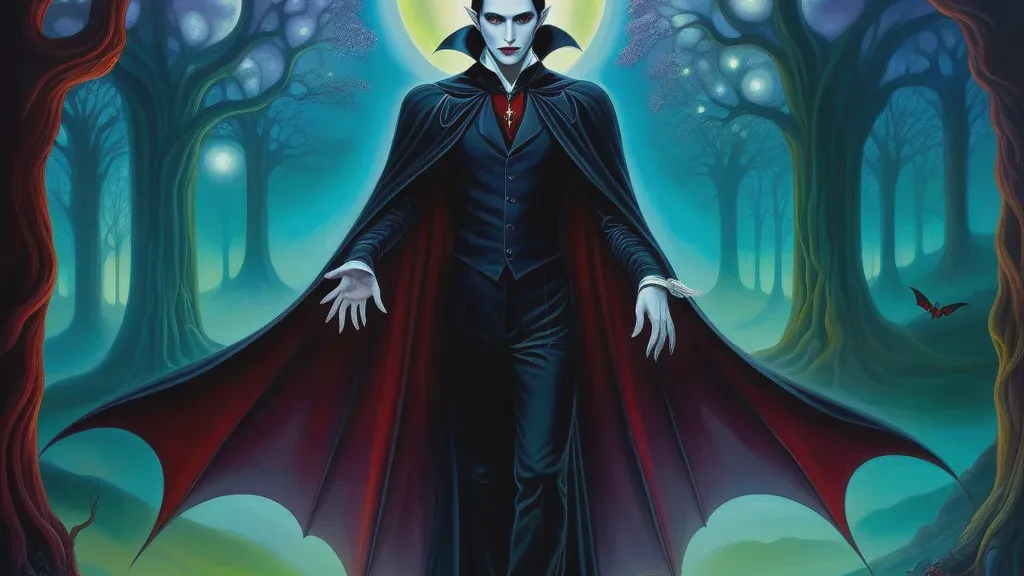
Vampire
Jungian Archetypes
Meaning
Vampires in dreams symbolize energy depletion, parasitic relationships, or seductive danger that drains your vitality. They represent forbidden desires, sensuality, and the allure of destructive temptation. These creatures embody the shadow aspects of attraction and power that seduce us into self-harm.
Psychological Interpretation
Jungian analysis views vampires as manifestations of the Shadow and Anima/Animus—representing repressed sexuality, predatory instincts, or the seductive power of the opposite-sex archetype. They symbolize the danger of being consumed by another's needs or desires, or conversely, consuming others emotionally. The vampire invites integration of your own power and sexuality.
Traditional Symbol Meaning
The symbol of the vampire in dreams has a rich tapestry of interpretations across various cultures and historical contexts. Traditionally, vampires are often seen as representations of fear, loss of control, and the darker aspects of human nature. In Western cultures, particularly influenced by Gothic literature and folklore, vampires are typically associated with seduction, immortality, and the fear of death. Dreaming of a vampire may indicate feelings of being drained or exploited in waking life, reflecting a situation or relationship that is consuming one's energy or vitality. This aligns with the broader theme of the vampire as a symbol of parasitism, where the dreamer may feel overwhelmed by external pressures or toxic influences. In Eastern traditions, particularly within Chinese folklore, the concept of a vampire diverges significantly from the Western archetype. The Jiangshi, or "hopping vampire," is a reanimated corpse that is believed to absorb life force from the living. Dreams of such entities may signify a need for spiritual cleansing or a warning about negative energies in one's life. Indigenous cultures often interpret vampire-like figures as manifestations of ancestral spirits or unresolved issues that seek acknowledgment. These interpretations emphasize the importance of confronting inner fears or family legacies that may be draining one's emotional resources. Historically, the vampire symbol has evolved through literature and media, reflecting societal anxieties and desires. The rise of the vampire in popular culture during the 19th century, particularly with Bram Stoker's "Dracula," solidified its place as a symbol of forbidden desire and the duality of human nature. In dream interpretation, encountering a vampire can symbolize a struggle between one’s primal instincts and societal expectations. Traditional wisdom often suggests that such dreams prompt introspection, urging the dreamer to explore their own fears, desires, and the darker aspects of their psyche. Cultural variations in the interpretation of the vampire symbol highlight the universal themes of fear and transformation present in dreams. In some cultures, vampires are seen as protectors of wisdom, embodying the idea that confronting one’s fears can lead to personal growth and empowerment. In contrast, other traditions may view them as omens of misfortune or illness. Ultimately, the dream of a vampire serves as a powerful reminder of the complexities of our inner worlds and the necessity of facing the shadows that lurk within.
Contemporary Psychological
Dreaming of vampires often taps into deep-seated fears and anxieties, serving as a powerful symbol within the framework of contemporary psychology. From a neuroscience perspective, such dreams may activate the brain's threat detection systems, triggering emotional responses associated with fear, vulnerability, and loss of control. Vampires, as archetypal figures that embody predation and immortality, can represent aspects of our psyche that feel threatened or overwhelmed, highlighting feelings of being drained or exploited in waking life. These dreams might indicate unresolved conflicts or stressors that the dreamer is grappling with, suggesting a need for emotional processing and resolution. The psychological significance of vampires in dreams often revolves around themes of power dynamics and personal boundaries. They can symbolize relationships in which the dreamer feels emotionally depleted or manipulated, akin to a parasitic relationship where one party benefits at the expense of the other. This interpretation aligns with the concept of emotional processing, where the dream serves as a scenario to examine feelings of powerlessness or resentment. The presence of a vampire in a dream may signal the dreamer's subconscious desire to reclaim personal power or to confront situations in their life that feel draining or toxic. Moreover, dreams involving vampires can also relate to memory consolidation processes. They may represent past traumas or experiences that are being reprocessed during sleep. The nocturnal imagery of a vampire can serve as a metaphor for repressed emotions or unresolved issues that resurface in the dream state, prompting the dreamer to confront their fears. This aspect of dreaming is crucial for emotional healing, as it allows individuals to integrate these experiences into their conscious awareness, facilitating personal growth and resilience. For those who encounter vampires in their dreams, it can be helpful to reflect on current life situations that evoke feelings of being overwhelmed or taken advantage of. Journaling about these dreams and the emotions they elicit can foster greater self-awareness and provide insight into personal boundaries. Engaging in mindfulness practices may also help in processing these feelings, allowing the dreamer to cultivate a sense of empowerment and agency in their waking life. Ultimately, dreams of vampires can serve as a catalyst for introspection, encouraging individuals to confront their fears and reclaim their emotional well-being.
Gestalt / Parts of Self
In Gestalt psychology, dreams are seen as a reflection of the self, where each element represents different aspects of the dreamer's psyche. The symbol of a vampire in dreams can be interpreted as a projection of the dreamer's feelings of being drained, overpowered, or manipulated in their waking life. Vampires often embody themes of control, dependency, and the fear of losing one's vitality or autonomy. This symbol invites the dreamer to explore the parts of themselves that may feel vulnerable or exploited, urging them to recognize and integrate these feelings into their conscious awareness. The deeper psychological significance of dreaming about a vampire often relates to the dreamer's relationships and emotional boundaries. It may signify a fear of emotional or physical intimacy, where the dreamer feels that others are taking more from them than they are willing to give. This can reflect a situation in the dreamer's life where they feel their energy is being siphoned away, whether through toxic relationships, work pressures, or personal insecurities. By recognizing the vampire as a part of themselves, the dreamer can begin to acknowledge these feelings of depletion and work towards reclaiming their energy and sense of self. Moreover, encountering a vampire in a dream can highlight themes of transformation and the shadow self—those parts of the personality that are often hidden or repressed. The vampire, as a creature of the night, represents the darker aspects of the psyche that may need attention and integration. This dream may serve as a call to confront and own these hidden feelings, allowing the dreamer to embrace a more holistic view of themselves. By doing so, they can cultivate a sense of empowerment and resilience, ultimately leading to personal growth and healthier relationships. To derive practical insights from this dream symbol, readers can reflect on their current life situations and relationships. Are there areas where they feel drained or manipulated? Are there aspects of themselves they have been avoiding or denying? Keeping a dream journal can help track these themes and facilitate a deeper understanding of one's inner world. By engaging with the vampire symbol, dreamers can begin the process of integration, transforming feelings of fear and depletion into empowerment and self-ownership.
Jungian / Archetypal
In Jungian and Analytical Psychology, the symbol of a vampire in dreams often represents the shadow aspect of the self, which encompasses the repressed, hidden, or denied parts of our psyche. Vampires, as archetypal figures, embody the fears and desires that we may not fully acknowledge or accept in our waking lives. They can symbolize the draining or consuming nature of certain relationships, emotions, or situations that may be sapping our energy and vitality. This dream symbol invites the dreamer to confront these hidden aspects and recognize how they may be influencing their behavior and emotional health. The deeper psychological significance of dreaming about vampires often relates to themes of power, control, and dependency. A vampire's need to feed on others can reflect feelings of being used or manipulated in real life, or it may symbolize the dreamer’s own tendencies to exploit or dominate others. This duality highlights the complexity of human relationships and the balance between giving and receiving. When a vampire appears in a dream, it may indicate that the dreamer is grappling with issues of autonomy and the need to reclaim personal power, suggesting that they may be in a situation where they feel drained or overextended. Moreover, encountering a vampire in dreams can serve as a catalyst for individuation, the process of integrating various aspects of the self to achieve wholeness. This dream may signal a call to acknowledge and integrate the darker parts of one's personality, which can lead to greater self-awareness and personal growth. The dreamer might be encouraged to explore feelings of fear, anger, or desire that have been suppressed, allowing for a more authentic expression of the self. Recognizing these elements can be a vital step towards healing and empowerment. For practical psychological insights, individuals who dream of vampires are encouraged to reflect on their current life situations and relationships. Are there dynamics that feel draining or toxic? Are there aspects of their personality that they are avoiding or denying? By engaging in self-reflection and possibly journaling about their feelings, dreams, and experiences, the dreamer can begin to illuminate the shadow aspects represented by the vampire. This process not only fosters deeper understanding but also paves the way for healthier relationships and a more integrated self.
Psychodynamic / Freudian
In the realm of psychodynamic psychology, the symbol of a vampire in dreams can represent a complex interplay between manifest and latent content. On the surface, a vampire may simply evoke feelings of fear or intrigue, reflecting the dreamer's immediate thoughts or experiences. However, delving into the latent content reveals deeper psychological meanings. Vampires often symbolize repressed desires or fears that are not easily acknowledged in waking life. They can embody the parts of ourselves that we find threatening or shameful, suggesting a struggle with aspects of our identity or unresolved conflicts. Common themes associated with vampire imagery include power dynamics, dependency, and the fear of loss. A vampire's need to consume life force can mirror the dreamer's anxiety about relationships that feel draining or toxic. This could indicate a desire to escape from a situation or a person who is perceived as manipulative or controlling. Alternatively, the vampire may represent a part of the dreamer that craves intensity or passion, highlighting a wish fulfillment aspect where the unconscious seeks to express desires that are suppressed in daily life. Such dreams might surface during times of emotional turmoil or significant life transitions, revealing the dreamer's internal struggles with autonomy and self-assertion. Dreaming of vampires may also point to various defense mechanisms at play. For instance, if the dreamer feels victimized by a vampire, it could signify the projection of inner fears onto external figures, illustrating a reluctance to confront personal vulnerabilities. Conversely, if the dreamer embodies the vampire, it may indicate a desire to reclaim power or assert control over one's circumstances. This duality reflects the complexity of human emotions and the ways we navigate our inner worlds. It suggests a need for self-reflection and awareness of how one interacts with others and manages personal boundaries. To gain practical insights from such dreams, it is important for the dreamer to engage in self-exploration. Journaling about the feelings experienced during the dream, the relationships in waking life that resonate with the vampire imagery, and any repressed desires may provide clarity. Understanding the dynamics at play can empower the dreamer to confront their fears, assert their needs, and cultivate healthier relationships. Ultimately, these dreams serve as a valuable lens through which to examine one's emotional landscape, encouraging growth and self-acceptance.
Cultural & Historical Origins
Vampire mythology spans cultures: Eastern European folklore depicts them as undead beings cursed to feed on blood, while Victorian literature romanticized them as sophisticated seducers. Ancient Mesopotamian and Hebrew texts reference blood-drinking demons, and Chinese folklore includes jiangshi—hopping corpses. Modern psychology interprets vampires as metaphors for emotional parasitism.
Contextual Variations
Being bitten by a vampire
Someone or something in your life is draining your energy, confidence, or resources without your full awareness or consent.
Being a vampire
You're recognizing your own capacity to manipulate, seduce, or drain others emotionally, or exploring forbidden desires and power dynamics.
Frequently Asked Questions
Does dreaming of vampires mean I'm in danger?
What if I'm attracted to the vampire in my dream?
Journaling Prompts
- What or who in my life feels like it's draining my energy?
- What forbidden desires or aspects of myself does this vampire represent?
Related Symbols
Dreamed about Vampire?
Get a personalized AI interpretation that connects this symbol to your specific life circumstances.
Interpret My Dream