Jungian Archetypes
Meaning
The moon in dreams represents the unconscious mind, intuition, and the cyclical nature of emotions. A full moon may illuminate hidden truths, while a dark or new moon can signal periods of uncertainty or gestation before new beginnings.
Psychological Interpretation
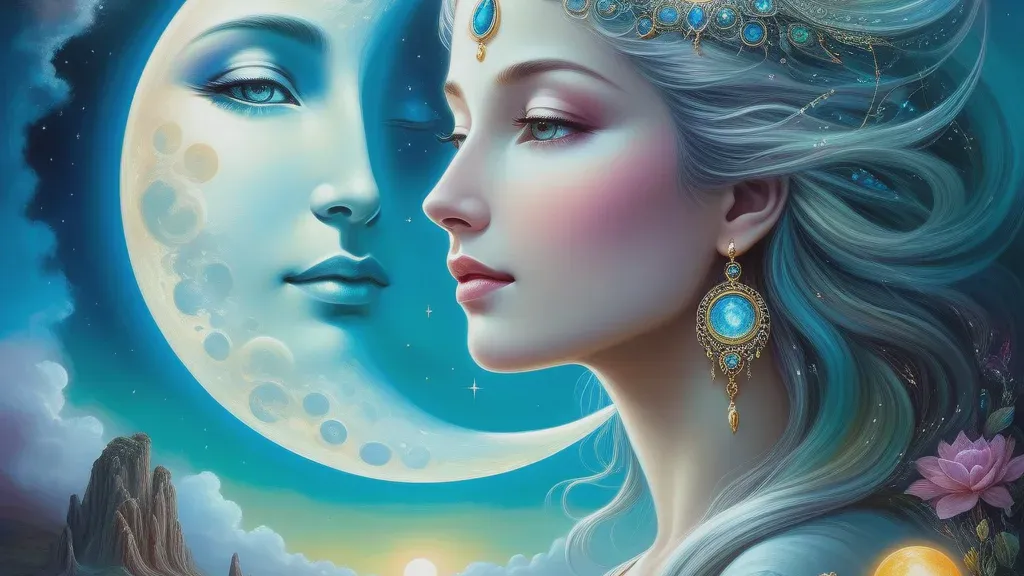
Jung viewed the moon as a primary symbol of the anima — the feminine aspect of the psyche that governs intuition and emotional depth. A bright moon often signals an awakening of unconscious knowledge, while an eclipsed or blood-red moon may represent the shadow side of the feminine or suppressed emotional needs.
Traditional Symbol Meaning
The moon has long been a potent symbol in dreams, representing a myriad of meanings across various cultures and historical contexts. In many traditions, the moon is associated with femininity, intuition, and the subconscious mind. In Western cultures, the moon often embodies the cycles of life, reflecting the ebb and flow of emotions and the passage of time. Historically, the Greeks viewed the moon as a representation of Artemis, the goddess of the hunt and the moon, which emphasizes its connection to the feminine and the natural world. In contrast, the Romans associated it with Luna, further solidifying its ties to femininity and the nurturing aspects of nature. Eastern interpretations of the moon also highlight its significance in the realm of dreams. In Chinese culture, the moon is often linked to harmony and balance, symbolizing the yin energy that complements the active yang. The Mid-Autumn Festival, for instance, celebrates the full moon, a time for family reunions and reflection, suggesting that dreaming of the moon may evoke feelings of nostalgia and connection with loved ones. In Indian traditions, the moon is seen as a source of calmness and peace, often associated with the mind and emotions. Dreaming of the moon in these contexts can indicate a need for introspection and emotional healing. Indigenous cultures around the world have their own unique interpretations of the moon in dreams. For many Native American tribes, the moon is a powerful symbol of guidance and protection. It is believed that dreams featuring the moon can serve as messages from ancestors or the spirit world, urging the dreamer to pay attention to their intuition and inner wisdom. Similarly, in African traditions, the moon is often seen as a symbol of fertility and growth, with dreams of the moon suggesting a time of renewal and potential. Throughout history, the moon has been interpreted as a harbinger of change and transformation. Traditional wisdom suggests that dreaming of the moon can indicate a period of personal growth, emotional upheaval, or a call to embrace one's inner self. The varying cultural associations with the moon highlight its multifaceted nature, reminding us that while it may symbolize different things across cultures, its core essence often revolves around intuition, emotions, and the cyclical nature of life. As such, when one dreams of the moon, it invites a deeper exploration of the self and an acknowledgment of the ever-changing tides of human experience.
Contemporary Psychological
The moon is a powerful symbol in dreams, often representing the subconscious mind, emotional states, and the passage of time. From a contemporary psychology perspective, particularly through the lens of neuroscience and emotional processing, the moon can be seen as a reflection of our internal emotional landscape. Dreams featuring the moon may indicate a need to explore deeper feelings and unresolved issues that reside beneath the surface of our conscious awareness. The moon's phases can symbolize the cyclical nature of our emotions, suggesting that the dreamer is experiencing a period of change or transition in their life. In terms of emotional processing, dreaming of the moon may signify the brain's efforts to consolidate memories and emotions. Neuroscientific research shows that dreams play a crucial role in processing daily experiences and emotions, helping individuals to integrate and make sense of their feelings. A dream featuring the moon might indicate that the dreamer is working through complex emotions or significant life events. The moon's illumination in the dark can represent clarity and insight, suggesting that the dreamer is beginning to understand their emotional responses or is gaining perspective on a situation that previously felt overwhelming. Moreover, the moon can also serve as a symbol of threat simulation, a concept in contemporary psychology that posits dreams prepare us for potential dangers in waking life. Dreaming of the moon may evoke feelings of vulnerability or uncertainty, perhaps mirroring the dreamer's anxieties about the future or their current life circumstances. The moon's presence in a dream can prompt reflection on how the dreamer copes with fear and uncertainty, encouraging them to confront these feelings rather than avoid them. This can lead to personal growth and resilience as they learn to navigate their emotional responses. For individuals who encounter the moon in their dreams, it can be beneficial to engage in reflective practices such as journaling or meditation. These activities can help the dreamer articulate their feelings and thoughts, fostering a deeper understanding of their emotional state. By exploring the themes associated with the moon, such as intuition, change, and emotional depth, dreamers can gain valuable insights into their inner world. Ultimately, the moon serves as a reminder of the importance of acknowledging and processing emotions, which can lead to greater emotional well-being and self-awareness.
Gestalt / Parts of Self
In Gestalt Psychology, dreams are viewed as a reflection of the self, where different elements symbolize various aspects of the dreamer’s psyche. The moon, often associated with intuition, emotions, and the subconscious, can represent the dreamer's inner world and the parts of themselves that are not fully integrated or acknowledged. When the moon appears in a dream, it may symbolize the dreamer's feelings, hidden desires, or aspects of their personality that are in shadow. This celestial body can serve as a mirror, reflecting the dreamer's emotional state and illuminating areas of their life that require attention or integration. The deeper psychological significance of the moon in dreams often revolves around themes of femininity, cycles, and change. In many cultures, the moon is linked to the feminine principle, embodying qualities such as receptivity, nurturing, and emotional depth. Dreaming of the moon may indicate a need to connect with these qualities, suggesting that the dreamer is being called to embrace their emotional self or to explore their intuitive side. Furthermore, the cyclical nature of the moon can symbolize transitions or phases in the dreamer's life, encouraging them to reflect on their current situation and recognize the impermanence of their experiences. When a dreamer encounters the moon, it may also reveal insights about their current life situation. For instance, if the moon appears bright and full, it could signify clarity and emotional fulfillment; conversely, a waning or eclipsed moon might indicate confusion, emotional turmoil, or unresolved issues. This duality invites the dreamer to explore their feelings and confront any aspects of their life that may be out of balance. By recognizing the moon as a part of themselves, the dreamer can begin to take ownership of their emotional landscape and work towards greater integration of their inner experiences. To derive practical psychological insights from this interpretation, dreamers can consider journaling about their feelings and thoughts associated with the moon. Reflecting on what the moon represents in their life—such as intuition, emotional cycles, or hidden desires—can facilitate personal growth and self-awareness. Engaging in creative activities that resonate with the moon's energy, such as meditation, art, or nature walks during the night, can also help the dreamer connect with their inner self. Ultimately, embracing the moon as a symbol of their own emotional and intuitive nature can lead to a deeper understanding of themselves and foster a more harmonious relationship with their inner world.
Jungian / Archetypal
In Jungian and Analytical Psychology, the moon is a powerful symbol that often represents the unconscious mind, intuition, and the feminine aspect of the psyche. It embodies the archetype of the Great Mother, reflecting nurturing qualities, mystery, and the cyclical nature of life. When the moon appears in dreams, it can signify a connection to deeper emotional states and the exploration of one's inner world. This celestial body illuminates the darker corners of the psyche, inviting the dreamer to confront aspects of themselves that may be hidden or repressed. The moon is also associated with the concept of the shadow, which encompasses the parts of ourselves that we may not fully acknowledge or accept. Dreaming of the moon can indicate a need to integrate these shadow aspects into one's conscious awareness. This integration is a crucial part of the individuation process, where the dreamer works to harmonize different facets of their personality. The moon's phases might also reflect the dreamer's current emotional state or life transitions, suggesting that just as the moon waxes and wanes, so too do our emotions and experiences evolve over time. In practical terms, a dream featuring the moon may signal that the dreamer is at a point of introspection or emotional growth. It could indicate a call to embrace intuition and feelings rather than relying solely on rational thought. This symbol encourages the dreamer to explore their subconscious desires, fears, and motivations, fostering a deeper understanding of themselves. If the moon appears bright and full, it may suggest clarity and enlightenment, while a dark or obscured moon could point to confusion or unresolved issues that need to be addressed. Ultimately, the moon in dreams serves as a reminder of the importance of embracing our emotional landscape and the cyclical nature of our experiences. It encourages a journey inward, where the dreamer can confront their fears and hidden aspects, leading to greater self-awareness and personal growth. By engaging with the moon's symbolism, individuals can navigate their inner world more effectively, promoting healing and transformation on their path toward individuation.
Psychodynamic / Freudian
In the realm of psychodynamic psychology, the moon is a powerful symbol often associated with the unconscious mind, emotions, and the feminine aspect of the psyche. When this celestial body appears in dreams, it can represent both manifest and latent content. The manifest content refers to the straightforward imagery of the moon itself, while the latent content delves deeper into what the moon signifies about the dreamer's psyche. The moon may symbolize hidden desires, repressed feelings, or aspects of the self that are not fully acknowledged. It can also reflect the cyclical nature of life and emotions, highlighting how feelings can wax and wane much like the phases of the moon. The deeper psychological significance of dreaming about the moon often revolves around themes of intuition, mystery, and transformation. The moon's light can illuminate the darker corners of the mind, suggesting that the dreamer may be on the verge of uncovering hidden truths about themselves or their circumstances. This illumination can act as a form of wish fulfillment, where the dreamer yearns for clarity or resolution in a particular area of their life. The moon can also represent a longing for connection, especially in the context of relationships, indicating that the dreamer may be grappling with feelings of loneliness or a desire for emotional intimacy. Dreaming of the moon might indicate that the dreamer is navigating complex emotions or experiencing a period of introspection. This could manifest as a need to reconcile different parts of their identity or confront unresolved issues from the past. The moon's associations with femininity and intuition may suggest that the dreamer is being called to embrace their emotional side, allowing themselves to feel and process emotions that they may have previously suppressed. Additionally, the moon can serve as a reminder of the importance of self-reflection and understanding one's inner landscape, encouraging the dreamer to explore their feelings and desires more deeply. From a practical psychological perspective, engaging with the symbol of the moon in dreams can provide valuable insights into the dreamer's emotional state and personal growth. Keeping a dream journal can help individuals track their dreams involving the moon, noting any recurring themes or emotions associated with these dreams. This practice can facilitate greater self-awareness and understanding of one's emotional needs. By exploring the latent content of these dreams, individuals can uncover hidden aspects of their psyche, leading to more profound personal insights and the potential for healing. Ultimately, the moon serves as a reminder that the unconscious mind holds wisdom that can guide us toward a more integrated and fulfilling life.
Cultural & Historical Origins
In Greek mythology, Selene drove her silver chariot across the night sky, embodying illumination in darkness. Hindu tradition reveres Chandra as the moon deity governing the mind. In Egyptian cosmology, Thoth in his lunar aspect presided over wisdom and cycles of time.
Contextual Variations
A full moon lighting up the landscape
Suggests a moment of emotional clarity or unconscious knowledge coming to the surface.
A blood-red or eclipsed moon
May indicate emotional turmoil, suppressed feminine energy, or a transformative crisis approaching.
Frequently Asked Questions
What does a full moon mean in a dream?
Why do I dream about the moon during stressful times?
Journaling Prompts
- What hidden feelings or intuitions have I been ignoring that this dream might be illuminating?
- Am I in a phase of emotional fullness or darkness — and what cycle might be completing?
Related Symbols
Dreamed about Moon?
Get a personalized AI interpretation that connects this symbol to your specific life circumstances.
Interpret My Dream