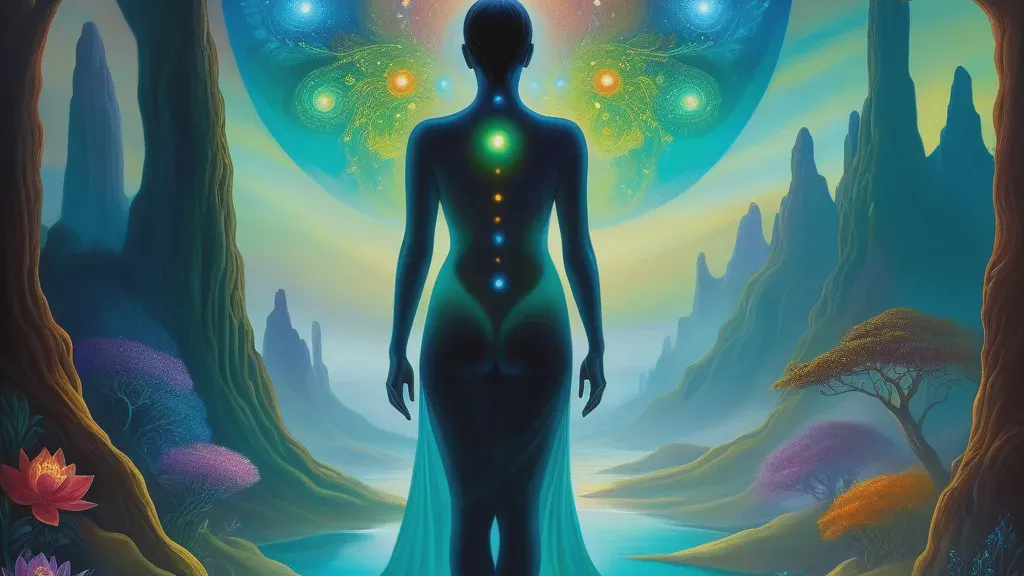
Shadow Body
Jungian Archetypes
Meaning
The shadow body in dreams signifies the disconnection between one's true self and societal persona. This reflects psychological mechanisms of identity conflict and the struggle for authenticity, often triggered by social pressures or expectations.
Psychological Interpretation
Jungian theory emphasizes the importance of reconciling the shadow body to achieve individuation. Cognitive psychology sees it as a reflection of self-image distortions, while practical psychology encourages embracing the authentic self despite external influences.
Cultural & Historical Origins
In Buddhist traditions, concepts of the shadow body relate to the idea of 'samsara', where the true self is obscured. In Native American culture, shadow figures symbolize lost spirits, representing the need for healing and reconnection with one’s authentic self.
Contextual Variations
You look in a mirror and your body is normal from the neck up, but the lower half is a dark, shifting silhouette. When you try to move, the silhouette lags behind by a second.
A shadow body often symbolizes dissonance between self-image and lived experience—especially around needs, anger, or desire. The lag suggests delayed emotional expression: your feelings may be catching up after you’ve already acted.
At a party, people compliment your appearance, but when you walk away your body turns shadow-like and you feel hollow. You keep smiling anyway, as if the shadow isn’t real.
This can indicate performative connection—presenting a socially acceptable version while feeling internally unreachable. Psychologically, it points to identity fragmentation: the part that wants belonging is active, while the part that feels unseen is going numb.
You try to cover your shadow-body with clothing, but the fabric passes through it like smoke. The more you try to hide, the more defined the shadow becomes.
Attempts to cover a shadow-body can symbolize avoidance strategies that fail under pressure. The increasing definition suggests the suppressed material is demanding integration, not concealment.
Frequently Asked Questions
What does it mean if only part of my body turns into a shadow?
Does a shadow body mean I’m disconnected from myself?
How should I respond if I feel scared during the dream?
Journaling Prompts
- Which part of your life or identity feels most “shadow-like,” and what do you do to keep it hidden?
- What does the lag or mismatch in your dream reveal about timing—when you feel something versus when you express it?
- If you stopped trying to cover the shadow-body, what emotion would you expect to surface first?
Related Symbols
Dreamed about Shadow Body?
Get a personalized AI interpretation that connects this symbol to your specific life circumstances.
Interpret My Dream