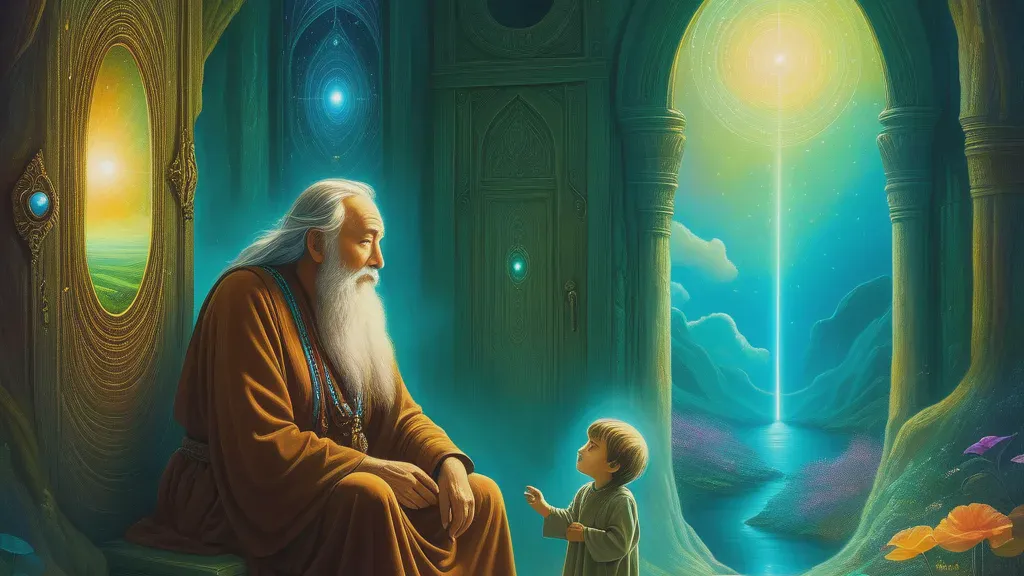
Secret Room
Jungian Archetypes
Meaning
A secret room in dreams symbolizes hidden aspects of the self or unprocessed experiences. This reflects the psychological need to confront and integrate these hidden parts for personal growth.
Psychological Interpretation
Jungian analysis links the secret room to the Wise Old Man, representing wisdom and insights. Cognitive psychology views it as a space for introspection, while practical psychology emphasizes the need to confront and resolve past experiences for emotional clarity.
Cultural & Historical Origins
In 'The Chronicles of Narnia,' the wardrobe serves as a portal to hidden worlds, symbolizing discovery. Similarly, in folklore, secret rooms often represent the subconscious mind, housing repressed emotions and forgotten memories.
Contextual Variations
You find a door behind a bookshelf and step into a small room filled with old keepsakes. As you enter, you feel both curiosity and dread, and the room seems to wait for you to acknowledge what’s inside.
A secret room often represents unprocessed experiences or hidden aspects of the self that are stored away. Psychologically, it suggests readiness to confront material that has been compartmentalized, with the Wise Old Man theme guiding structure and meaning-making.
The room contains a single chair and a mirror that shows you at different ages. The longer you look, the more the ages align into one coherent image, and you feel steadier.
This can symbolize inner reconciliation—integrating different developmental selves. Psychologically, it indicates healing through acknowledgment: your psyche is organizing memory into a usable narrative rather than scattered fragments.
You try to leave the secret room, but the door keeps moving or appearing in new places. Eventually you stop searching for the exit and start cleaning the room, and the door finally becomes clear.
Difficulty leaving can reflect avoidance loops—your mind won’t let you escape until you engage with what’s inside. Psychologically, cleaning the room suggests active integration: making order out of what you’ve kept hidden.
Frequently Asked Questions
Why did the secret room feel like it had rules?
What does it mean if I was afraid to open the door?
Does a secret room mean I’m hiding something from myself?
Journaling Prompts
- What objects or features were in the secret room, and what did each represent to you emotionally? Choose one and write what it’s asking you to acknowledge.
- How did you move in the room—slowly, running, hesitating, exploring? Connect that to your current relationship with the feelings the room contains.
- What prevented you from leaving (fear, confusion, missing key, moving door)? Identify the internal barrier and what would help you soften it.
Related Symbols
Dreamed about Secret Room?
Get a personalized AI interpretation that connects this symbol to your specific life circumstances.
Interpret My Dream