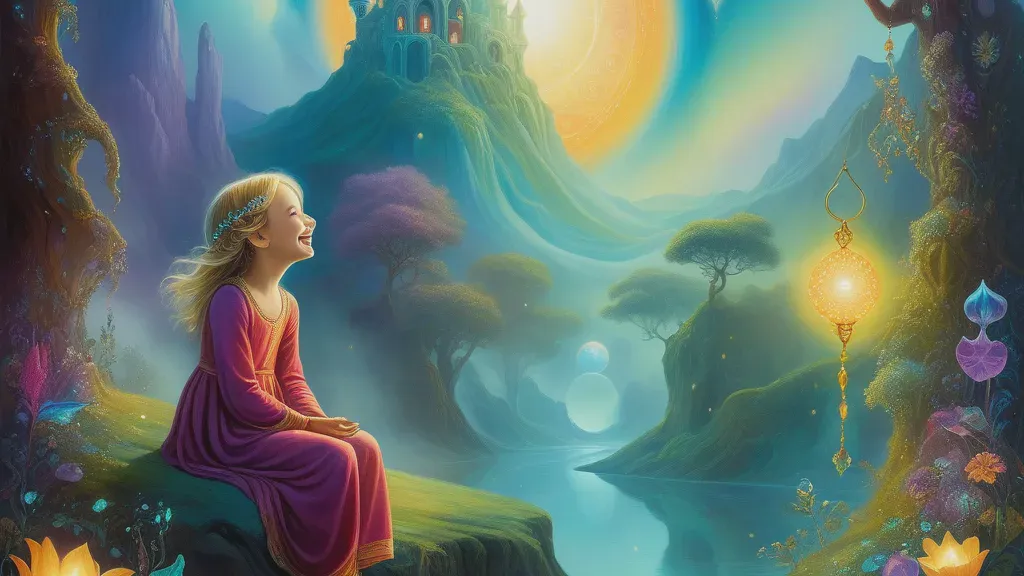
Laugh
Jungian Archetypes
Meaning
Dreams of laughter often signify release and relief from tension, acting as a coping mechanism to handle stress. Psychologically, it may indicate a desire for joy and connection or highlight the need for emotional regulation.
Psychological Interpretation
Jungian thought links laughter to the Trickster archetype, representing humor's role in confronting the unconscious. Cognitive psychology interprets it as a signal of social bonding, while practical perspectives see it as a necessary escape from daily pressures.
Cultural & Historical Origins
In ancient Egyptian culture, laughter was tied to the goddess Hathor, associated with joy and music. Additionally, in the writings of Shakespeare, laughter often serves as a tool for social critique, revealing deeper truths hidden within human interactions.
Contextual Variations
You’re at a tense meeting and suddenly start laughing at something that isn’t funny to others. You feel embarrassed, but the laughter loosens your chest and you breathe easier afterward.
Dream laughter can function as emotional release—your psyche “vents” pressure when tension becomes too heavy. The mismatch with others may reflect a private coping response: your body finds relief even if your mind can’t explain it.
You’re alone in your kitchen and laugh while stirring soup that keeps turning into different foods. The laughter feels warm, like you’re reclaiming playfulness.
Playful, solitary laughter often signals reconnection with creativity and self-permission. Psychologically, it can indicate you’re restoring balance by shifting from obligation into spontaneity.
You laugh during an argument in the dream, and the other person pauses as if confused. You wake up with a sense that the conflict lost its grip.
Laughing during conflict can symbolize a boundary—your mind refuses to stay trapped in escalation. It may also indicate that humor is helping you detach from power struggles long enough to regain perspective.
Frequently Asked Questions
Why did I laugh in my dream even though the situation was stressful?
What does it mean if my laughter felt embarrassing or inappropriate?
Can laughing in a dream mean I’m avoiding something?
Journaling Prompts
- What tension was present in the dream, and what did the laughter change in your body or mood?
- Where in my waking life do I hold back playfulness or relief, and what would it cost to allow it?
- What was the laugh “about” emotionally—fear, relief, defiance, tenderness, or confusion?
Related Symbols
Dreamed about Laugh?
Get a personalized AI interpretation that connects this symbol to your specific life circumstances.
Interpret My Dream