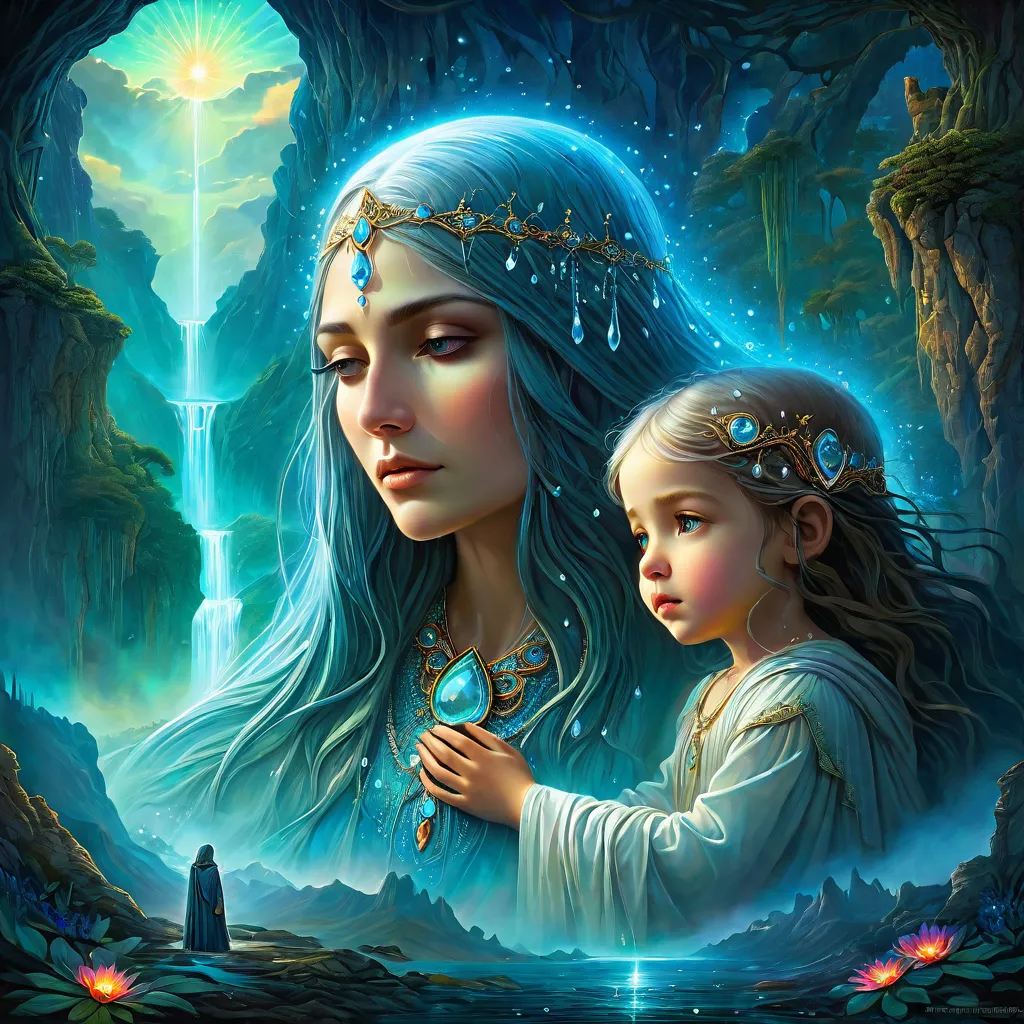
Vale Of Tears
Jungian Archetypes
Meaning
Dreaming of a vale of tears symbolizes deep sorrow or emotional cleansing. It represents the need to confront grief and process unresolved pain.
Psychological Interpretation
From a Jungian perspective, the vale of tears may indicate a confrontation with the Shadow, prompting healing. Cognitive psychology associates it with emotional processing, while practical psychology emphasizes the importance of acknowledging and expressing grief.
Cultural & Historical Origins
In literature, the vale of tears appears in works like 'The Pilgrim's Progress,' symbolizing the journey through suffering. In Christian theology, the concept of tears as a path to redemption reflects the transformative power of grief.
Contextual Variations
You walk through a misty valley where the ground is soft like wet sand, and every step triggers a new memory you can’t stop crying about.
The valley and persistent tears suggest grief that isn’t fully integrated—memories keep rising as your mind processes them. Soft ground can symbolize that your usual defenses are loosening, letting emotion move rather than harden.
You meet a child in the vale who asks why you keep walking past the crying pools, and when you kneel, your breathing steadies.
A child presence often represents a younger, hurt part that still needs acknowledgment. Kneeling and steady breathing suggests readiness for emotional cleansing—your psyche may be preparing for grief work rather than avoidance.
A wise figure tells you to carry a bowl of water from the vale to a bright place, but the bowl leaks and you keep trying to fix it.
Carrying water implies trying to transfer grief into healing, while leaking reflects the reality that feelings can’t be “perfectly contained.” Fixing the bowl can symbolize control attempts; the dream may be urging you to let the process be messy and still meaningful.
Frequently Asked Questions
Why did I dream of a valley of tears instead of a normal sad scene?
What does it mean if I couldn’t stop crying in the dream?
Does dreaming of this place mean bad things are coming?
Journaling Prompts
- What grief or disappointment feels “stuck in the landscape,” repeating rather than resolving?
- Who (child, wise figure, strangers) did you interact with in the vale, and what part of you might they represent?
- When you tried to leave or carry something out of the vale, what exactly were you trying to save?
Related Symbols
Dreamed about Vale Of Tears?
Get a personalized AI interpretation that connects this symbol to your specific life circumstances.
Interpret My Dream