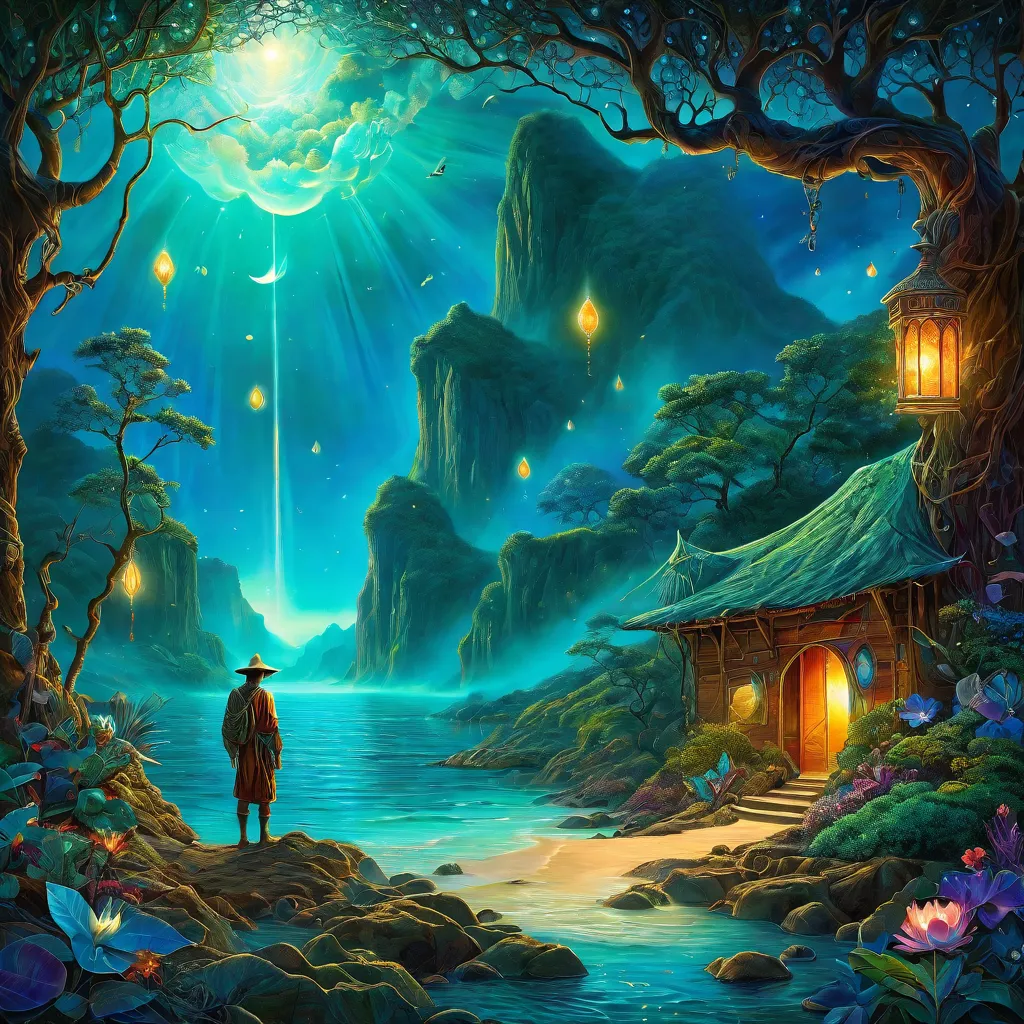
Vagabond
Jungian Archetypes
Meaning
Dreaming of a vagabond often signifies a search for freedom and self-identity. It reflects feelings of displacement or a desire to explore different facets of oneself.
Psychological Interpretation
From a Jungian perspective, the vagabond may embody the Hero's journey, representing exploration of the self. Cognitive psychology views this as a quest for meaning, while practical psychology emphasizes the importance of embracing life's uncertainty.
Cultural & Historical Origins
In literature, characters like Huckleberry Finn embody the vagabond spirit, symbolizing adventure and self-discovery. In folklore, the Wandering Jew represents eternal search and existential struggle, reflecting the quest for belonging and purpose.
Contextual Variations
You’re traveling without a map, staying in strangers’ homes, and every time someone offers you a stable job you leave before accepting.
This often reflects a search for identity that resists being pinned down too early. The vagabond role can symbolize freedom needs, but also a fear of commitment or the discomfort of belonging.
You return to a familiar town and realize you don’t recognize your own house—your life feels like it belongs to someone else.
Displacement and not-recognizing-home points to identity fragmentation—parts of you have been adapting, but the “self” you expected to find isn’t there. Psychologically, it can signal a need to rebuild continuity between your values and your daily choices.
A stern authority figure says you must stop roaming, but you keep walking and feel lighter with each step despite guilt.
Roaming versus authority suggests tension between self-direction and external expectations. Feeling lighter while guilty can indicate an internal conflict: your psyche wants autonomy, yet your conscience has learned to equate freedom with wrongdoing.
Frequently Asked Questions
Does dreaming of a vagabond mean I want to run away from my life?
Why do I feel both free and guilty in the dream?
What if the vagabond in my dream looks like me?
Journaling Prompts
- Which part of your life feels like a “route someone else chose,” and what would your route look like if you could redesign it?
- Where do you feel most like yourself—traveling, learning, helping, creating—and what stops you from doing more of that?
- What guilt or fear comes up when you imagine stability, and what need is that fear trying to protect?
Related Symbols
Dreamed about Vagabond?
Get a personalized AI interpretation that connects this symbol to your specific life circumstances.
Interpret My Dream