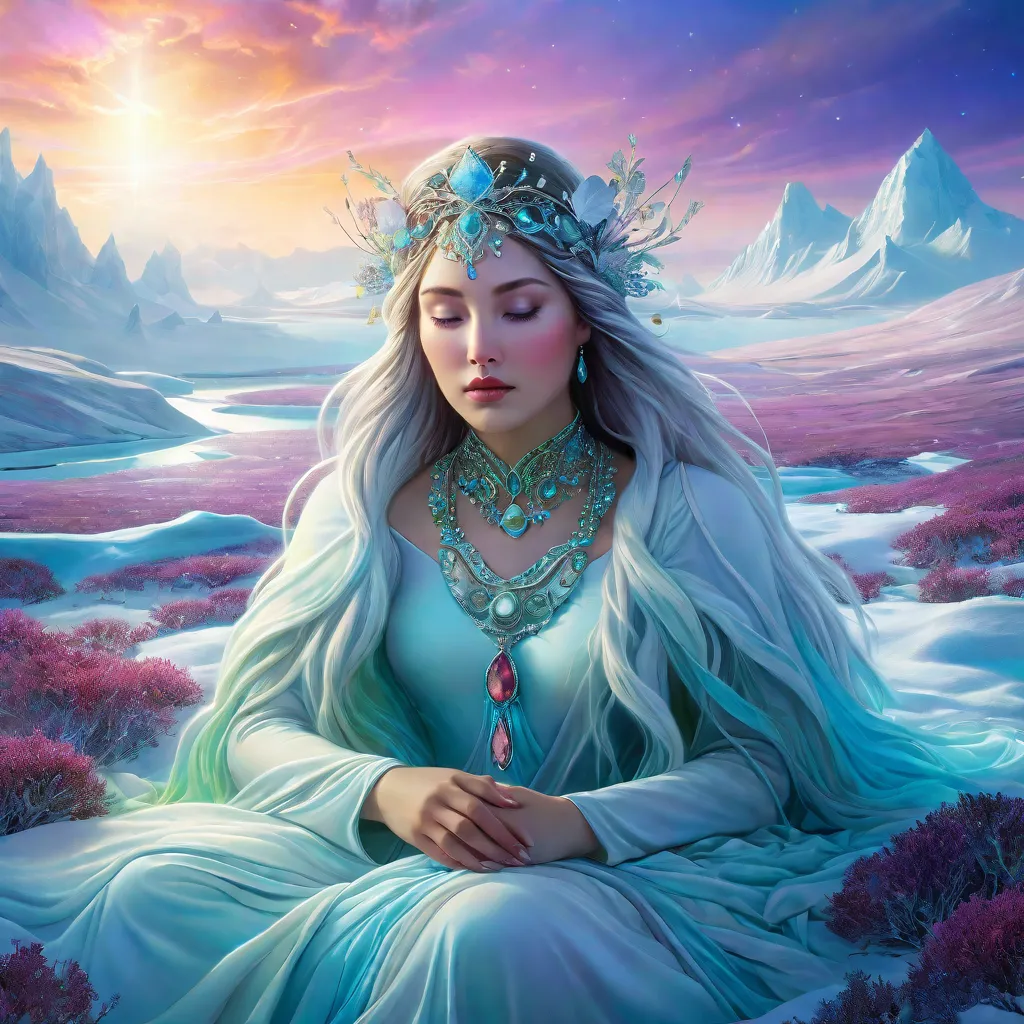
Tundra
Jungian Archetypes
Meaning
Dreaming of tundra represents feelings of isolation or emotional desolation. This can signify a psychological state where the dreamer feels disconnected from their environment or experiences a lack of warmth.
Psychological Interpretation
From a Jungian viewpoint, the tundra may symbolize barren aspects of the psyche needing exploration. Cognitive psychology links it to feelings of emptiness, while practical psychology suggests engaging with social connections to combat isolation.
Cultural & Historical Origins
In Inuit mythology, the tundra is often seen as a land of spirits, embodying resilience and survival. Similarly, in literature, such as Jack London's 'To Build a Fire,' the tundra symbolizes the struggle against nature's harshness.
Contextual Variations
You walk across a vast tundra with no trees, your breath visible, and every step crunches loudly as you search for a sign of life.
The tundra’s emotional barrenness mirrors a period of numbness, isolation, or restrained feeling. The loud crunching suggests you may be hyperaware of your own strain, looking for evidence that you’re not alone or that something can grow.
You try to build a shelter in the tundra, but the snow keeps shifting and your tools keep slipping from your hands.
This points to introspection under difficult conditions—attempts to create safety or meaning while your inner “ground” feels unstable. The slipping tools reflect frustration with methods that worked before, implying you need a new approach to self-care and emotional grounding.
You see distant lights across the tundra, but when you reach the spot, it’s only an empty frozen pond reflecting the sky.
The distant lights symbolize hope or connection that you’re chasing, while the empty reflection suggests disappointment or projections. Psychologically, the dream may be asking you to separate what you’re longing for from what is actually present and reliable right now.
Frequently Asked Questions
Why do I feel emotionally “empty” after dreaming of the tundra?
Is the tundra dream a sign that I’m stuck?
What does it mean if I’m calm in the tundra dream?
Journaling Prompts
- Where in your life are you relying on distance or silence to cope, and what emotion are you trying not to feel?
- What “sign of life” were you searching for in the tundra—people, purpose, comfort, answers—and what would a smaller, realistic version look like?
- How did your body feel in the tundra (cold, alert, numb, steady), and what does that suggest about your current emotional regulation?
Related Symbols
Dreamed about Tundra?
Get a personalized AI interpretation that connects this symbol to your specific life circumstances.
Interpret My Dream