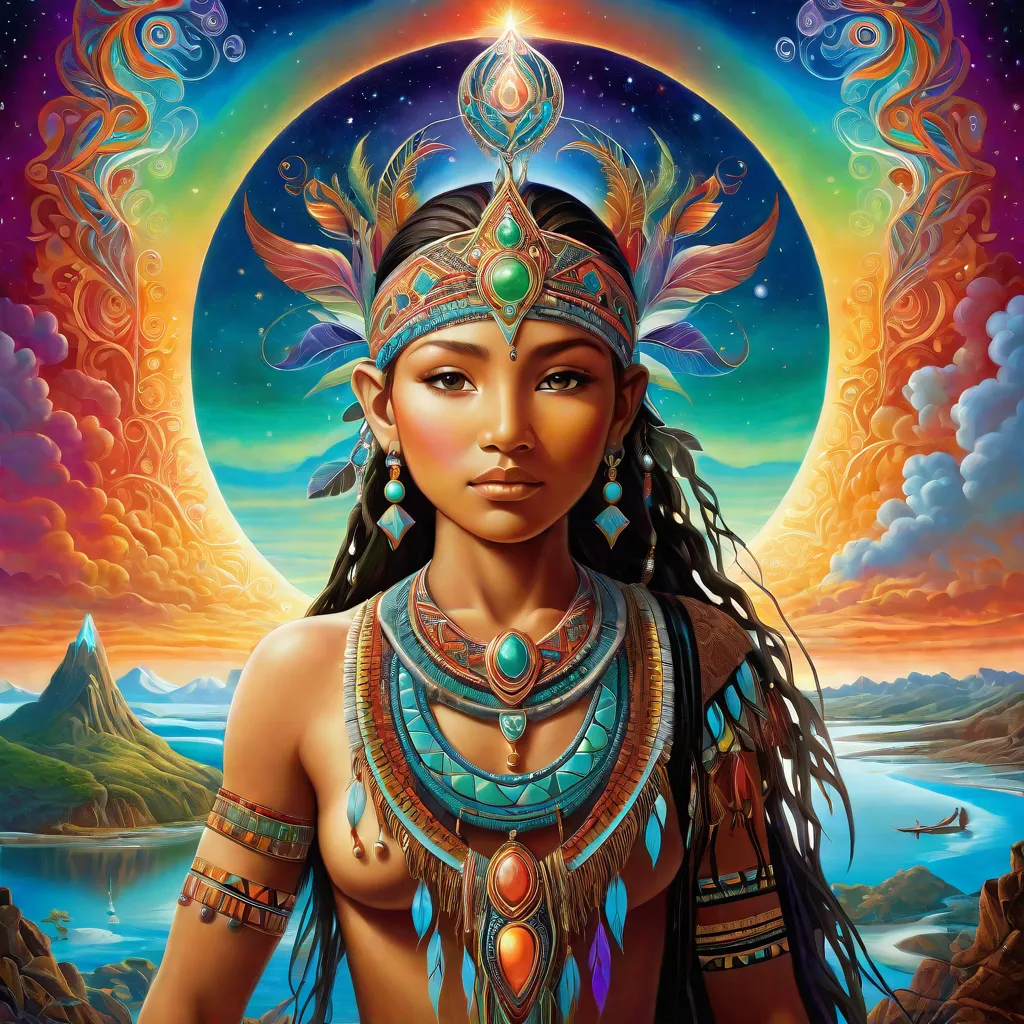
Tribal Pride
Jungian Archetypes
Meaning
Tribal pride in dreams signifies connection to one's roots and community identity. Psychologically, it reflects an affirmation of self-worth and belonging, vital for personal and collective empowerment.
Psychological Interpretation
Jungian psychology interprets this as a celebration of the collective unconscious, while cognitive psychology views it as a reinforcement of social identity theory. Practical psychology emphasizes the role of community in enhancing self-esteem.
Cultural & Historical Origins
In Maori culture, the concept of 'whakapapa' emphasizes genealogy and belonging to a tribe. In African cultures, communal pride is often expressed in rituals that affirm heritage and collective identity.
Contextual Variations
You stand in a circle during a community ceremony, wearing ancestral colors, and you feel your chest loosen as people chant your name.
This often points to a renewed sense of belonging and self-worth grounded in family or cultural identity. Psychologically, the dream can signal that you’re ready to claim your place without apologizing for who you are.
You’re helping elders prepare food for a gathering, and even when someone criticizes, you keep serving calmly because you believe in the tradition.
The dream may reflect inner alignment: your values are stronger than others’ opinions. It can also show the psyche reinforcing a stable “I” that survives judgment by rooting confidence in shared history.
At a school or workplace, you’re asked to explain a family custom, and when you speak, others begin to nod with respect rather than mock you.
This scenario suggests a desire to be understood and validated in everyday environments, not only at home. It often emerges when you’re negotiating identity boundaries—how much of your background you’ll disclose and how safely.
Frequently Asked Questions
Why did I feel so proud in the dream, but it doesn’t match how I feel in real life?
What does it mean if my tribe or community looked different from my actual one?
Is tribal pride in a dream always positive?
Journaling Prompts
- When did you last feel fully “seen” by people who share your background or values—what exactly made it feel safe?
- Which part of your identity did the dream defend (accent, religion, family role, customs), and what emotion rose when it was defended?
- Where in your current life do you feel you must tone yourself down—and where would you like to practice belonging without shrinking?
Related Symbols
Dreamed about Tribal Pride?
Get a personalized AI interpretation that connects this symbol to your specific life circumstances.
Interpret My Dream