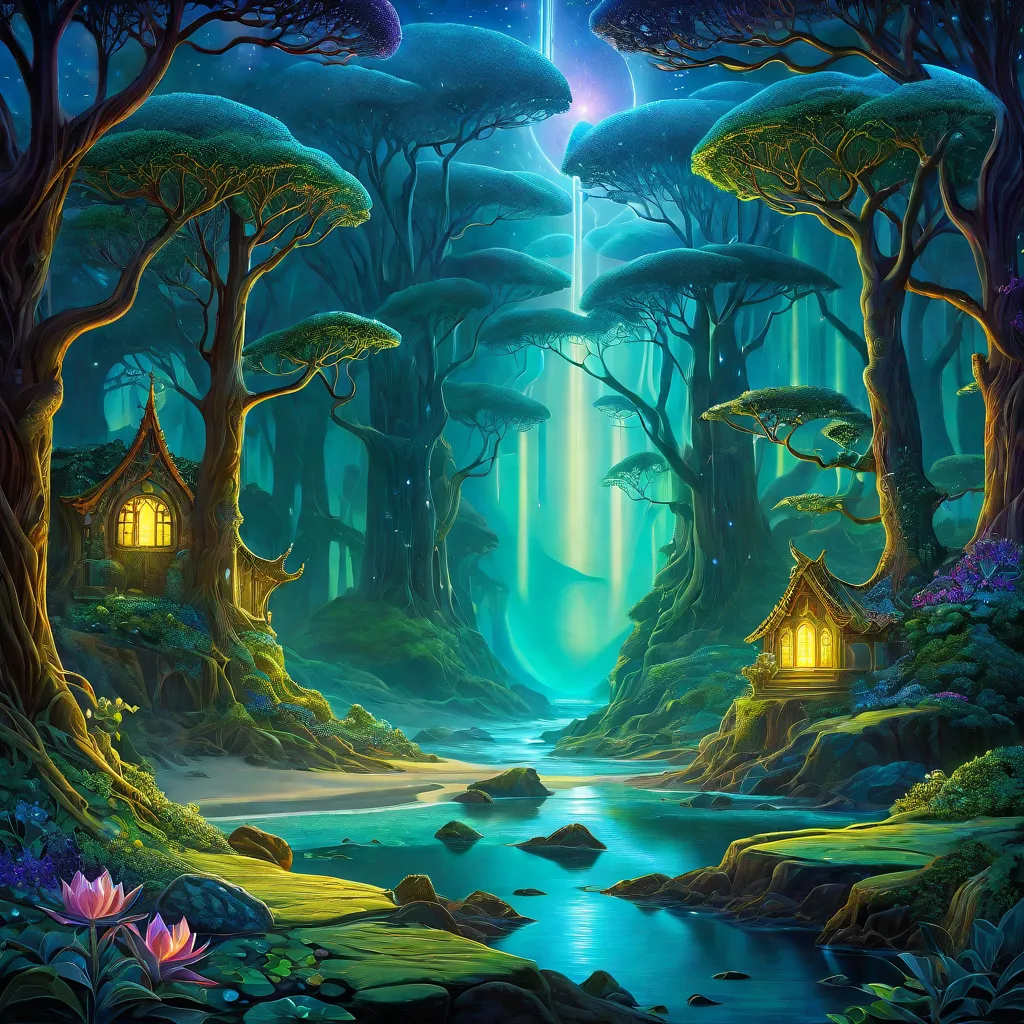
Tir Na Nog
Jungian Archetypes
Meaning
Tir Na Nog embodies the longing for an idealized state or escape from reality. Dreaming of this place can indicate a desire for rejuvenation, reflecting the psyche's quest for solace and fulfillment.
Psychological Interpretation
From a Jungian lens, Tir Na Nog symbolizes the Anima's realm, where the unconscious can manifest desires. Cognitive frameworks may interpret it as an escape from stress, while practical psychology highlights the need for rest and reconnection with joy.
Cultural & Historical Origins
Tir Na Nog is rooted in Irish mythology, described as the Land of Eternal Youth, where heroes like Oisín journey. Similar concepts appear in the Greek myth of Elysium, representing paradise and eternal bliss, forming a cultural ideal of peace.
Contextual Variations
You’re traveling with a small group through misty hills and suddenly find a hidden valley gate that opens only when you stop chasing it. Inside, every sound feels softened and time seems slower, but you realize you can’t bring your phone or your worries with you.
Tír na nÓg appears as a psychological “escape hatch” where the mind tests what life would feel like without pressure, deadlines, or self-judgment. The gate that opens only when you stop chasing suggests your longing is tied to a need to release control and be met rather than perform.
You arrive at a bright, otherworldly shoreline and are offered a drink that makes memories blur. When you try to leave, the path rearranges itself and you keep finding yourself back at the same moment of arrival, as if the place refuses to let you carry the past.
This scenario points to an avoidance function: the mind wants relief from unresolved emotional weight, even if it costs continuity of identity. The “refusal to let you leave with the past” reflects fear that stepping back into reality will re-activate old pain or unfinished decisions.
At a festival in Tír na nÓg, you’re praised for being “perfectly yourself,” yet you notice you’re unable to name what you truly want. The more you try to explain your needs, the more the festival transforms into scenes from other people’s lives.
The idealized state becomes a mirror that exposes how much of your current identity is shaped by expectations or roles. Being praised but unable to articulate desire suggests the longing is less about the place itself and more about reclaiming authentic wants that have been crowded out.
Frequently Asked Questions
Why would I dream of Tír na nÓg when my life feels stressful lately?
Does dreaming of an ideal place mean I’m avoiding reality?
What does it mean if I can’t remember what I did in Tír na nÓg?
Journaling Prompts
- Where in your waking life are you “chasing the gate,” and what would it look like to stop chasing and receive relief instead?
- If Tír na nÓg could only grant one thing—rest, belonging, certainty, or forgiveness—what would you choose and why?
- What part of you does the dream seem to protect when you can’t bring your worries or past with you?
Related Symbols
Dreamed about Tir Na Nog?
Get a personalized AI interpretation that connects this symbol to your specific life circumstances.
Interpret My Dream