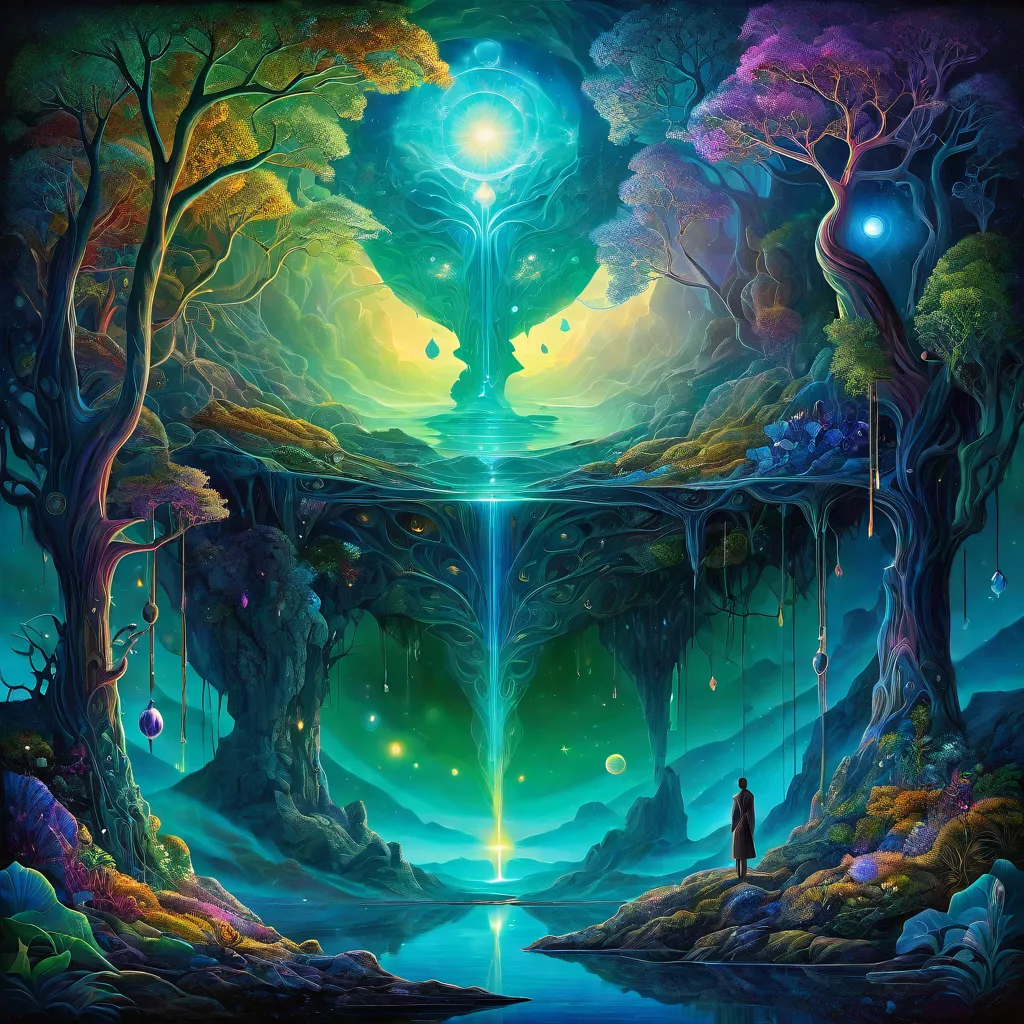
The Forgotten Self
Jungian Archetypes
Meaning
Dreaming of the forgotten self often indicates repressed identity aspects. Psychologically, it reflects the need for self-discovery and integration of neglected personal traits or desires.
Psychological Interpretation
Jungian analysis emphasizes the importance of confronting and integrating the shadow. Cognitive psychology may interpret it as a sign of unacknowledged potential. Practically, it invites exploration of personal history and unfulfilled dreams.
Cultural & Historical Origins
In literature, themes of the forgotten self appear in Kafka's 'Metamorphosis', where the protagonist grapples with identity loss. Similarly, in classical mythology, figures like Persephone represent the journey of rediscovering self after being lost.
Contextual Variations
You try to remember your own name in the dream, but each time you say it, the letters rearrange, and you realize you’ve been living as a version of you that isn’t fully yours.
The forgotten self often symbolizes neglected identity aspects—parts of you that haven’t been acknowledged. Psychologically, it points to dissociation from needs, preferences, or emotions you’ve learned to suppress.
You find a room in your house that’s locked, and inside are old drawings, journals, and a hobby you used to love; when you open the door, you feel both grief and excitement.
A locked room represents repressed or postponed parts of identity. The grief and excitement suggest integration is possible, but it will require acknowledging what was lost or delayed.
People call you by the wrong nickname, and you keep correcting them, yet you can’t feel the correction land; eventually you stop trying and sit in silence.
Misnaming reflects disconnection between how you’re known and how you actually feel. Psychologically, it may indicate exhaustion from trying to be understood, and a need to reconnect internally first.
Frequently Asked Questions
Does dreaming of a forgotten self mean I’m losing my mind?
Why does the dream feel emotional rather than just confusing?
How can I integrate what the dream is pointing to?
Journaling Prompts
- What part of yourself felt “missing” in the dream—name, hobby, emotion, or desire—and when did you last feel connected to it?
- What did you feel when you found evidence of the forgotten self (grief, relief, anger, curiosity), and what does that feeling ask for?
- If the forgotten self could choose one boundary or lifestyle change, what would it be?
Related Symbols
Dreamed about The Forgotten Self?
Get a personalized AI interpretation that connects this symbol to your specific life circumstances.
Interpret My Dream