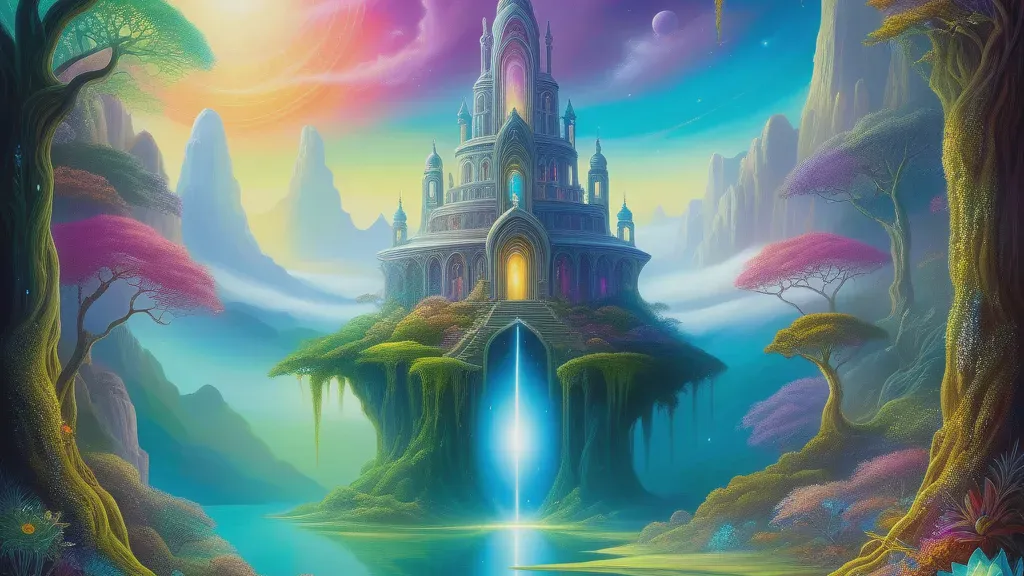
Sanctuary
Jungian Archetypes
Meaning
Dreaming of a sanctuary can signify a need for safety and emotional refuge. Psychologically, it reflects the subconscious desire to retreat from stressors and find peace, connecting to the inner self and personal identity.
Psychological Interpretation
From a Jungian perspective, the sanctuary represents the Persona, a space for self-exploration. Cognitive psychology views it as a need for coping mechanisms. Practically, it can signify seeking environments that nurture well-being and self-discovery.
Cultural & Historical Origins
In ancient Greece, sanctuaries were sacred spaces for worship, such as the Sanctuary of Delphi. In medieval Europe, sanctuaries offered refuge from persecution, highlighting their role as safe havens in various cultural contexts.
Contextual Variations
You find a sanctuary room with a locked door; inside, everything is quiet, but you hesitate to enter because you think you don’t deserve safety.
Sanctuary as a refuge highlights a need for emotional safety that your psyche may doubt. Psychologically, hesitation suggests internal rules about deservingness—your healing is ready, but guilt or old beliefs block access.
You enter a sanctuary and immediately notice tricks—mirrors rearranging your reflection, soft voices offering conflicting instructions.
A sanctuary with trick-like elements can indicate that retreat is being used to avoid clarity or responsibility. Psychologically, it may reflect confusion about comfort: safety is desired, but the mind is also testing whether refuge will actually help you face reality.
You’re chased through a crowded place, and you reach the sanctuary just as the noise fades; then you realize the sanctuary has no walls—only a feeling you can carry.
Noise fading into an expansive sanctuary suggests learning internal regulation rather than relying on external conditions. Psychologically, it points to developing steadiness—safety as a capacity you can bring with you.
Frequently Asked Questions
Why do I feel guilty in the sanctuary?
What does it mean if the sanctuary includes confusing tricks?
If the sanctuary has no walls, what is it really showing me?
Journaling Prompts
- Where do you currently seek safety, and what belief makes that safety feel “conditional” for you?
- What do the sanctuary’s tricks mirror in waking life—an avoidance pattern, mixed signals, or confusion about comfort?
- If sanctuary is a feeling you can carry, what practices or boundaries help you create that feeling most reliably?
Related Symbols
Dreamed about Sanctuary?
Get a personalized AI interpretation that connects this symbol to your specific life circumstances.
Interpret My Dream