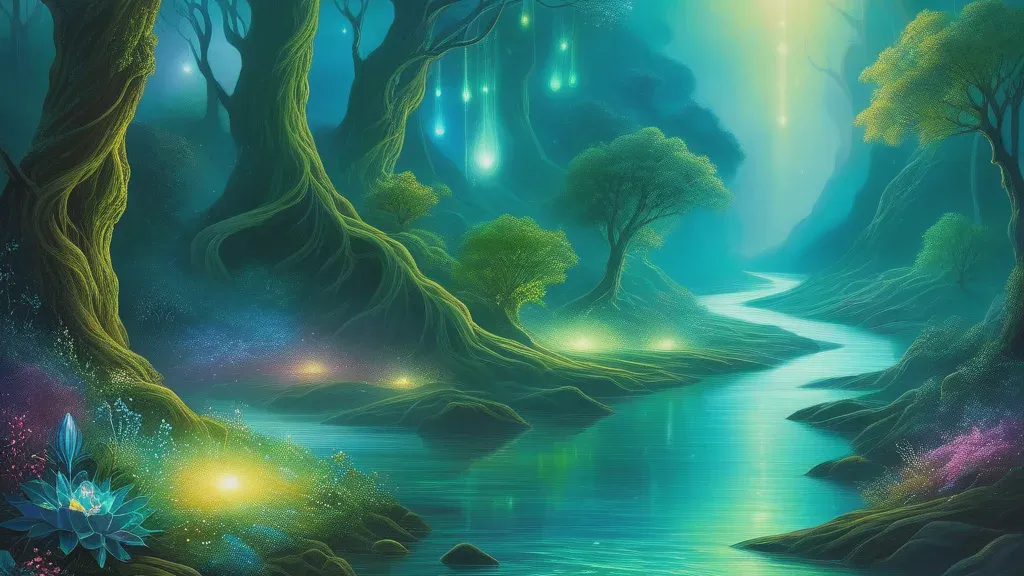
River
Jungian Archetypes
Meaning
Rivers represent the flow of life, emotions, and the passage of time. They symbolize continuous movement and transformation, carrying us toward our destiny. The river's current reflects the natural progression of life's journey.
Psychological Interpretation
In Jungian psychology, the river embodies the Self's journey through the unconscious. It represents the integration of conscious and unconscious aspects, flowing toward wholeness. Crossing a river often signifies psychological transformation and moving into new phases of development.
Traditional Symbol Meaning
The symbol of a river in dreams holds rich historical and cultural significance across various traditions. In many cultures, rivers are viewed as powerful symbols of life, transformation, and the flow of time. In Western traditions, rivers often represent the passage of time and the journey of life. The ancient Greeks, for instance, believed that rivers were the boundaries of the underworld, with the River Styx serving as a critical threshold between the living and the dead. This association with transitions and boundaries underscores the river's role as a facilitator of change, suggesting that dreaming of a river may indicate an impending transformation or a need to navigate through emotional currents. In Eastern traditions, rivers are frequently seen as sources of nourishment and spiritual renewal. In Hinduism, the Ganges River is revered as a sacred entity, symbolizing purification and the flow of spiritual energy. Dreaming of a river in this context may reflect a desire for cleansing or a longing for spiritual connection. Similarly, in Chinese culture, rivers symbolize prosperity and abundance, often associated with the flow of wealth and good fortune. The idea of flowing water in dreams can thus represent the ebb and flow of life's opportunities, encouraging dreamers to embrace change and seek harmony in their circumstances. Indigenous cultures also hold deep reverence for rivers, often viewing them as living entities that embody the spirit of the land. For Native American tribes, rivers are vital sources of sustenance and are often linked to ancestral teachings. Dreaming of a river in this context may signify a call to reconnect with one's roots or to honor the wisdom of the ancestors. The river's movement can symbolize the interconnectedness of all life, prompting dreamers to reflect on their place within the larger tapestry of existence. Traditional wisdom suggests that rivers in dreams can carry a range of meanings depending on their characteristics. A calm river may symbolize peace and tranquility, while a turbulent river could indicate emotional turmoil or challenges ahead. The direction of the river's flow can also be significant; a river flowing toward the dreamer might suggest new opportunities, while one flowing away could indicate the need to let go of the past. Overall, the dream of a river serves as a powerful reminder of life's continuous flow, urging individuals to embrace change, seek balance, and remain open to the lessons that come with each twist and turn.
Jungian / Archetypal
In Jungian and Analytical Psychology, a river in dreams often symbolizes the flow of life, emotions, and the unconscious mind. It can represent the journey of individuation, where the dreamer is navigating through their inner world and confronting various aspects of their psyche. Rivers are dynamic, constantly changing, and can reflect the dreamer's emotional state or personal transformation. They may also embody the collective unconscious, connecting the dreamer to universal themes and archetypes that resonate with the human experience, such as the passage of time, the journey of self-discovery, and the movement between different stages of life. The deeper psychological significance of rivers in dreams often relates to the themes of transition and transformation. A calm river may suggest that the dreamer is in a period of emotional stability, while a turbulent river could indicate inner conflict or challenges that need to be addressed. The river can also represent the flow of unconscious material coming to the surface, allowing the dreamer to confront their shadow—the parts of themselves that they may have repressed or denied. By engaging with this symbolism, the dreamer is encouraged to explore their fears, desires, and unresolved issues, ultimately aiding in their journey towards wholeness. Dreaming of a river might indicate the dreamer's current life situation, particularly if they are experiencing significant changes or emotional upheaval. It could be a reflection of their adaptability and resilience in the face of challenges. For instance, if the dreamer finds themselves swimming or navigating the river, it may suggest they are actively engaging with their emotions and embracing the journey of self-discovery. Conversely, feeling overwhelmed by the river's current could signify feelings of being lost or out of control in waking life, urging the dreamer to seek balance and clarity. From a practical psychological standpoint, engaging with the symbolism of the river can provide valuable insights for the dreamer. Reflecting on the emotions experienced during the dream and the condition of the river can help illuminate aspects of their inner world that may need attention. Journaling about the dream, exploring feelings associated with the river, and considering how these relate to their current circumstances can foster greater self-awareness and personal growth. Ultimately, the river serves as a powerful metaphor for the continuous flow of life, urging the dreamer to embrace their journey towards individuation and a deeper understanding of themselves.
Psychodynamic / Freudian
In psychodynamic psychology, the symbol of a river in dreams often represents the flow of emotions, thoughts, and experiences in the dreamer's life. On a manifest level, a river may simply appear as a body of water that the dreamer encounters, but its latent content can reveal much deeper psychological meanings. Rivers can symbolize the passage of time, the journey of life, or the unconscious mind's currents that shape our emotional landscape. The way the river appears—calm and serene, turbulent and wild, or blocked—can reflect the dreamer’s current emotional state or life circumstances. The river can also serve as a metaphor for wish fulfillment, where the dreamer’s desires and aspirations are represented by the water’s flow. For instance, a dreamer who longs for freedom or emotional release may dream of a wide, flowing river, suggesting a yearning for liberation from constraints or emotional burdens. Conversely, a river that is stagnant or polluted might indicate feelings of being trapped or overwhelmed by negative emotions. This symbol encourages the dreamer to explore their innermost desires and acknowledge any emotional blockages that may be hindering their personal growth. Additionally, the river can highlight the use of defense mechanisms in the dreamer’s psyche. For example, if a dreamer frequently dreams of a turbulent river, it may indicate that they are struggling with repressed emotions or unresolved conflicts. The turbulence could signify internal chaos that the dreamer is avoiding in their waking life. On the other hand, a calm river may suggest a healthier emotional state and the ability to navigate life’s challenges with ease. Understanding these dynamics can help the dreamer recognize patterns in their behavior and emotional responses, leading to greater self-awareness. In practical terms, reflecting on dreams involving rivers can provide valuable insights into the dreamer’s inner world. Keeping a dream journal and noting how the river appears—its clarity, movement, and surrounding environment—can help individuals identify emotional patterns and areas in need of attention. By engaging with these symbols, dreamers can work towards integrating their unconscious desires and emotions, ultimately fostering personal growth and emotional resilience. Understanding the river as a symbol can empower individuals to confront and navigate the currents of their inner lives, leading to more fulfilling experiences in their waking world.
Contemporary Psychological
In the realm of contemporary psychology, the symbol of a river in dreams can be understood through various lenses, particularly neuroscience, emotional processing, and memory consolidation. Rivers often represent the flow of emotions and experiences, reflecting how individuals navigate their inner landscapes. From a neurological perspective, dreaming about a river may engage areas of the brain associated with emotional regulation and memory, suggesting that the dreamer is processing significant life events or feelings. The river's flow can symbolize the continuous movement of thoughts and emotions, indicating how the dreamer is dealing with past experiences and current challenges. The deeper psychological significance of a river in dreams often relates to themes of change, transition, and the passage of time. Rivers are dynamic, constantly changing their course, which can mirror the dreamer's own life transitions or emotional states. For instance, a turbulent river may signify emotional upheaval or unresolved issues, while a calm river might represent peace and acceptance. This symbolism can serve as a reflection of the dreamer's current life situation, suggesting that they may be in a period of flux or facing decisions that require them to adapt and flow with the changes around them. Dreaming about a river can also provide insight into the dreamer's inner world. If the river is wide and expansive, it may indicate a sense of freedom and openness to new experiences. Conversely, a narrow or obstructed river might reflect feelings of restriction or being trapped in a particular situation. This imagery can reveal how the dreamer perceives their emotional state and their ability to navigate life’s challenges. Thus, the river serves as a powerful metaphor for the dreamer's capacity to cope with stress, process emotions, and consolidate memories. Practical psychological insights from this interpretation suggest that dreamers should pay attention to the characteristics of the river in their dreams. Noting whether the river is flowing smoothly or is turbulent can provide clues about their emotional health and coping mechanisms. Engaging in reflective practices, such as journaling about their feelings and experiences, can help individuals better understand the underlying emotions represented by the river. By acknowledging and processing these emotions, dreamers can foster greater emotional resilience and navigate their life transitions more effectively.
Gestalt / Parts of Self
In Gestalt psychology, dreams are viewed as a reflection of the self, where each element within the dream represents a different aspect of the dreamer’s psyche. The symbol of a river in dreams often embodies the flow of emotions, personal growth, and the journey of life. It can signify the dreamer’s current emotional state, illustrating how they navigate their feelings and experiences. The river may represent both the conscious and unconscious aspects of the self, indicating areas of life that are fluid and evolving, as well as those that may feel stagnant or blocked. The deeper psychological significance of a river in dreams can be tied to themes of change and transformation. Rivers are dynamic; they carve their paths over time, much like how individuals adapt and grow through their life experiences. If a dreamer envisions a calm, flowing river, it may suggest a sense of peace and acceptance regarding their emotions. Conversely, a turbulent or overflowing river might highlight feelings of overwhelm, indicating that the dreamer is struggling to manage their emotions or life circumstances. This duality emphasizes the importance of recognizing and integrating all parts of oneself, including those that may be difficult to confront. Dreaming of a river can also indicate the need for the dreamer to take ownership of their emotional journey. It invites the dreamer to reflect on their relationship with their feelings and how they express them. Are they allowing their emotions to flow freely, or are they damming them up? This symbol encourages a deeper exploration of the dreamer’s inner world, prompting them to consider how they can embrace change and move forward. It may be a call to engage with parts of themselves that have been neglected or to acknowledge the transitions they are currently experiencing. Practical insights from this interpretation suggest that dreamers pay attention to the qualities of the river in their dreams. Keeping a dream journal can help identify patterns in emotional responses and behaviors, allowing for greater self-awareness and integration of the self. Engaging in activities that promote emotional expression, such as art, writing, or even physical movement, can facilitate a healthier flow of feelings. Ultimately, the river serves as a powerful reminder of the importance of adaptability, ownership, and the continuous journey of self-discovery in the dreamer’s life.
Cultural & Historical Origins
In Hindu mythology, the Ganges River is sacred, representing purification and spiritual rebirth. Greek mythology features the River Styx as the boundary between life and death. Many indigenous cultures view rivers as living entities and sources of wisdom.
Contextual Variations
Calm, clear river
Peaceful emotional flow, clarity in life direction, harmony with natural progression
Raging, turbulent river
Overwhelming emotions, life changes beyond control, need to surrender to circumstances
Frequently Asked Questions
What does crossing a river in dreams mean?
Is drowning in a river significant?
Journaling Prompts
- What emotions does the river's flow evoke in you? What life transitions are you currently experiencing?
- If you could cross the river, what would be on the other side? What fears or hopes accompany this crossing?
Related Symbols
Dreamed about River?
Get a personalized AI interpretation that connects this symbol to your specific life circumstances.
Interpret My Dream