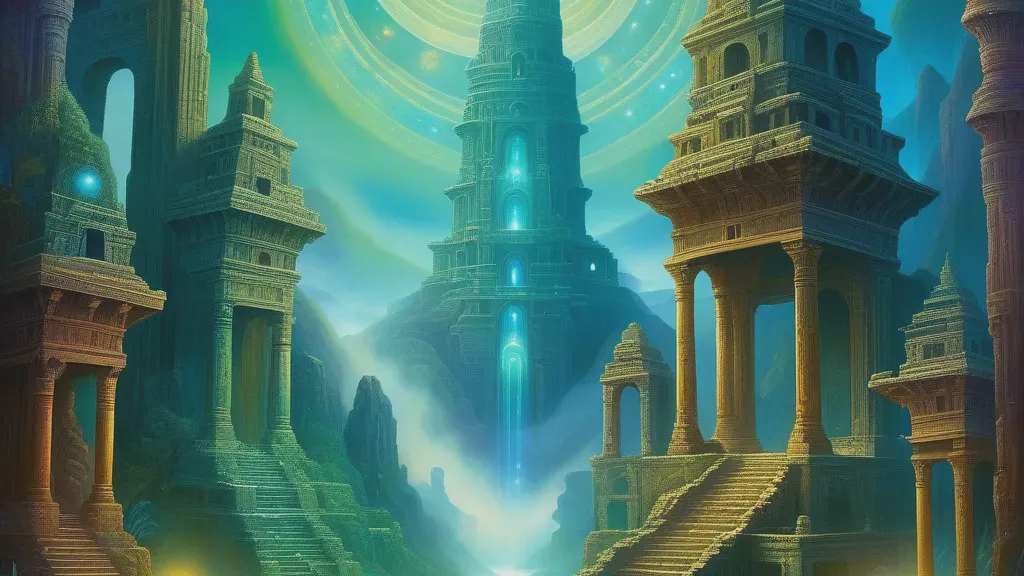
Lost City
Jungian Archetypes
Meaning
Dreaming of a lost city symbolizes the search for identity and the exploration of forgotten parts of the self. It represents psychological mechanisms of nostalgia and the longing for lost potential or opportunities.
Psychological Interpretation
Jungian theory associates lost cities with the Great Mother archetype, representing safety and nurturing. Cognitive psychology may interpret it as a reflection of unfulfilled aspirations. Practically, it suggests a need to reconnect with one's roots or past experiences for guidance.
Cultural & Historical Origins
References to lost cities appear in mythologies like Atlantis from Plato's works, symbolizing lost wisdom. Similarly, the biblical tale of Babylon reflects themes of lost civilization and moral decline, emphasizing the cyclical nature of rise and fall.
Contextual Variations
You walk through a desert-like landscape and suddenly find an old city half-buried in sand. The streets feel familiar but the signs are unreadable, and every time you try to orient yourself, the buildings rearrange.
A lost city often reflects disconnection from your roots—identity, history, or a sense of “where you belong.” Psychologically, the unreadable signs point to confusion about your values or direction, as if your inner map is out of date.
You enter a city at night where all the lights are dim and people move like silhouettes. You keep searching for a landmark you remember, but it’s always missing, and you wake up with an aching need to find your way.
This can symbolize longing for meaning without clear answers—searching for identity in the dark. The missing landmark suggests you’re trying to locate an old self or past version of you that no longer fits.
You’re in a city that appears in your peripheral vision but never fully comes into focus. When you finally get close, the city dissolves into water, leaving you holding nothing but damp air.
Dissolving boundaries can reflect fear that belonging is temporary or unreachable. Psychologically, it may indicate that your mind is testing whether your identity can survive change—or whether you rely too heavily on external confirmation.
Frequently Asked Questions
What does a lost city usually symbolize in a dream?
Why do I keep searching for landmarks that never appear?
Does the dream mean I’m unhappy with my current life?
Journaling Prompts
- Where in your waking life do you feel most “unoriented”—work, relationships, family roles, or personal identity?
- What did the city look like emotionally (warm, cold, eerie, hopeful), and what might that color your current self-view?
- If the city had a message you couldn’t read, what would you guess it was trying to tell you about belonging?
Related Symbols
Dreamed about Lost City?
Get a personalized AI interpretation that connects this symbol to your specific life circumstances.
Interpret My Dream