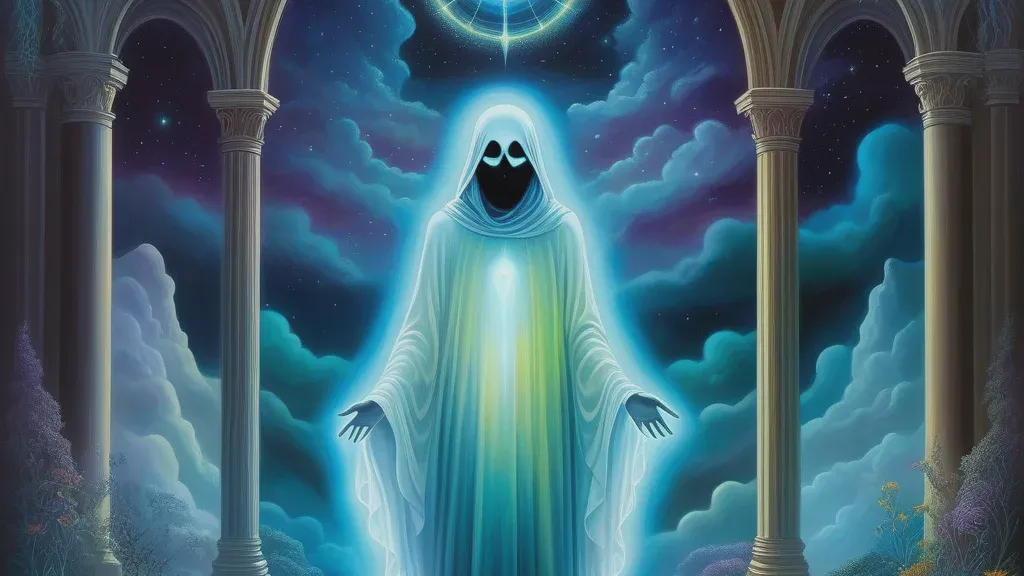
Ghost
Jungian Archetypes
Meaning
The ghost represents unresolved emotions, unfinished business, and the parts of yourself or your past that haunt you. This symbol embodies the shadow, repressed memories, and the need for closure or integration. Dreams of ghosts often reflect psychological material that demands attention or acknowledgment.
Psychological Interpretation
In Jungian psychology, the ghost archetype represents the Shadow and unintegrated aspects of the Anima/Animus. Ghosts symbolize psychological content that has been repressed, denied, or left unresolved. The ghost's presence suggests you are being called to acknowledge and integrate these hidden aspects, to find closure, or to release what no longer serves you.
Traditional Symbol Meaning
The symbol of the ghost in dreams carries a rich tapestry of meanings across various cultures and historical contexts. In many Western traditions, ghosts are often associated with the spirits of the deceased who have unfinished business or unresolved issues. This interpretation stems from the belief that these spirits may seek closure or wish to communicate with the living. Dreaming of a ghost may indicate that the dreamer is grappling with their own feelings of loss, guilt, or unresolved emotions related to someone who has passed away. The presence of a ghost in dreams can serve as a reminder to confront these feelings and find a way to move forward. In contrast, Eastern interpretations, particularly within Buddhist and Taoist traditions, view ghosts as manifestations of attachment and desire. In these cultures, the presence of a ghost in a dream may signify that the dreamer is clinging to past relationships, experiences, or desires that hinder spiritual growth. Dreams featuring ghosts can serve as a wake-up call to release these attachments and embrace a more harmonious existence. Indigenous traditions often see ghosts as ancestral spirits, emphasizing the connection between the living and the dead. In this context, dreaming of a ghost can represent guidance from ancestors, urging the dreamer to heed their wisdom or learn from past mistakes. Historically, the interpretation of dreams involving ghosts has evolved, reflecting societal attitudes towards death and the afterlife. In medieval Europe, dreams of ghosts were often seen as omens or warnings, suggesting that the dreamer might be in danger or needed to take heed of a significant life change. In contrast, during the Romantic era, ghosts became romanticized figures, representing lost love or nostalgia. This shift illustrates how cultural narratives shape the understanding of ghostly symbols in dreams, highlighting the importance of context in dream interpretation. Traditional wisdom suggests that encountering a ghost in a dream may serve multiple purposes. It could be a call to acknowledge and process grief, a prompt to examine personal attachments, or a message from the spiritual realm. The meaning of a ghost in dreams can vary significantly based on the dreamer's personal experiences and cultural background. By exploring these diverse interpretations, individuals can gain deeper insights into their dreams and the underlying emotions that may be influencing their waking lives. As dreamers engage with this symbol, they may find opportunities for healing, reflection, and connection with their own histories and ancestral legacies.
Gestalt / Parts of Self
In Gestalt Psychology, dreams are viewed as a reflection of the dreamer's inner world, where each element can represent different parts of the self. When a ghost appears in a dream, it often symbolizes unresolved issues, repressed emotions, or aspects of the self that have been neglected or denied. The ghost can be seen as a projection of the dreamer's fears, regrets, or memories that haunt them, suggesting that there are parts of their psyche that need acknowledgment and integration. This spectral figure may represent a lost part of the self, such as a forgotten aspiration or an unhealed wound, inviting the dreamer to confront these lingering aspects for personal growth. The deeper psychological significance of encountering a ghost in a dream can reveal common themes of loss, fear of the unknown, or the struggle with one's past. Ghosts often embody feelings of guilt or unresolved conflicts, indicating that the dreamer may need to address these lingering emotions to move forward. This symbol can also highlight the tension between the dreamer's current identity and the parts of themselves they have disowned. By recognizing and integrating these ghostly aspects, the dreamer can work towards a more cohesive sense of self, allowing for healing and transformation. Dreaming about a ghost might indicate that the dreamer is currently grappling with unresolved issues in their life, such as a relationship that has ended, a significant life change, or unfulfilled desires. It may point to a need for closure or the importance of processing grief and loss. This dream can serve as a reminder that to fully embrace one's present, it is essential to confront and own the past. The presence of a ghost can be a call to engage with these hidden parts of the self, fostering a deeper understanding of one's emotions and experiences. Practical psychological insights from this interpretation suggest that dreamers take time to reflect on what the ghost represents in their life. Journaling about the emotions tied to the ghostly figure can be a powerful tool for self-exploration. Engaging in dialogue with this figure in the dream can also facilitate integration, allowing the dreamer to reclaim lost aspects of themselves. By acknowledging and processing these feelings, individuals can move towards a more authentic and complete self, ultimately leading to personal empowerment and emotional well-being.
Jungian / Archetypal
In Jungian and Analytical Psychology, the symbol of a ghost in dreams often represents aspects of the unconscious mind that have not been fully integrated into the conscious self. Ghosts can embody repressed memories, unresolved emotions, or parts of the self that have been neglected or denied. This aligns with Jung's concept of the shadow, which consists of the darker, hidden aspects of our personality. When a ghost appears in a dream, it may signify that the dreamer is grappling with feelings of guilt, fear, or unresolved trauma that need to be acknowledged and integrated for personal growth. Moreover, ghosts can serve as archetypal figures within the collective unconscious, representing themes of loss, memory, and the passage of time. They may symbolize lingering attachments to past relationships or experiences that continue to haunt the dreamer. This haunting presence can reflect the need for the dreamer to confront and process these past events, as ignoring them may hinder their journey towards individuation—the process of becoming a whole and balanced self. In this way, the ghost acts as a messenger, urging the dreamer to explore their inner world and address what has been left unresolved. Dreaming of a ghost may also indicate that the dreamer is experiencing a transitional phase in their life. It can signify feelings of nostalgia or a longing for something that has been lost, whether it be a relationship, a way of life, or a part of their identity. This dream symbol can prompt the dreamer to reflect on their current life situation and consider what aspects of their past they may need to reconcile with in order to move forward. The presence of a ghost may suggest that the dreamer is at a crossroads, where acknowledging these past experiences can lead to healing and transformation. To gain practical insights from dreams involving ghosts, individuals can engage in self-reflection and journaling to explore their feelings and associations with the ghostly presence. It may be beneficial to ask questions such as: What emotions arise when I think of this ghost? What memories or experiences might this figure represent? By actively engaging with these questions, the dreamer can begin to uncover deeper truths about themselves and their life, ultimately paving the way for greater self-awareness and emotional healing. Embracing the messages of the ghost can facilitate a journey towards individuation, allowing the dreamer to reclaim lost parts of themselves and foster a more integrated sense of self.
Psychodynamic / Freudian
In psychodynamic psychology, the appearance of a ghost in dreams can be rich with meaning, often representing unresolved issues from the past or aspects of the self that have been repressed. The manifest content of a dream featuring a ghost might simply involve the dreamer encountering a spectral figure, but the latent content—the deeper psychological significance—reveals that this ghost symbolizes feelings of guilt, loss, or unresolved trauma. Ghosts can embody memories or emotions that the dreamer has not fully processed, suggesting that they are haunted by past experiences or relationships that continue to influence their current life. From a wish fulfillment perspective, the ghost may represent a longing for closure or reconciliation regarding something that remains unfinished in the dreamer's life. For instance, if the ghost is a deceased loved one, the dream might reflect the dreamer's desire to communicate unresolved feelings or seek forgiveness. This yearning can indicate a need to confront these emotions directly in waking life, as the presence of the ghost serves as a reminder of what needs to be addressed. In this way, the dream can act as a catalyst for healing, urging the dreamer to confront their fears or regrets rather than allowing them to linger in the shadows of their subconscious. Additionally, ghosts in dreams can highlight the use of defense mechanisms, such as repression or denial. The dreamer may be avoiding certain truths about themselves or their life situation, and the ghost serves as a manifestation of these hidden aspects. For example, if the dreamer is experiencing anxiety about a significant life change, the ghost could symbolize their fear of the unknown or the parts of themselves that resist change. Recognizing this symbolism can be a crucial step in the dreamer's journey toward self-awareness, as it encourages them to confront the emotions or situations they may be avoiding. Ultimately, dreaming of a ghost invites the dreamer to explore their inner world and assess what aspects of their past are still affecting them. By acknowledging these haunting figures, individuals can gain insight into their emotional landscape and take proactive steps toward healing. Engaging with these themes can lead to personal growth, as the dreamer learns to integrate their past experiences into their present, fostering a sense of wholeness and emotional resilience.
Contemporary Psychological
In contemporary psychology, particularly through the lenses of neuroscience and emotional processing, dreaming of a ghost can be interpreted as a manifestation of unresolved emotions or past experiences that continue to haunt the dreamer. Ghosts often symbolize aspects of the self that remain unacknowledged or repressed, such as guilt, grief, or unresolved trauma. The brain's emotional centers, particularly the amygdala and hippocampus, play crucial roles in processing these feelings and memories. When the brain consolidates memories during sleep, it may bring forth these ghostly figures as a way to address and integrate painful experiences that the individual has not fully processed while awake. The presence of a ghost in a dream can also reflect the psychological concept of threat simulation, where the brain rehearses responses to perceived dangers or unresolved conflicts. This can serve as a protective mechanism, allowing the dreamer to confront fears in a safe environment. For example, if a person dreams of being pursued by a ghost, it may indicate that they are avoiding certain emotions or situations in their waking life that they find threatening or overwhelming. This confrontation can lead to greater emotional awareness and ultimately facilitate healing as the dreamer learns to face their fears and integrate these experiences into their self-concept. Additionally, dreaming of ghosts can signify a yearning for connection with the past, whether it be a desire to reconnect with lost loved ones or to revisit significant life events. This longing can indicate that the dreamer is grappling with feelings of loss or nostalgia, suggesting that they may need to process grief or unresolved issues related to relationships. Such dreams can serve as an invitation for the dreamer to explore their inner world and examine how their past continues to influence their present, fostering a deeper understanding of their emotional landscape. For those experiencing dreams of ghosts, practical psychological insights can include engaging in reflective practices such as journaling or therapy to unpack and process these emotions. It may also be beneficial to explore mindfulness techniques that promote emotional regulation and self-awareness. By acknowledging and addressing the feelings and memories that the ghost symbolizes, dreamers can begin to release the hold of the past on their current lives, paving the way for personal growth and emotional healing.
Cultural & Historical Origins
Ghosts appear across cultures as manifestations of the dead and unresolved spiritual matters. In Chinese tradition, hungry ghosts represent unfulfilled desires and unresolved karma. Japanese Yūrei are spirits bound by strong emotions or unfinished business. In Celtic tradition, banshees and other spirits warn of death or unresolved family matters. Hindu and Buddhist traditions view ghosts as beings trapped between incarnations due to attachment or unresolved karma.
Contextual Variations
Being haunted by a ghost
Unresolved emotions or past trauma that continues to affect your present life and requires healing
Communicating with a ghost
Opportunity to resolve unfinished business, gain closure, or integrate disowned aspects of yourself
Frequently Asked Questions
Does dreaming of a ghost mean someone has died?
What if the ghost is threatening or scary?
Journaling Prompts
- What unresolved emotions or past experiences might the ghost represent, and what closure do you need?
- What aspects of yourself or your past are you avoiding, and how can you bring them into conscious awareness?
Related Symbols
Dreamed about Ghost?
Get a personalized AI interpretation that connects this symbol to your specific life circumstances.
Interpret My Dream