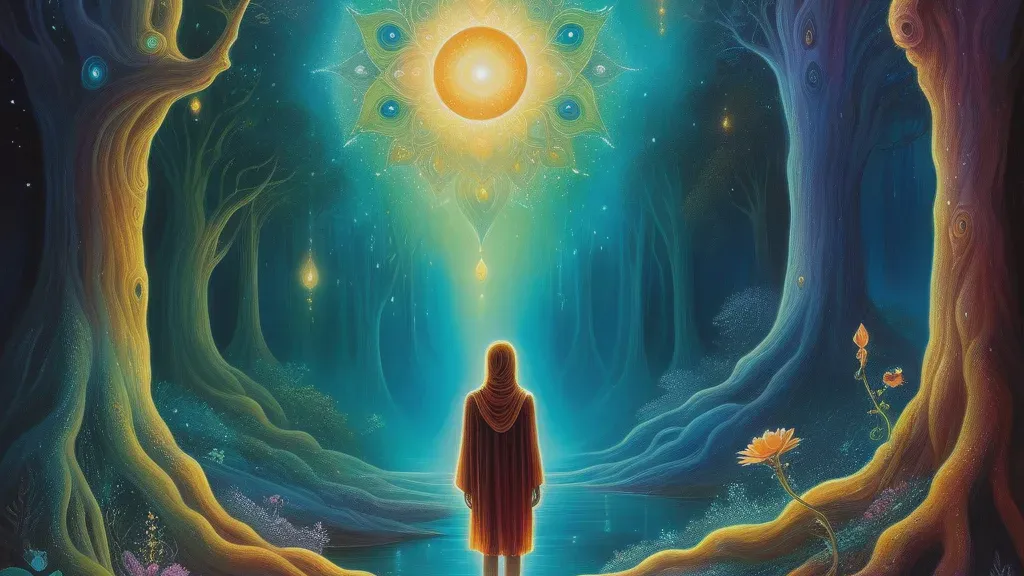
Fear Of Being Alone
Jungian Archetypes
Meaning
Dreaming of the fear of being alone often reflects deep-seated insecurities about connection and belonging. This fear can stem from attachment issues and a fundamental need for social acceptance.
Psychological Interpretation
Jungian analysis might link this fear to the Trickster archetype, challenging one's identity. Cognitive psychology sees it as a response to social anxiety, while practical psychology emphasizes the importance of building supportive relationships.
Traditional Symbol Meaning
The fear of being alone is a profound and complex dream symbol that resonates across various cultures and historical contexts. Traditionally, this fear is often interpreted as a reflection of one's inner emotional state, highlighting feelings of isolation, abandonment, or a deep-seated need for connection. In many Western traditions, dreams of loneliness may indicate unresolved issues related to self-worth or dependency on others for validation. Historically, figures such as Sigmund Freud emphasized the psychological implications of such dreams, suggesting they reveal the dreamer's anxieties about relationships and their own identity. In Eastern cultures, particularly within Buddhist and Taoist philosophies, the fear of being alone can carry different connotations. It may be seen as an opportunity for introspection and personal growth. Dreams that evoke feelings of solitude can be interpreted as calls to explore one's inner self and confront the ego's attachments to external validation. This perspective encourages individuals to embrace solitude as a pathway to enlightenment, suggesting that true fulfillment comes from within rather than from external relationships. Indigenous traditions often view the fear of being alone through a communal lens, emphasizing the interconnectedness of all beings. In many Native American cultures, dreams are considered messages from the spirit world, and feelings of loneliness might indicate a disconnection from one's community or ancestors. Such dreams could serve as a reminder to reconnect with one's roots and the collective wisdom of the tribe. This interpretation highlights the importance of community in shaping identity and emotional well-being, suggesting that dreams of solitude can prompt individuals to seek harmony with their surroundings. Throughout history, the symbolism of being alone in dreams has evolved, reflecting societal changes and cultural narratives. In contemporary interpretations, this symbol often aligns with modern anxieties surrounding social media, technology, and the paradox of feeling isolated in a hyper-connected world. Traditional wisdom across cultures suggests that while the fear of being alone can be daunting, it also offers valuable insights into the self. Embracing solitude in dreams can lead to self-discovery and ultimately foster a deeper understanding of one's place within the larger tapestry of life.
Contemporary Psychological
Dreaming about the fear of being alone often reflects deep-seated emotional processing and the brain's efforts to navigate social connections. From a contemporary psychology perspective, particularly through the lens of neuroscience, dreams serve as a mechanism for the brain to consolidate memories and process emotions. When individuals experience dreams that evoke feelings of loneliness or abandonment, it may indicate that their subconscious mind is grappling with unresolved emotions or past experiences related to social interactions. This fear may also activate neural pathways associated with threat simulation, where the brain rehearses responses to perceived dangers, including social isolation. The deeper psychological significance of this dream symbol often ties into themes of attachment and the need for social connection. Humans are inherently social beings, and the fear of being alone can stem from evolutionary roots where isolation posed significant survival risks. In dreams, this fear may manifest as scenarios where the dreamer feels abandoned or isolated, highlighting their anxieties about relationships or their self-worth. Such dreams can serve as a reflection of the dreamer's current life situation, indicating a possible struggle with loneliness, recent changes in social dynamics, or a need for emotional support. When someone dreams about their fear of being alone, it may reveal insights into their inner world. This could suggest that the dreamer is feeling disconnected from their social circle or is facing challenges in their relationships. It may also indicate a period of self-reflection where the individual is encouraged to explore their feelings of inadequacy or anxiety regarding intimacy and vulnerability. Addressing these feelings in waking life can be crucial for emotional well-being, as unresolved fears can lead to heightened anxiety and stress. Practical psychological insights from this interpretation suggest that individuals should take the time to reflect on their relationships and social needs. Engaging in open conversations with trusted friends or seeking professional support can help mitigate feelings of loneliness. Additionally, practicing self-compassion and mindfulness can aid in processing these fears, allowing the dreamer to build a healthier relationship with themselves and others. By understanding the roots of their fears within the context of their dreams, individuals can take proactive steps towards fostering deeper connections and enhancing their emotional resilience.
Gestalt / Parts of Self
In Gestalt Psychology, dreams are viewed as a reflection of the self, where each element represents a part of the dreamer's personality or psyche. The "fear of being alone" in a dream often symbolizes an aspect of the self that is grappling with feelings of isolation or abandonment. This fear can manifest as a projection of the dreamer's own insecurities and unresolved issues related to connection and belonging. By examining this fear within the dream, the individual is encouraged to explore how it relates to their waking life, particularly their relationships and emotional well-being. The deeper psychological significance of this symbol often revolves around themes of dependency and self-acceptance. A dream featuring the fear of being alone may indicate a struggle with self-worth or a longing for validation from others. It may suggest that the dreamer is not fully embracing certain parts of themselves or is projecting their fears onto external relationships. This can lead to a cycle of seeking reassurance from others, which may not provide the lasting fulfillment they desire. Recognizing this pattern within the dream can prompt the dreamer to confront their fears and work towards greater self-acceptance. Dreaming about the fear of being alone may also highlight the dreamer's current life situation, particularly if they are experiencing significant changes, such as a breakup, relocation, or loss of a loved one. These transitions can trigger feelings of vulnerability and uncertainty, amplifying the fear of solitude. The dream serves as a mirror, reflecting the inner turmoil and prompting the dreamer to acknowledge their emotional state. It can be an invitation to explore what it means to be alone and to cultivate a sense of inner peace and self-sufficiency, rather than relying solely on external relationships for validation. To gain practical psychological insights from this interpretation, dreamers can engage in self-reflection and journaling to identify the specific feelings and situations that evoke their fear of being alone. By integrating these insights, individuals can begin to take ownership of their emotions and work towards embracing solitude as a space for personal growth and self-discovery. This process may involve developing self-compassion, exploring hobbies that foster independence, or seeking supportive relationships that enhance rather than define their sense of self. Ultimately, addressing the fear of being alone within the dream context can lead to a more integrated and harmonious relationship with oneself.
Jungian / Archetypal
In Jungian psychology, the fear of being alone often manifests in dreams as a significant symbol reflecting the dreamer's relationship with their own psyche and the collective unconscious. This fear can represent an encounter with the shadow aspect of the self—those parts of the personality that are repressed or unacknowledged. When individuals dream of being alone, it may indicate a confrontation with their inner fears, insecurities, or unresolved conflicts. This dream symbol often serves as a catalyst for individuation, the process of integrating different aspects of the self to achieve wholeness. The dreamer is encouraged to explore what being alone represents for them, as it can reveal deeper truths about their emotional state and personal growth. The psychological significance of dreaming about the fear of being alone often ties into common themes such as abandonment, isolation, and the need for connection. In the context of archetypes, this fear may resonate with the "Orphan" or "Lover" archetype, highlighting a longing for companionship or acceptance. The dreamer might be grappling with feelings of inadequacy or a fear of rejection, which can stem from past experiences or societal pressures. By acknowledging and exploring these feelings within the dream, the individual may find opportunities for healing and self-discovery, ultimately leading to a greater understanding of their relational dynamics and emotional needs. When a dreamer experiences a fear of being alone, it may indicate that they are currently facing challenges in their waking life that provoke feelings of loneliness or disconnection. This could be related to changes in relationships, such as a breakup or moving to a new environment, or a deeper existential crisis questioning their sense of self and purpose. Such dreams can serve as an invitation to reflect on the importance of self-acceptance and the value of solitude. Embracing moments of solitude can lead to significant insights, allowing the dreamer to reconnect with their inner self and cultivate a more profound sense of autonomy and confidence. To gain practical insights from this dream symbol, individuals are encouraged to engage in self-reflection and journaling about their feelings toward solitude and connection. Exploring the emotions that arise when contemplating being alone can help illuminate underlying fears and desires. Additionally, integrating practices such as mindfulness or meditation can foster a healthier relationship with solitude, transforming it from a source of fear into a space for personal growth and rejuvenation. By addressing the fear of being alone through a Jungian lens, dreamers can embark on a journey toward greater self-awareness and emotional resilience.
Psychodynamic / Freudian
Dreams that revolve around the fear of being alone often reveal significant insights into the dreamer's inner emotional landscape, particularly from a psychodynamic perspective. In this framework, the manifest content of the dream—what is explicitly experienced—might involve scenarios of isolation, abandonment, or loneliness. However, the latent content—the underlying psychological meaning—suggests that these dreams may reflect deeper anxieties about connection, self-worth, and the fear of rejection. The fear of being alone can symbolize a longing for intimacy and a profound need for validation from others, highlighting the dreamer's potential struggles with self-identity and emotional dependency. From a psychodynamic standpoint, the fear of being alone can be understood as a defense mechanism against feelings of inadequacy and vulnerability. Such dreams may surface when individuals feel overwhelmed by their emotions or face situations that trigger insecurities about their relationships. The dreamer's subconscious mind might be using this symbol to express a wish for companionship or support, indicating a desire to escape from feelings of isolation. This longing for connection can be seen as a form of wish fulfillment, where the dream serves as a safe space to confront and explore these suppressed emotions without the risk of real-life consequences. Moreover, dreaming about the fear of being alone may point to unresolved conflicts stemming from early attachment experiences. If the dreamer has a history of unstable relationships or early childhood experiences characterized by neglect or abandonment, these dreams can manifest as a way of processing those past traumas. The recurring theme of loneliness can serve as a reminder of the importance of nurturing healthy relationships and addressing any underlying fears that may hinder emotional intimacy. This exploration can lead to greater self-awareness and an understanding of how past experiences shape current fears. For individuals experiencing such dreams, it is crucial to reflect on their current life situations and emotional needs. Engaging in self-reflection or journaling can help uncover the root causes of these fears and encourage proactive steps towards building meaningful connections. Additionally, seeking support from friends, family, or a mental health professional can provide the necessary guidance to navigate feelings of loneliness. Ultimately, understanding the fear of being alone through this psychodynamic lens can empower dreamers to confront their vulnerabilities, foster healthy relationships, and cultivate a deeper sense of self-acceptance.
Cultural & Historical Origins
In literature, Virginia Woolf's 'Mrs. Dalloway' explores the theme of loneliness and societal connection. Similarly, in existential philosophy, works like 'Being and Nothingness' by Sartre address the anxiety of isolation.
Contextual Variations
You call someone, but the phone keeps ringing with no answer, and the screen shows your location getting farther from everyone else.
This often reflects attachment anxiety—fear that connection won’t be there when you need it. The increasing distance can symbolize perceived emotional separation even if you’re physically surrounded.
You’re at a party where people laugh, but when you turn around, your chair is always empty and no one notices you left.
The unnoticed absence suggests fear of invisibility and not being chosen. Psychologically, it can point to low confidence in your belonging or a history of feeling overlooked.
In your home, every room grows quieter until only your footsteps remain, and you start apologizing to the silence.
Quiet that becomes hostile can represent internalized rejection—your mind treating solitude as abandonment. Apologizing suggests you may believe you must earn closeness by minimizing yourself.
Frequently Asked Questions
Why does dreaming about being alone make me feel panicky?
What does it mean if people are present but I still feel alone?
Does this dream mean I need more social connection?
Journaling Prompts
- When I felt alone in the dream, what did I fear would happen next—abandonment, failure, rejection, or helplessness?
- What did I do to prevent loneliness (call, chase, apologize, hide), and which of those strategies do I use in waking life?
- What kind of connection would actually soothe me—reassurance, shared activity, honest conversation, or consistent presence?
Related Symbols
Dreamed about Fear Of Being Alone?
Get a personalized AI interpretation that connects this symbol to your specific life circumstances.
Interpret My Dream