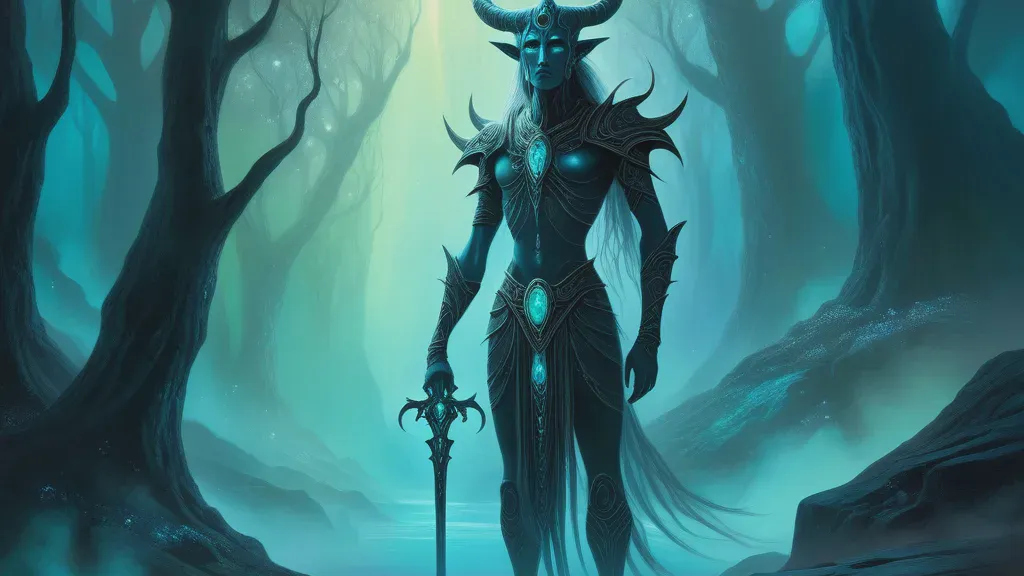
Draugr
Jungian Archetypes
Meaning
A draugr dream surfaces when the “old self” feels reanimated—grief, trauma, or past identities that won’t stay buried. The mind externalizes intrusive memories to make them feel contained, predictable, and confrontable.
Psychological Interpretation
Jung: Shadow as a reappearing corpse-self; Persona may glamorize denial until it “rises.” Cognitive: intrusive recollection with threat appraisal. Practical: treat it like an unprocessed grief loop—name triggers, then practice exposure/meaning-making.
Cultural & Historical Origins
Draugr are from Icelandic/Norwegian folklore: undead guardians in sagas like Grettis saga. They also parallel Scandinavian “haugbui” burial-mound spirits; later echoes appear in Nordic horror literature.
Contextual Variations
At night, you hear knocking from under a floorboard, and a draugr rises slowly, wearing an old version of your face like it’s reclaiming you.
A draugr often symbolizes the reanimation of an “old self” tied to grief, trauma, or a past identity. The old face implies identity overlap—your psyche may be trying to integrate what was buried rather than letting it remain dormant.
You find a draugr in a childhood room, and it speaks in a voice that sounds like someone you used to be afraid of.
This suggests unresolved emotional learning is resurfacing—your mind externalizes it as a creature to make it confrontable. The childhood room indicates the origin of the pattern, while the borrowed voice points to learned threat responses.
You try to burn or bury the draugr again, but every time you do, it returns with the same calm expression and waits for you to look away.
Repeated attempts to bury it reflect avoidance rather than integration. Psychologically, the draugr’s calm can indicate that the issue is not gone—it’s waiting for attention, boundaries, and a new narrative that includes what happened.
Frequently Asked Questions
Why did the draugr feel like it was wearing my past self?
Does a draugr dream mean I’m haunted by trauma?
What does it mean if I tried to re-bury the draugr but it returned?
Journaling Prompts
- What “old self” feels reanimated right now, and what emotion is driving it (grief, fear, shame, anger)?
- In the dream, what did the draugr want from you—attention, recognition, a look away—and what might that correspond to in waking life?
- What would integration look like for me: what action would show my psyche I’m ready to hold the past differently?
Related Symbols
Dreamed about Draugr?
Get a personalized AI interpretation that connects this symbol to your specific life circumstances.
Interpret My Dream