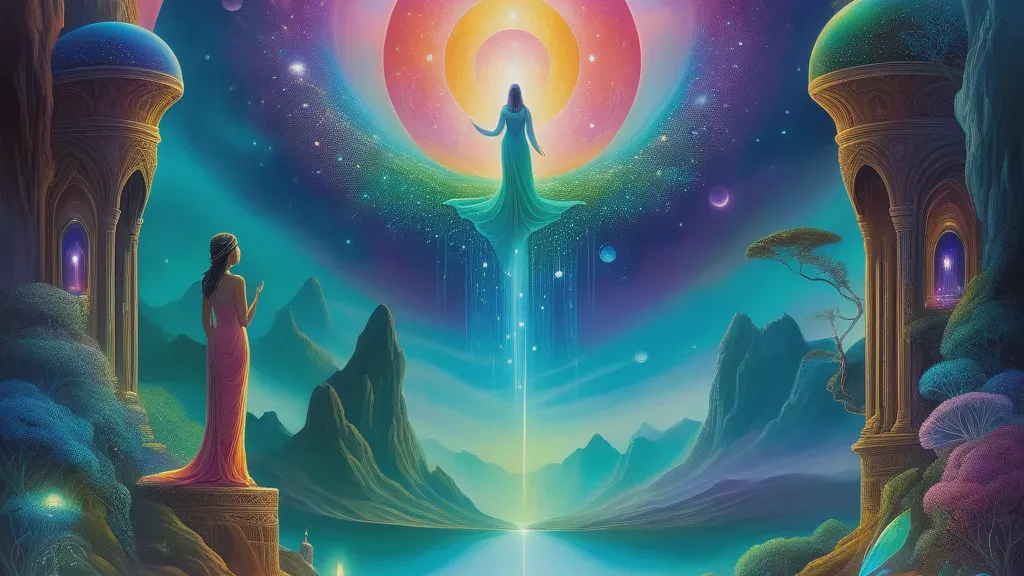
Paradox
Jungian Archetypes
Meaning
A paradox in dreams — where contradictions are simultaneously true, impossible situations feel self-evident, or logic curves back on itself — signals that the dreamer's rational mind is being stretched past its usual categories. These dreams often carry an uncanny authority: the dreamer knows the paradox is true even while knowing it cannot be, and that felt certainty is the point.
Psychological Interpretation
Jung identified paradox as the native language of the unconscious, arguing that the Self — the totality of the psyche — can only be described paradoxically: it is both the source of the ego and its transcendence, both personal and transpersonal, both within time and outside it. Dreams of paradox frequently erupt at inflection points in the individuation process, when the ego's binary logic must dissolve to allow a genuinely larger psychological container to form.
Traditional Symbol Meaning
The concept of paradox in dreams has historically been a rich source of interpretation across various cultures. In many Western traditions, a paradox often signifies a conflict between the conscious and unconscious mind. This duality can reflect internal struggles, where opposing desires or beliefs coexist within the dreamer. For instance, a dream featuring a paradox may reveal a tension between one's aspirations and fears, suggesting that the dreamer is grappling with choices that seem mutually exclusive. This interpretation aligns with the views of early psychoanalysts like Carl Jung, who posited that dreams serve as a bridge between the conscious self and the deeper, often contradictory aspects of the psyche. In Eastern traditions, particularly within Buddhism and Taoism, paradoxes are embraced as a fundamental aspect of existence. Dreams that embody paradoxical elements can be seen as invitations to transcend dualistic thinking. For example, a dream might present a scenario where the dreamer experiences both joy and sorrow simultaneously, encouraging a deeper understanding of the interconnectedness of all emotions. This perspective suggests that such dreams are not merely reflections of conflict but rather opportunities for enlightenment and personal growth, urging the dreamer to explore the complexity of their inner world. Indigenous cultures often view paradoxical dreams as messages from the spirit world or ancestors, indicating that the dreamer is at a crossroads or facing significant life changes. In these contexts, paradoxes might symbolize the balance between different forces, such as life and death, or the seen and unseen. Dreaming of a paradox can be interpreted as a call to harmonize these opposing elements, reflecting the holistic worldview prevalent in many indigenous belief systems. The wisdom imparted through these dreams encourages individuals to seek balance and understanding in their waking lives, recognizing that contradictions can coexist and offer valuable insights. Throughout history, the interpretation of paradox in dreams has evolved, yet its essence remains rooted in the exploration of duality and complexity. Traditional wisdom often emphasizes the importance of embracing contradictions as a pathway to greater self-awareness. Whether viewed through the lens of psychological conflict, spiritual enlightenment, or cultural symbolism, paradoxical dreams invite individuals to delve into the multifaceted nature of their experiences. By acknowledging and reflecting on these dreams, one can foster a deeper connection to their inner self and the broader tapestry of life.
Contemporary Psychological
In the realm of contemporary psychology, the symbol of "paradox" in dreams often signifies the complex interplay of conflicting emotions, thoughts, or situations in the dreamer's waking life. From a neuroscience perspective, dreams serve as a vital mechanism for emotional processing and memory consolidation. When a dreamer encounters a paradox, it may reflect an internal struggle or a situation where two opposing forces coexist, highlighting the brain's effort to reconcile these contradictions. This can be particularly relevant in moments of uncertainty or transition, where the dreamer may feel torn between different choices or emotions. The deeper psychological significance of paradoxes in dreams often revolves around the themes of ambiguity and duality. These dreams can reveal the dreamer's subconscious grappling with issues that lack clear resolutions, such as conflicting desires, moral dilemmas, or complex relationships. This duality can stimulate cognitive flexibility, as the brain attempts to navigate these contradictions, fostering new insights and perspectives. In this way, paradoxical dreams can serve as a catalyst for personal growth, encouraging the dreamer to explore the nuances of their feelings and thoughts rather than adhering to a binary understanding of their circumstances. Dreaming about a paradox may indicate that the dreamer is currently facing a situation in their waking life that feels overwhelming or confusing. It can highlight feelings of ambivalence towards a decision, relationship, or life path, suggesting that the dreamer is in a state of cognitive dissonance. This inner conflict can manifest as anxiety or indecision, prompting the dreamer to confront these feelings to achieve a clearer understanding of their desires and motivations. Such dreams can serve as a mirror, reflecting the dreamer's need to integrate disparate aspects of their identity or life situation. From a practical psychological standpoint, engaging with paradoxical dreams can offer valuable insights for personal development. Dreamers are encouraged to reflect on the specific contradictions present in their lives and consider how these may be influencing their emotional well-being. Journaling about these dreams can help to clarify thoughts and feelings, allowing for a deeper exploration of the underlying issues. By embracing the complexity of paradoxes, individuals can cultivate resilience and adaptability, learning to navigate life's uncertainties with greater ease and understanding.
Gestalt / Parts of Self
In the realm of Gestalt Psychology, dreams serve as a rich tapestry woven from various elements of the self, and the symbol of "paradox" can hold profound significance. Paradoxes in dreams often represent conflicting aspects of the dreamer's personality or life circumstances. For instance, you might dream of a situation where you are both a leader and a follower, reflecting the internal struggle between your desire for autonomy and the need for connection. This duality suggests that the dreamer is grappling with different facets of their identity, highlighting the importance of acknowledging and integrating these opposing forces to achieve a more cohesive sense of self. The deeper psychological significance of encountering paradoxes in dreams lies in their ability to reveal unresolved tensions within the psyche. Common themes associated with this symbol include ambivalence, indecision, and the quest for balance. For example, dreaming about a paradox may indicate that the dreamer is facing a crucial life decision where they feel torn between two equally compelling choices. This internal conflict can lead to feelings of confusion or anxiety, suggesting that the dreamer may benefit from exploring these tensions more deeply. By recognizing and owning these paradoxical elements, individuals can begin to integrate them into their consciousness, fostering personal growth and self-acceptance. Dreaming of a paradox may also reflect the dreamer's current life situation, particularly if they are experiencing significant changes or transitions. Such dreams can serve as a mirror, revealing the complexities of their emotions and thoughts. For instance, if you are navigating a relationship where you feel both love and resentment, a paradoxical dream may emerge, urging you to confront these mixed feelings rather than suppress them. This acknowledgment can lead to healthier relationships and a more authentic expression of self, as the dreamer learns to embrace the full spectrum of their experiences. To gain practical psychological insights from dreams featuring paradoxes, individuals can engage in self-reflection and journaling. Consider exploring the conflicting aspects represented in your dream and how they relate to your waking life. Ask yourself questions like, "What parts of myself am I struggling to accept?" or "How can I find harmony between these opposing forces?" By actively engaging with these paradoxes, the dreamer can foster a deeper understanding of their inner world, paving the way for integration and personal transformation. Embracing paradoxes can ultimately lead to a richer, more nuanced perspective on life, encouraging individuals to appreciate the complexity of their experiences and identities.
Jungian / Archetypal
In Jungian and Analytical Psychology, the symbol of "paradox" in dreams often represents the complexity of the human psyche and the interplay of opposing forces within the self. Paradox embodies the dualities that exist in our lives, such as good and evil, joy and sorrow, or strength and vulnerability. Jung believed that these contradictions are essential for individuation, the process of integrating various aspects of the self to achieve a harmonious whole. When a dream presents a paradox, it may signal the dreamer's struggle to reconcile conflicting feelings or beliefs, highlighting the need to embrace ambiguity and uncertainty as part of their personal growth. The deeper psychological significance of paradox in dreams can be linked to the concept of the shadow, which consists of the repressed or denied aspects of the self. Encountering a paradox in a dream may indicate that the dreamer is confronted with parts of themselves that they have yet to acknowledge or integrate. For instance, a dream featuring a paradoxical situation might reveal an internal conflict where the dreamer feels torn between societal expectations and personal desires. This confrontation with the shadow can be a powerful catalyst for self-discovery, urging the individual to explore the hidden dimensions of their personality and ultimately leading to greater self-awareness. Dreaming about a paradox can also reflect the dreamer's current life situation, particularly during times of transition or uncertainty. It may suggest that the individual is grappling with decisions or circumstances that seem contradictory or illogical. For example, a dreamer facing a career change might experience a paradoxical scenario that encapsulates their fears and aspirations. This type of dream serves as a reminder that life's complexities often require a nuanced understanding and acceptance of the multifaceted nature of our experiences. It encourages the dreamer to embrace the ambiguity and to seek balance amidst conflicting emotions. To derive practical psychological insights from dreaming about paradox, individuals can engage in reflective practices such as journaling or dialogue with their inner selves. By exploring the conflicting elements represented in the dream, the dreamer can gain clarity on their feelings and motivations. Additionally, recognizing that paradox is a natural part of life can foster resilience, allowing the dreamer to navigate challenges with a more open and accepting mindset. Ultimately, embracing the paradox within can lead to a deeper understanding of oneself and a more profound connection to the collective unconscious, where shared human experiences reside.
Psychodynamic / Freudian
In the realm of psychodynamic psychology, the symbol of a "paradox" in dreams often serves as a rich representation of the complexities and contradictions present in the dreamer's inner world. From the perspective of manifest content, a paradox might appear as conflicting situations or characters that embody opposing qualities, such as love and hate, success and failure, or freedom and confinement. These surface-level contradictions can reflect the dreamer's conscious awareness of conflicting emotions or situations in their waking life. However, the latent content—the underlying meaning—reveals deeper psychological themes and unresolved conflicts that the dreamer may not fully acknowledge. The presence of a paradox in dreams can indicate a struggle with wish fulfillment, where the dreamer grapples with desires that seem mutually exclusive. For instance, a dream featuring a paradoxical scenario might suggest that the dreamer yearns for both independence and connection, highlighting a tension between personal aspirations and relational commitments. This internal conflict can manifest as anxiety or dissatisfaction in waking life, signaling a need for the dreamer to reconcile these opposing desires. By exploring these paradoxes, the dreamer may gain insight into their motivations and the ways in which they navigate their relationships and personal goals. Moreover, paradoxes in dreams can also serve as a reflection of the defense mechanisms employed by the dreamer. For instance, a dream that features contradictory elements may reveal the dreamer's use of rationalization or denial to cope with uncomfortable truths about themselves or their circumstances. This can be particularly significant when the dreamer is facing situations that challenge their self-perception or belief systems. Recognizing these defense mechanisms can empower the dreamer to confront their fears and anxieties, leading to greater self-awareness and emotional growth. Ultimately, encountering a paradox in a dream can be an invitation for introspection and self-discovery. It encourages the dreamer to examine the dualities present in their life, fostering a deeper understanding of their emotional landscape. By acknowledging and integrating these contradictions, the dreamer may find pathways to balance and resolution, transforming internal conflicts into opportunities for personal development. Engaging with the themes of paradox in dreams can thus provide valuable insights into the complexities of the human psyche and the journey towards self-acceptance.
Cultural & Historical Origins
Zen Buddhism deliberately weaponizes paradox through the koan — riddles such as "What was your face before your parents were born?" or "What is the sound of one hand clapping?" — designed to exhaust the rational mind until conceptual thinking breaks down and direct insight (satori) becomes possible. Heraclitus of Ephesus similarly held that the logos structuring reality is inherently paradoxical: "The road up and the road down are one and the same," and "We step and do not step into the same rivers."
Contextual Variations
Entering a room that is simultaneously vast and impossibly small
A characteristic encounter with archetypal space, where the usual rules of physical reality are suspended. This spatial paradox signals that the psyche has entered a numinous zone — a place where the collective unconscious communicates directly, beyond the limits of the ego's categories.
Being two distinct people simultaneously
An identity paradox that signals the ego is being asked to expand beyond its current definition of self. What feels like an impossible contradiction — being oneself and someone else at once — is the psyche's enactment of the individuation demand: incorporate the excluded other into a larger selfhood.
Something revealed to be both true and false at the same moment
The most epistemological form of the paradox dream — a direct confrontation with the limits of propositional truth. These dreams appear when the dreamer is approaching a moral, relational, or philosophical realization that cannot be captured in a simple statement, requiring instead a felt complexity.
Frequently Asked Questions
What does it mean when dream logic feels completely impossible but also deeply true?
Should I try to solve or interpret the paradox in my dream?
Are paradox dreams more common during certain life periods?
Journaling Prompts
- What contradiction in my waking life am I refusing to fully hold — forcing into premature resolution when it actually needs to remain open and live?
- Where is my thinking most rigid right now, and what would it genuinely cost me — in relationships, identity, or comfort — to question that certainty?
- What impossible truth does this dream seem to be pointing toward — and what would it mean for how I live if both sides of the paradox were equally real?
Related Symbols
Dreamed about Paradox?
Get a personalized AI interpretation that connects this symbol to your specific life circumstances.
Interpret My Dream