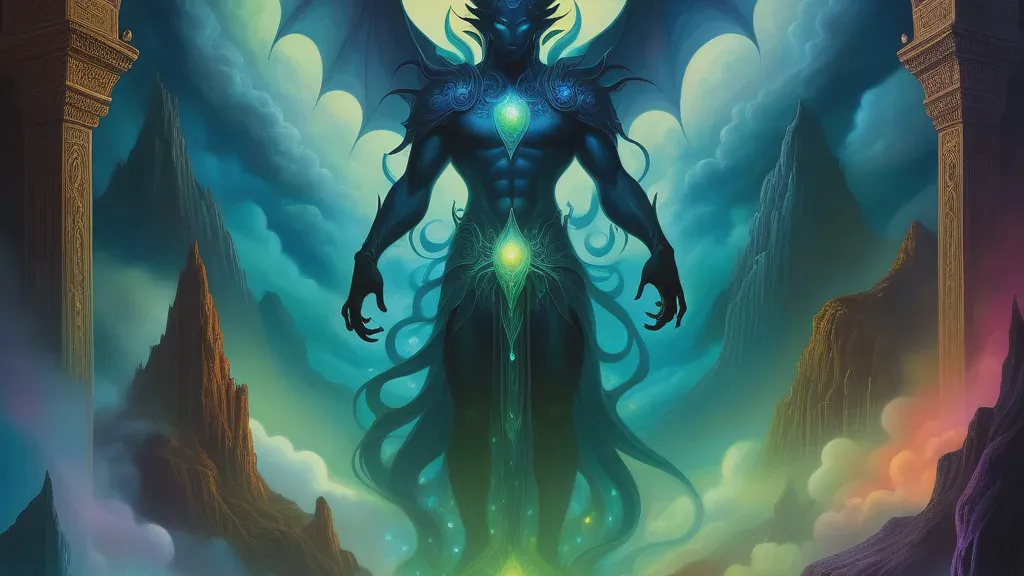
Demon
Jungian Archetypes
Meaning
Demons in dreams represent repressed fears, destructive impulses, or aspects of yourself that feel dangerous or uncontrollable. They embody the shadow self—the parts of your psyche you reject or deny. These figures often emerge when you're struggling with guilt, shame, or internal conflict.
Psychological Interpretation
From a Jungian perspective, demons symbolize the Shadow archetype—the repository of everything the conscious mind rejects. They serve as Threshold Guardians, blocking access to deeper self-knowledge until you acknowledge and integrate these darker aspects. Confronting a demon in dreams suggests psychological growth through accepting your wholeness.
Traditional Symbol Meaning
The symbol of the "demon" in dreams has held a complex and multifaceted significance across various cultures and historical contexts. In Western traditions, particularly within Christian contexts, demons are often associated with evil, temptation, and moral failings. Dreaming of a demon may signify inner turmoil or the presence of repressed fears and desires. Historically, dreams featuring demons were sometimes interpreted as warnings of moral decay or spiritual danger, urging the dreamer to confront their darker impulses. In contrast, some indigenous cultures view demons as manifestations of personal or communal conflicts, suggesting that these dreams serve as a call to address unresolved issues or imbalances within oneself or the community. In Eastern traditions, such as Buddhism and Hinduism, demons are often seen as obstacles on the path to enlightenment. They symbolize ignorance, desire, and attachment, which can lead to suffering. Dreaming of a demon in these contexts may indicate that the dreamer is grappling with personal challenges that obstruct their spiritual growth. Similarly, in certain forms of shamanism, demons are not necessarily viewed as malevolent entities but rather as spirits that require understanding and integration. This perspective encourages dreamers to explore the underlying messages of their dreams, suggesting that confronting and reconciling with these darker aspects can lead to personal transformation. Throughout history, the interpretation of demons in dreams has evolved, influenced by cultural narratives and societal norms. In medieval Europe, for example, dreams of demons were often linked to witchcraft and the supernatural, reflecting the era's fears and superstitions. Conversely, in contemporary psychology, demons can be interpreted through the lens of Carl Jung's concept of the "shadow," representing the parts of the self that are often denied or hidden. This modern perspective encourages individuals to embrace and integrate these shadow aspects rather than fear them, suggesting that dreaming of demons can be an opportunity for self-discovery and healing. Traditional wisdom across cultures emphasizes the importance of context when interpreting dreams of demons. While some cultures may view these dreams as purely negative, others recognize them as essential for personal growth and self-awareness. Variations in meaning often depend on the dreamer's personal experiences, cultural background, and the specific characteristics of the demon encountered. Ultimately, understanding the symbolic significance of demons in dreams invites individuals to reflect on their fears, challenges, and the potential for transformation, offering rich insights into their inner lives.
Contemporary Psychological
In contemporary psychology, particularly through the lens of neuroscience and emotional processing, the appearance of a "demon" in dreams often symbolizes unresolved fears, anxieties, or internal conflicts. These figures may represent aspects of ourselves that we perceive as negative or threatening, often embodying our deepest insecurities or repressed emotions. From a neurological standpoint, dreams serve as a platform for the brain to process and consolidate memories, which can include emotional experiences tied to these darker aspects of our psyche. Thus, a demon in a dream may signal the brain's attempt to confront and integrate these challenging feelings. The deeper psychological significance of encountering a demon in dreams often relates to themes of powerlessness and emotional turmoil. Such dreams can arise during periods of stress or significant life changes, where the dreamer may feel overwhelmed by their circumstances. The demon may symbolize external pressures, such as societal expectations or personal relationships, that contribute to feelings of inadequacy or fear. In this way, the dream serves as a form of threat simulation, allowing the dreamer to rehearse coping strategies in a safe environment, thereby preparing them for real-life confrontations with their fears. Dreaming of a demon can also indicate a struggle with one's identity or self-perception. It may reflect an internal battle with negative self-talk or self-sabotaging behaviors that the dreamer is grappling with in their waking life. This symbol can serve as an invitation for introspection, urging the dreamer to explore the roots of these feelings and consider how they might be affecting their emotional well-being. By bringing these hidden fears to the surface, the dream provides an opportunity for healing and growth, encouraging the dreamer to confront and integrate these aspects rather than allowing them to remain repressed. For practical psychological insights, individuals who experience dreams featuring demons may benefit from engaging in reflective practices, such as journaling or therapy, to unpack the emotions associated with these dreams. Understanding the context in which the demon appears—such as the actions taken during the dream or the emotions felt—can provide valuable clues about the dreamer's current life situation. By acknowledging and addressing the fears represented by the demon, individuals can foster emotional resilience and work towards a more integrated sense of self, ultimately transforming these nightmarish figures into symbols of personal empowerment and growth.
Gestalt / Parts of Self
In Gestalt Psychology, dream elements are viewed as representations of different parts of the self, and a "demon" in a dream can symbolize aspects of the dreamer's psyche that they may be struggling to accept or integrate. This figure often embodies repressed emotions, fears, or unresolved conflicts. The demon may represent qualities such as anger, guilt, or shame that the dreamer finds difficult to confront in their waking life. By personifying these feelings as a demon, the dreamer is given a tangible form to engage with, allowing for the possibility of understanding and reconciling these darker aspects of themselves. The deeper psychological significance of encountering a demon in a dream often revolves around themes of internal conflict and the need for self-acceptance. This symbol can indicate that the dreamer is experiencing a struggle with their identity or is grappling with feelings that they perceive as negative or undesirable. Such dreams may arise during periods of significant life changes, stress, or when the dreamer is facing moral dilemmas. The presence of the demon prompts the dreamer to explore these uncomfortable feelings, suggesting that acknowledging and integrating these parts of the self can lead to personal growth and healing. Dreaming of a demon may also reflect the dreamer's current life situation, especially if they are feeling overwhelmed by external pressures or internal struggles. The demon could represent an aspect of their life that feels threatening or disruptive, such as a toxic relationship, a challenging work environment, or unresolved trauma. This dream serves as a reminder to confront these issues rather than suppress them. By recognizing the demon as a part of themselves, the dreamer can begin to take ownership of their emotions and experiences, fostering a sense of empowerment and agency. For practical psychological insights, individuals who dream of demons can benefit from engaging in self-reflection and self-compassion. Journaling about the emotions and situations that the demon represents can provide clarity and facilitate integration. Additionally, seeking therapy or support groups may help the dreamer process these feelings in a safe environment. Ultimately, recognizing the demon as a part of oneself encourages a journey toward wholeness, where all aspects of the self, including the darker ones, are acknowledged and embraced. This integration can lead to a more balanced and fulfilling life.
Jungian / Archetypal
In the realm of Jungian and Analytical Psychology, the symbol of a "demon" in dreams often signifies the presence of the shadow aspect of the self. The shadow represents the repressed, denied, or unacknowledged parts of our personality, including fears, desires, and impulses that we may find uncomfortable or socially unacceptable. When a dreamer encounters a demon, it may indicate that they are grappling with these darker aspects of their psyche, urging them to confront what they have hidden away. This confrontation is essential for the process of individuation, where an individual seeks to integrate all parts of themselves, leading to a more holistic sense of self. The deeper psychological significance of a demon in dreams can also be linked to archetypes within the collective unconscious. Demons can embody chaos, temptation, or destructive forces that challenge the dreamer’s moral and ethical boundaries. They may represent inner conflicts or external pressures that feel overwhelming. For many, this symbol can evoke feelings of fear, anxiety, or helplessness, yet it also serves as a powerful catalyst for growth. By facing these demons, the dreamer is given an opportunity to explore their fears and insecurities, ultimately leading to greater self-awareness and personal transformation. Dreaming about a demon may indicate that the dreamer is currently experiencing significant inner turmoil or conflict in their waking life. This could manifest as struggles with self-identity, unresolved emotional issues, or challenges in relationships. The presence of a demon suggests that there are aspects of the dreamer’s life that require attention and integration. Rather than avoiding these feelings, the dreamer is encouraged to embrace them, as doing so can lead to profound insights and healing. Acknowledging the existence of these darker elements can empower the dreamer to reclaim their personal power and foster resilience. Practical psychological insights from this interpretation suggest that when encountering a demon in dreams, individuals should take time for introspection. Engaging in self-reflection, journaling, or therapeutic practices can help illuminate the underlying issues represented by the demon. Exploring the emotions and thoughts associated with these dreams can facilitate a deeper understanding of oneself, promoting emotional healing and growth. By confronting and integrating the shadow, the dreamer not only moves closer to individuation but also transforms fear into a source of strength and wisdom.
Psychodynamic / Freudian
In the realm of psychodynamic psychology, the appearance of a "demon" in a dream can be a powerful symbol representing the dreamer's internal conflicts and repressed emotions. From this perspective, the manifest content—what the dreamer remembers upon waking—might involve vivid and frightening imagery of demons, while the latent content—the underlying meaning—points to deeper psychological struggles. Demons often symbolize aspects of the self that are deemed unacceptable or frightening, such as anger, guilt, or unresolved trauma. They can embody the darker facets of the psyche that the individual may be avoiding or suppressing in their waking life. The presence of a demon in a dream can also indicate wish fulfillment, albeit in a complex manner. While the dreamer may not consciously wish to confront their fears or negative emotions, the demon serves as a catalyst for this confrontation. The dream may reveal a desire for transformation or an urge to reclaim parts of the self that have been marginalized. In this way, the dream acts as a bridge to the unconscious, allowing the dreamer to explore feelings and thoughts that are typically kept at bay. The demon, therefore, becomes a representation of the dreamer's inner struggles and a call to acknowledge and integrate these shadow aspects. Furthermore, dreaming of a demon may highlight the use of defense mechanisms in the dreamer's life. For instance, if the dreamer frequently avoids facing certain emotions, the demon could symbolize the repressed feelings that are manifesting as a threatening figure in their dreams. This can suggest that the dreamer is experiencing anxiety or fear about confronting these issues in their waking life. The demon may serve as a reminder that avoiding these feelings can lead to greater internal conflict, urging the dreamer to engage with their emotions more openly and honestly. Ultimately, encountering a demon in a dream can provide valuable insights into the dreamer's inner world and current life situation. It encourages self-reflection and the examination of unresolved issues that may be affecting their mental and emotional well-being. By recognizing the demon as a symbol of their own fears and repressed emotions, the dreamer can begin to take steps toward healing and integration. Embracing these shadow aspects may lead to personal growth, greater self-awareness, and a more harmonious relationship with oneself.
Cultural & Historical Origins
Demons appear across cultures: in Christian theology as fallen angels opposing divine will, in Hindu tradition as asuras representing chaos and ego, and in Japanese folklore as oni embodying both destruction and protection. Medieval European demonology extensively catalogued these beings as manifestations of evil forces.
Contextual Variations
Being chased by a demon
You're running from an uncomfortable truth about yourself or avoiding confronting a difficult emotion or behavior pattern.
Defeating a demon
You're successfully integrating shadow aspects or overcoming a significant internal struggle or external threat.
Frequently Asked Questions
Does dreaming of demons mean I'm evil?
Should I be afraid of demon dreams?
Journaling Prompts
- What qualities does this demon possess that I reject in myself?
- If I could speak to this demon, what would it tell me about my hidden fears?
Related Symbols
Dreamed about Demon?
Get a personalized AI interpretation that connects this symbol to your specific life circumstances.
Interpret My Dream