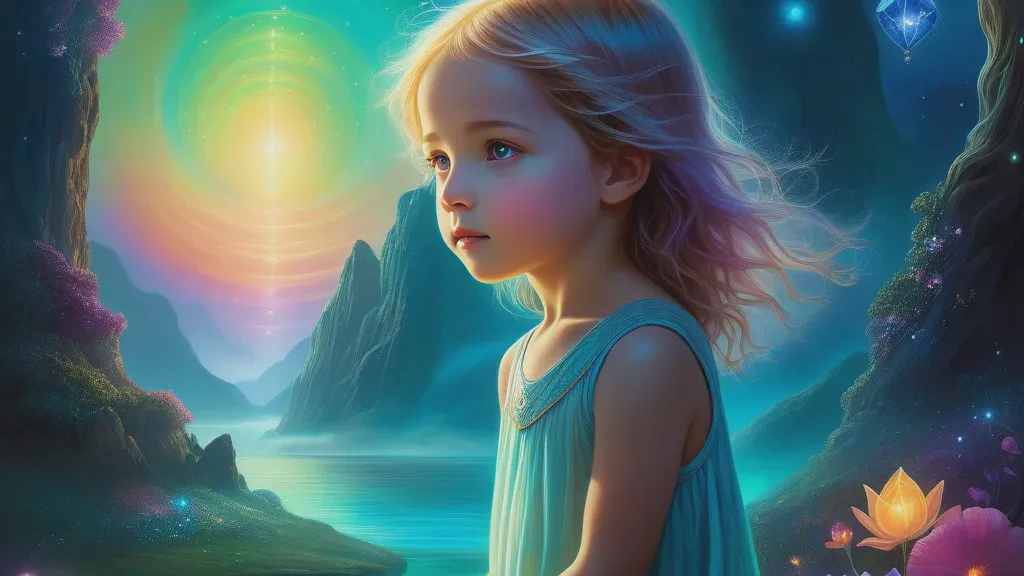
Child
Jungian Archetypes
Meaning
The child in dreams represents innocence, potential, vulnerability, and new beginnings. It embodies the part of ourselves that is curious, creative, and open to experience. Dreams of children often reflect our inner child, our capacity for growth, and our relationship with our own childhood.
Psychological Interpretation
In Jungian psychology, the child archetype represents the Self in its potential state and the divine child who brings renewal. A healthy child figure suggests integration of innocence with wisdom. Neglected or suffering children may indicate wounded aspects of the psyche or unmet childhood needs requiring attention and healing.
Traditional Symbol Meaning
The dream symbol of a "child" holds profound significance across various cultures and historical contexts, often representing innocence, potential, and new beginnings. In Western traditions, a child in dreams may symbolize the dreamer's own inner child, reflecting unresolved issues from childhood or a desire to reconnect with a more carefree, innocent state of being. This interpretation can also extend to feelings of vulnerability or the need for nurturing, suggesting that the dreamer may be seeking protection or support in their waking life. Historically, the child has been viewed as a harbinger of hope and renewal, embodying the possibility for growth and change. In Eastern cultures, particularly within Hindu and Buddhist traditions, children in dreams can represent spiritual rebirth or enlightenment. The child may symbolize purity and the potential for spiritual awakening, encouraging the dreamer to embrace simplicity and a fresh perspective. In indigenous cultures, children often embody the spirit of community and continuity, reminding individuals of their connection to ancestors and the importance of passing down wisdom. In these contexts, dreaming of a child can indicate a need to honor one's heritage and the collective knowledge of one's lineage. Throughout history, dream interpretations involving children have often highlighted themes of creativity and new ventures. For instance, in ancient Greek culture, dreams of children were sometimes seen as prophetic, indicating the birth of new ideas or projects. Similarly, in many African traditions, dreaming of a child may signify the arrival of new opportunities or the need to nurture one's aspirations. This cross-cultural perspective emphasizes the universal recognition of children as symbols of potential and the promise of future endeavors. Traditional wisdom suggests that dreaming of a child can serve as a reminder to embrace one's creativity and to nurture aspects of oneself that may have been neglected. It can also prompt reflection on one's responsibilities, both to oneself and to others. While the core meanings of this symbol remain consistent across cultures—innocence, potential, and renewal—variations in interpretation can arise based on individual experiences and cultural contexts. Ultimately, the child in dreams invites introspection and encourages individuals to explore their own paths of growth and development.
Contemporary Psychological
Dreaming of a child often evokes a rich tapestry of emotions and associations, particularly when viewed through the lens of contemporary psychology. From a neuroscience perspective, dreams featuring children may represent a manifestation of our inner child, symbolizing innocence, vulnerability, and the purest form of emotion. This connection to childhood can trigger memories and feelings that are deeply rooted in our past, serving as a bridge to unresolved issues or desires from earlier stages of life. The presence of a child in a dream may also reflect our emotional processing system at work, where the brain attempts to make sense of complex feelings related to nurturing, care, and protection. The deeper psychological significance of a child in dreams often revolves around themes of growth, potential, and the need for emotional healing. Children represent not only the joy of new beginnings but also the fragility of life and the responsibilities that come with adulthood. In this sense, dreaming of a child might indicate that the dreamer is grappling with their own vulnerabilities or is in a phase of self-discovery. It can highlight a longing for simpler times, a desire to reconnect with lost aspects of oneself, or even a reminder of the responsibilities that come with nurturing one's own emotional well-being or that of others. Examining the context of the dream is crucial, as the circumstances surrounding the child can offer insights into the dreamer's current life situation. For instance, if the child is happy and carefree, it may suggest that the dreamer is experiencing or yearning for joy and spontaneity. Conversely, if the child appears distressed or neglected, it could indicate unresolved emotional issues or fears about one's ability to care for oneself or others. This duality reflects the brain's threat simulation function, where dreams serve as a rehearsal for real-life scenarios, allowing individuals to confront and process fears, anxieties, and hopes related to their personal and social environments. For those who dream of children, practical psychological insights can be gleaned from these experiences. Reflecting on the emotions evoked by the dream can provide valuable clues about the dreamer's inner world. Journaling about the dream, considering the feelings associated with the child, and exploring any connections to current life challenges can facilitate emotional processing and memory consolidation. Ultimately, such dreams encourage individuals to embrace their vulnerabilities, acknowledge their past, and foster a nurturing relationship with their inner selves, which can lead to greater resilience and emotional health in waking life.
Gestalt / Parts of Self
In Gestalt psychology, the symbol of a "child" in dreams often represents a part of the self that embodies innocence, vulnerability, and potential. This aspect is not merely a reflection of one's own childhood but signifies the dreamer’s inner child—the portion of the psyche that retains feelings of wonder, creativity, and spontaneity. When you dream of a child, it may indicate a need to reconnect with these qualities or acknowledge emotions that have been suppressed or neglected. By recognizing the child within, the dreamer can begin to integrate these feelings into their current life, which can lead to personal growth and healing. The appearance of a child in dreams can also highlight themes of projection. Dreamers may project their own desires, fears, or unresolved issues onto the child figure. For instance, if the child appears joyful, it might symbolize the dreamer's unacknowledged happiness or the desire to embrace joy in their life. Conversely, a distressed child could represent anxiety or unresolved trauma from the past. Understanding these projections allows individuals to take ownership of their feelings and experiences, rather than attributing them solely to external circumstances or other people. This process of recognition is essential for emotional integration and self-awareness. Moreover, dreaming about a child can indicate the dreamer's current life situation, particularly concerning responsibilities and personal growth. If the dreamer is facing challenges in their waking life, the child may symbolize a call to nurture their inner self or to approach situations with a fresh perspective. This could be a reminder to embrace the qualities of curiosity and playfulness, even amidst difficulties. The child can serve as a guide, urging the dreamer to explore new possibilities or to heal past wounds that may be hindering their progress. To gain practical insights from such dreams, individuals are encouraged to reflect on their feelings about the child figure and the circumstances surrounding the dream. Journaling about these experiences can help illuminate aspects of the self that require attention or integration. Engaging in creative activities or play can also be beneficial, as these practices can foster a deeper connection with the inner child. Ultimately, recognizing and embracing this part of oneself can lead to a more balanced and fulfilling life, allowing for a harmonious blend of responsibility and joy.
Jungian / Archetypal
In Jungian and Analytical Psychology, the symbol of the "Child" in dreams holds profound significance, often representing the dreamer's inner self and the archetype of innocence, potential, and new beginnings. This archetype embodies not only the literal child but also the qualities associated with childhood, such as curiosity, creativity, and untainted joy. When a dreamer encounters a child in their dream, it can indicate a reconnection with these essential aspects of themselves, suggesting a need to nurture their own inner child or to embrace a more playful and spontaneous approach to life. The presence of a child in a dream can also highlight themes related to the shadow, which encompasses the repressed or denied parts of the self. Jung believed that the child archetype can serve as a bridge to the shadow, revealing vulnerabilities, fears, or unresolved issues from the dreamer's past. For instance, if the child appears distressed or abandoned, it may symbolize feelings of neglect or unmet emotional needs that require attention. This dream scenario invites the dreamer to confront these shadow aspects, fostering self-awareness and encouraging healing through acceptance and integration of these hidden parts. Moreover, dreaming about a child can signify a phase of individuation, the process through which an individual integrates various aspects of the self to achieve personal wholeness. This dream may signal a time for growth, suggesting that the dreamer is on the cusp of a new life chapter or personal transformation. It could also indicate the emergence of new ideas or projects that require nurturing and care, much like raising a child. Recognizing this potential can empower the dreamer to take actionable steps towards realizing their aspirations while remaining grounded in their authentic self. To derive practical psychological insights from these dreams, readers are encouraged to reflect on their relationship with their inner child. Engaging in creative activities, exploring past experiences, or even practicing self-compassion can facilitate this connection. Additionally, acknowledging any feelings that arise when dreaming of a child can provide valuable clues about unresolved issues or desires. By embracing the child archetype, individuals can cultivate a greater sense of joy and spontaneity in their lives, ultimately leading to a more fulfilling and integrated existence.
Psychodynamic / Freudian
In psychodynamic psychology, the symbol of a "child" in dreams often represents the dreamer's innermost desires, vulnerabilities, and aspects of their own psyche that may be repressed or unacknowledged. The manifest content, or the literal depiction of a child in the dream, can be straightforward—seeing a child playing, crying, or interacting with the dreamer. However, the latent content, which reveals the underlying meaning, suggests that the child symbolizes innocence, creativity, and potential. It may reflect the dreamer's longing for a simpler time in life, a desire for nurturing, or even a yearning to reconnect with their own inner child, which embodies joy and spontaneity. The appearance of a child in a dream can also indicate wish fulfillment, a core concept in psychodynamic theory. The dream may express a wish to return to a state of playfulness and freedom, or it might signify a desire for new beginnings, such as starting a family or embarking on a new creative project. Conversely, the child may evoke feelings of anxiety or fear, particularly if the child is in distress or danger. This could reflect the dreamer's unconscious fears about responsibility, parenting, or their ability to protect their own vulnerabilities. In this way, the child serves as a mirror to the dreamer's current emotional state and life circumstances. Moreover, dreaming of a child can highlight the use of defense mechanisms. For instance, if the dreamer experiences a child in distress, it may indicate that they are avoiding confronting their own unresolved issues from childhood or current life challenges. The dream could be a manifestation of denial, where the dreamer is not fully acknowledging their fears or responsibilities. Alternatively, if the child appears joyful and carefree, it may suggest that the dreamer is successfully integrating their playful and creative aspects into their life, signaling a healthy balance between adult responsibilities and personal joy. In practical terms, recognizing the significance of a child in dreams can offer valuable insights into the dreamer's inner world. It encourages self-reflection on their emotional needs, unresolved childhood issues, and current life challenges. Dreamers can benefit from exploring the feelings and themes associated with the child, considering how these elements relate to their waking life. Engaging with these insights can foster personal growth, enabling the dreamer to nurture their inner child while addressing any fears or anxieties that may arise. Ultimately, the child symbolizes a pathway to understanding one's deeper self and embracing a more fulfilling life.
Cultural & Historical Origins
The divine child appears in many mythologies: the Christ child in Christianity, Krishna in Hindu tradition, and Horus in Egyptian mythology. The Greek god Hermes was born as a precocious child, while the Norse tradition features Baldr as the beautiful child. These archetypal children symbolize hope, transformation, and cosmic renewal.
Contextual Variations
Playing with a happy child
Connection with your inner child, joy, creativity, and freedom of expression
A child in danger or distress
Vulnerability, unmet needs, or aspects of yourself requiring protection and nurturing
Frequently Asked Questions
What does it mean to dream of your own child?
Is dreaming of an unknown child significant?
Journaling Prompts
- What does your inner child need from you right now?
- How do you feel about the child in your dream, and what does that reveal about your own childhood?
Related Symbols
Dreamed about Child?
Get a personalized AI interpretation that connects this symbol to your specific life circumstances.
Interpret My Dream