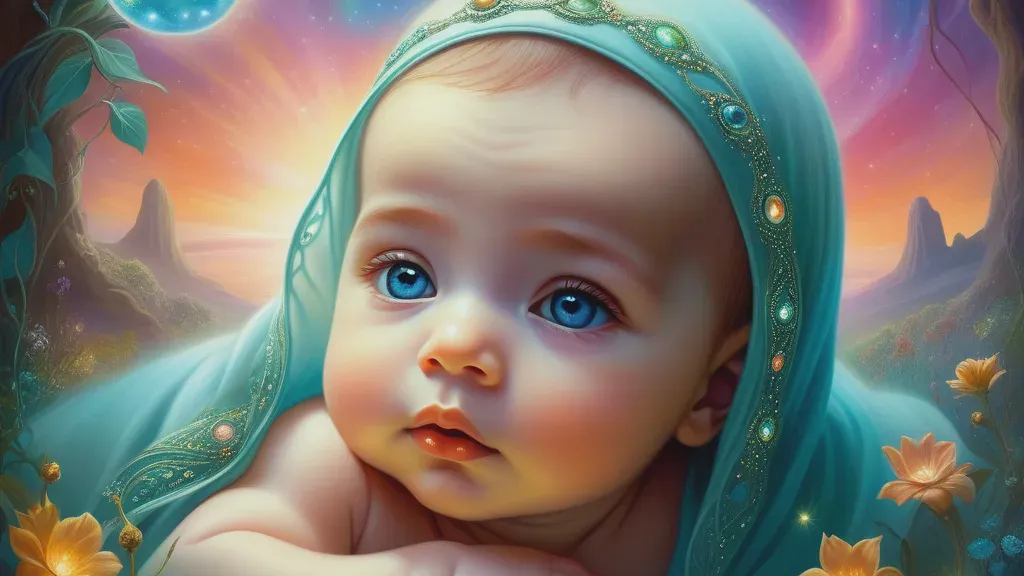
Baby
Jungian Archetypes
Meaning
A baby in dreams represents new beginnings, innocence, and vulnerability. It symbolizes potential, growth, and the emergence of new aspects of yourself or situations in your life.
Psychological Interpretation
From a Jungian perspective, the baby represents the Child archetype—your inner child, creativity, and potential. It can also reflect the Self in its nascent form, suggesting psychological rebirth or the integration of new conscious material.
Traditional Symbol Meaning
Across cultures and dream traditions, the baby has long symbolized new beginnings, hope, and the potential for growth and transformation. In many spiritual traditions, the baby represents the divine spark or soul in its purest form, untouched by the world's conditioning. The baby embodies innocence and vulnerability, reminding the dreamer of the fragility of new ventures and the care required to bring them to fruition. Traditionally, dreaming of a baby often signals a period of renewal—whether literal (pregnancy or birth), creative (a new project or idea), or psychological (a fresh start or new phase of life). The baby also carries associations with the past, evoking memories of one's own childhood and the formative experiences that shaped the dreamer's sense of self. In many cultures, babies in dreams are considered auspicious signs, portending good fortune, blessing, and the arrival of something precious.
Contemporary Psychological
From a contemporary neuroscience perspective, the baby in a dream often reflects the brain's processing of themes related to vulnerability, responsibility, and new beginnings in the dreamer's waking life. The dream may be a threat simulation, rehearsing the dreamer's capacity to handle dependency, care-giving, or the challenges of starting something new. If the dreamer is anticipating parenthood, a new project, or a significant life transition, the baby serves as the brain's way of emotionally preparing for these changes and integrating the associated anxieties and hopes. The dream may also indicate memory consolidation of recent experiences involving nurturing, protection, or the witnessing of new life. The emotional tone of the dream—whether it evokes tenderness, anxiety, or overwhelm—signals the dreamer's current emotional state regarding growth, responsibility, and their capacity to nurture themselves or others.
Gestalt / Parts of Self
From a Gestalt perspective, the baby in a dream is a disowned part of the dreamer's own self—the vulnerable, dependent, needy aspect that the dreamer may have learned to suppress or reject. The dream invites the dreamer to recognize and reclaim this part, to own the legitimate needs for care, support, and nurturing that exist within them. The baby represents innocence and openness, qualities that the adult self may have abandoned in favor of toughness or self-sufficiency. By encountering the baby in the dream, the dreamer is being called to integrate this softer, more vulnerable dimension back into their whole self. The dream asks: What part of your own innocence and openness have you disowned? What would it mean to hold and care for this vulnerable part of yourself with compassion rather than judgment?
Jungian / Archetypal
In Jungian psychology, the baby represents the Self in its nascent form—the emerging wholeness and potential that lies at the center of the psyche. The baby embodies the archetype of the Divine Child, a symbol of renewal, transformation, and the beginning of a new psychological phase. When a baby appears in dreams, it often signals that something new is being born within the dreamer's inner world, whether that is a new aspect of consciousness, a creative capacity, or a fundamental shift in identity. The vulnerability of the infant also points to the tender, undeveloped nature of this emerging potential; it requires protection, nurturing, and conscious attention to develop fully. The baby can also represent the dreamer's connection to their own inner child—the source of spontaneity, wonder, and authentic desire that may have been neglected or forgotten in the pursuit of adult responsibilities.
Psychodynamic / Freudian
Psychodynamically, the baby often represents repressed wishes for dependency, care, and unconditional love—desires that may have been deemed unacceptable in the dreamer's early family environment. The manifest content of holding or caring for a baby may mask the latent wish to be held and cared for oneself, a longing that has been defended against through independence or self-reliance. The baby can also symbolize the dreamer's own infantile impulses—aggression, neediness, or sexuality—that have been repressed and are now seeking expression in disguised form. Alternatively, the baby may represent a feared or rejected aspect of the self that the dreamer has tried to keep unconscious. The dream's emotional tone—whether tender, anxious, or rejecting—reveals the dreamer's relationship to their own dependency needs and the early relational patterns that shaped how they manage vulnerability.
Cultural & Historical Origins
In many cultures, the baby symbolizes hope and renewal. Greek mythology associates infants with divine potential (Zeus hidden as a baby). Hindu traditions view the child as representing Brahman consciousness. Celtic mythology honors the divine child as a symbol of transformation and new cycles.
Contextual Variations
Holding a baby
Suggests the dreamer is nurturing a new aspect of themselves or taking responsibility for something precious and vulnerable. May indicate readiness to care for others or to develop a new capacity within oneself. Can also reflect the dreamer's desire to be held and comforted, projected onto the image of holding an infant.
A crying baby
Often represents unmet needs—either the dreamer's own needs for attention and care, or a new project or aspect of self that is demanding recognition. The crying may signal anxiety about one's capacity to respond adequately to responsibility, or frustration with dependency and neediness (one's own or others').
A lost or forgotten baby
Indicates that the dreamer has abandoned or neglected a vulnerable part of themselves or a promising new beginning. May reflect guilt about not nurturing a creative project, relationship, or aspect of one's potential. Suggests the need to reconnect with what has been forgotten or left behind.
A newborn
Emphasizes the freshness and rawness of a new beginning—something that has just emerged and is still in its earliest stages. May represent a newly discovered aspect of self, a fresh perspective, or the very beginning of a creative or personal transformation.
A sick or injured baby
Suggests anxiety about a vulnerable new beginning or aspect of self that feels threatened or damaged. May reflect concern about one's capacity to protect or nurture something precious, or fear that a new venture will not survive or thrive.
Frequently Asked Questions
What does it mean if I dream about having a baby when I'm not pregnant?
Why do I feel anxious when I dream about babies?
Is dreaming about a baby always a positive sign?
Journaling Prompts
- What new beginning or creative potential is emerging in my life right now? How does the baby in my dream reflect my feelings about this new development?
- What vulnerable or dependent part of myself have I neglected or rejected? What would it mean to hold and care for this part with compassion?
- If the baby in my dream could speak, what would it tell me about my needs, my potential, or my capacity to nurture myself and others?
Related Symbols
Dreamed about Baby?
Get a personalized AI interpretation that connects this symbol to your specific life circumstances.
Interpret My Dream