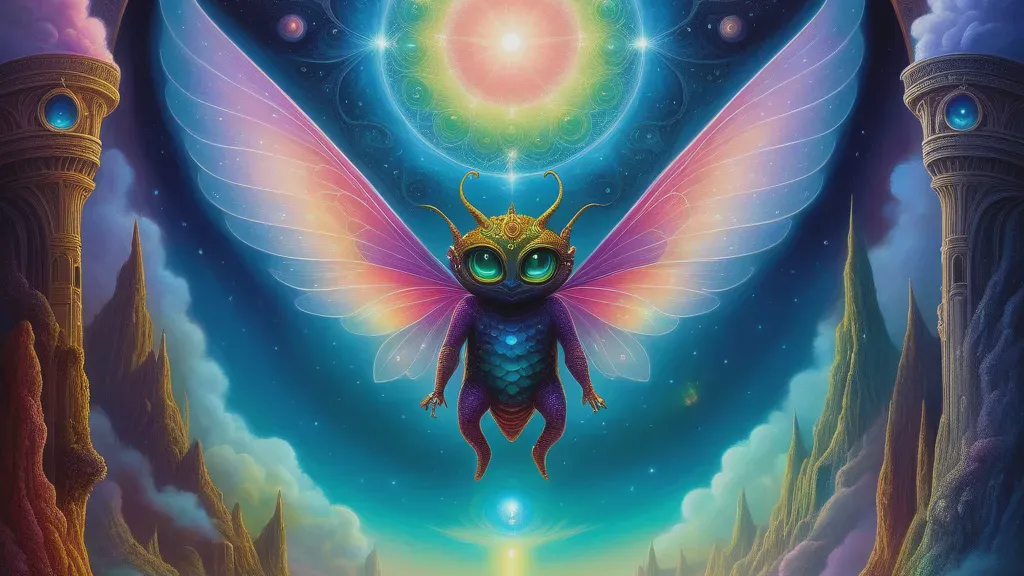
Beelzebub
Jungian Archetypes
Meaning
Dreaming of Beelzebub often signifies internal conflict or moral dilemmas. Psychologically, it can represent the shadow self, embodying repressed fears or desires that seek acknowledgment and integration.
Psychological Interpretation
From a Jungian perspective, Beelzebub embodies the Shadow archetype, representing darker aspects of the psyche. Cognitive psychology might analyze it as a confrontation with guilt or shame, while practical psychology emphasizes the need for self-acceptance.
Cultural & Historical Origins
In Christian demonology, Beelzebub is linked to gluttony and temptation, often depicted in texts like 'Paradise Lost' by John Milton. In ancient texts, he was worshiped as a god of flies, symbolizing decay and corruption.
Contextual Variations
Beelzebub appears in your workplace hallway, offering you a shortcut; when you refuse, the hallway becomes quiet and the lights stabilize.
Beelzebub in dreams commonly represents temptation, inner conflict, and confrontation with darker impulses. Psychologically, refusing the shortcut suggests you’re actively choosing integrity over immediate gain, and your mind is testing the boundary.
You argue with Beelzebub, but every point you make turns into an accusation you’ve made against yourself; the argument ends with you sitting down and listening.
This can symbolize that the “enemy” is internalized harsh self-judgment. Psychologically, the shift from argument to listening indicates readiness to integrate difficult feelings without letting them control your decisions.
Beelzebub laughs and transforms into someone you trust, then you realize you were ignoring warning signs; you back away and feel fear turn into clarity.
Transforming into a trusted figure suggests how temptation can wear familiar faces. Psychologically, it points to denial or selective attention—your psyche is forcing recognition of inconsistencies so you can protect yourself.
Frequently Asked Questions
Does dreaming of Beelzebub mean something bad will happen?
Why does Beelzebub feel like it knows my weaknesses?
What does it mean if I cooperate with Beelzebub in the dream?
Journaling Prompts
- What “shortcut” or bargain did Beelzebub offer, and what did it cost emotionally in the dream?
- Which warning sign did you ignore—what felt familiar, persuasive, or convenient?
- How did the fear resolve (into clarity, shame, anger, relief), and what does that resolution suggest you need?
Related Symbols
Dreamed about Beelzebub?
Get a personalized AI interpretation that connects this symbol to your specific life circumstances.
Interpret My Dream