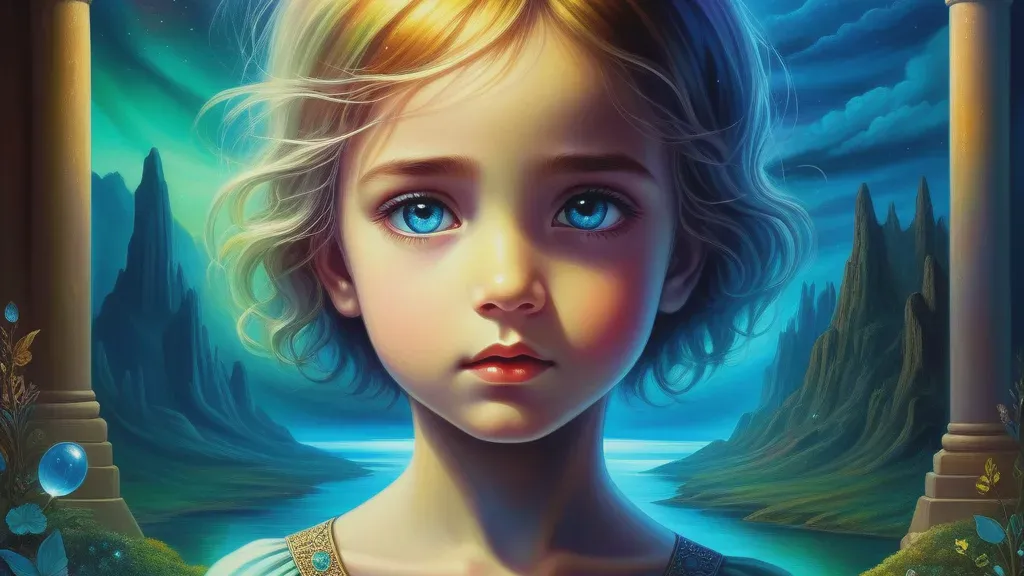
Sadness
Jungian Archetypes
Meaning
Dreaming of sadness often indicates unresolved emotional pain or loss. Psychologically, this reflects a need to confront and process grief, suggesting that the subconscious is urging integration of these feelings for healing.
Psychological Interpretation
From a Jungian perspective, sadness may signify the shadow aspect of the psyche needing acknowledgment. Cognitive psychology may interpret it as a response to stressors, while practical psychology highlights the importance of expressing emotions for mental health.
Cultural & Historical Origins
Cultural references include the concept of sorrow in Greek tragedies, where it serves as a cathartic experience, and the Jewish practice of sitting shiva, acknowledging loss and grief within a community context.
Contextual Variations
You’re in a room with no windows, and a slow rain falls inside. You cry quietly but feel a strange relief, like the tears are cleaning something.
Dreaming of sadness often indicates grief or loss that hasn’t been fully processed. Psychologically, the contained room and cleansing rain suggest emotional release is possible when you allow sadness to be felt safely.
You hear someone laugh far away, but you can’t find them. The laughter makes your sadness sharpen, and you wake with a heavy chest.
This can reflect sadness mixed with loneliness or fear of being left behind. Psychologically, it may point to unmet needs for connection—your mind highlighting how certain cues intensify emotional pain.
You try to comfort a child who is crying, but you realize you’re the one who needs comfort. When you hold the child gently, your own sadness softens.
Sadness interacting with a child figure often signals inner-child grief or vulnerability seeking care. Psychologically, it suggests self-compassion as the method of healing—treating your own pain with tenderness rather than dismissal.
Frequently Asked Questions
Does dreaming of sadness mean I’m depressed?
Why do I feel worse after a sadness dream?
What if the sadness in the dream is connected to someone else?
Journaling Prompts
- What specific loss, disappointment, or unmet need does your sadness most closely resemble right now?
- Where in your body did the sadness show up in the dream, and what might that location represent emotionally for you?
- What would it look like to comfort yourself the way you would comfort the child in the dream?
Related Symbols
Dreamed about Sadness?
Get a personalized AI interpretation that connects this symbol to your specific life circumstances.
Interpret My Dream