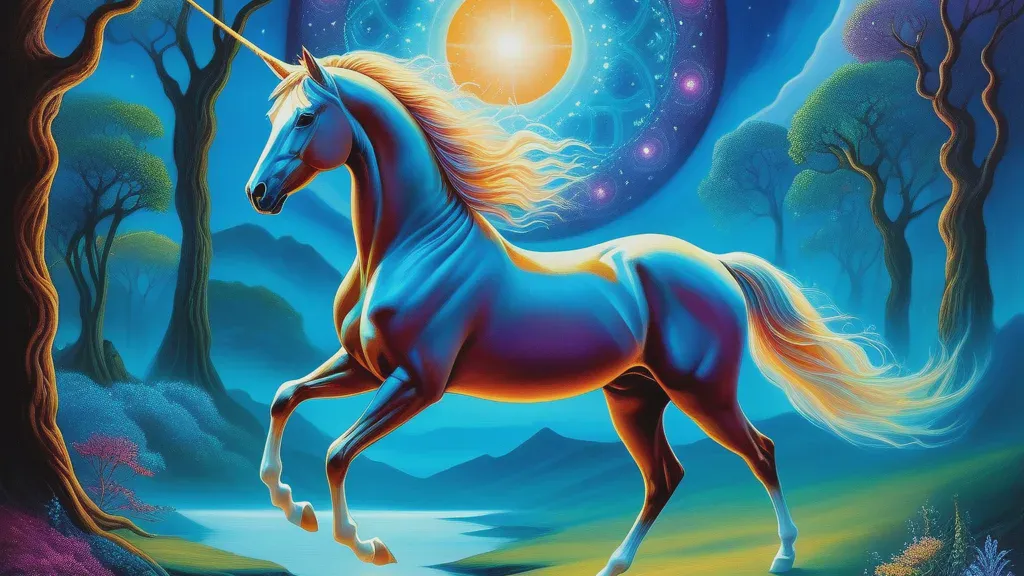
Prancing
Jungian Archetypes
Meaning
Dreaming of prancing symbolizes joy and freedom of expression, reflecting the psychological mechanism of release. This indicates a desire to embrace spontaneity and a break from constraints in daily life.
Psychological Interpretation
From a Jungian perspective, prancing connects to the archetype of the Hero, representing triumph. Cognitive psychology views it as a manifestation of positive emotions, while practical psychology emphasizes the importance of playfulness for mental health.
Cultural & Historical Origins
In Renaissance art, figures are often depicted prancing as symbols of unrestrained joy, reflecting the cultural value of celebration. Similarly, in folklore, fairies and sprites are frequently described as prancing, embodying freedom and enchantment.
Contextual Variations
You’re in a street you recognize, but the dream turns it into a stage. You start prancing—light steps, playful posture—and strangers smile as if they understand without you explaining. You feel free and a little silly, and the dream’s mood stays warm instead of awkward.
Prancing reflects joy and self-expression that feels safe enough to be visible. Psychologically, it can indicate you’re reclaiming playfulness and experimenting with a more confident, embodied version of yourself.
You prance through a hallway full of reminders of responsibility—calendars, bills, and locked doors. Each time you prance, the objects blur and you can breathe again. When you stop prancing, the pressure returns immediately, as if play was the only way your system could reset.
Using prancing to dissolve stress suggests play as regulation—your psyche’s method for restoring vitality. It may point to burnout signals and the need to reintroduce spontaneity as a legitimate coping tool.
You prance in front of someone who looks serious, and they don’t laugh at first. Then your prancing becomes more rhythmic and confident, and their expression softens. The dream ends with you realizing you can be both expressive and taken seriously.
This version highlights learning to combine authenticity with social acceptance. Psychologically, it suggests you’re working through the fear that joy will be dismissed, and you’re practicing being fully yourself without losing respect.
Frequently Asked Questions
Why did prancing feel joyful instead of embarrassing?
What does it mean if prancing made stress disappear?
Does prancing mean I’m avoiding something?
Journaling Prompts
- What kind of joy did prancing represent for me—freedom, confidence, relief, or connection?
- Where do I need to reintroduce play so my nervous system can reset?
- What would it look like to express myself more openly in one small waking-life moment?
Related Symbols
Dreamed about Prancing?
Get a personalized AI interpretation that connects this symbol to your specific life circumstances.
Interpret My Dream