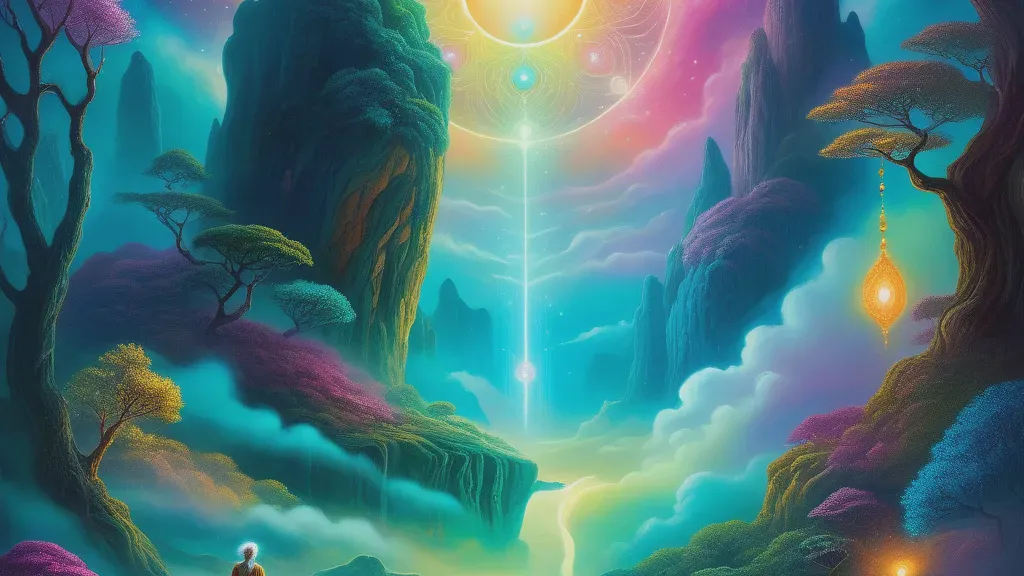
Karma
Jungian Archetypes
Meaning
Dreaming of karma often signifies reflection on past actions and their consequences. Psychologically, it embodies the principle of cause and effect, prompting self-examination of moral and ethical decisions in one’s life.
Psychological Interpretation
Jungians might interpret karma as part of the Hero's journey, emphasizing personal growth through challenges. Cognitive psychology focuses on the awareness of choices, while practical psychology relates it to accountability and the pursuit of personal integrity.
Cultural & Historical Origins
In Hinduism, karma is a core concept, emphasizing the moral law of cause and effect. Similarly, in Buddhism, it influences rebirth and ethical conduct, teaching that every action has repercussions, deeply ingrained in spiritual narratives.
Contextual Variations
You watch a chain reaction of events on a screen: one small action you took earlier now causes a big outcome, and you feel responsible.
Karma dreams often focus on cause-and-effect anxiety—how your choices ripple forward. Psychologically, it can indicate a need to repair, correct, or reframe past decisions without becoming trapped in regret.
In the dream, you try to undo a mistake by repeating the same day, but each attempt changes one detail and leads to a different consequence.
Repeating days suggests you’re seeking control over uncertainty and trying to earn safety through perfection. Psychologically, the changing outcomes point to learning rather than punishment—your mind is asking you to integrate rather than replay.
Someone else receives consequences you think they don’t deserve, and you feel angry at the fairness of the system.
This can reflect a conflict between your need for justice and your awareness of how messy reality is. Psychologically, it may highlight moral outrage, frustration with powerlessness, or a desire to restore balance through your own actions.
Frequently Asked Questions
Why do I dream about karma when I’m doing my best?
Does karma in a dream mean something bad is coming?
How do I interpret karma if the consequences involve other people?
Journaling Prompts
- What action in the dream felt like the “cause,” and what real-life pattern might it represent?
- Do I want to change the past, or do I want to change how I respond now—what does the dream push me toward?
- Where do I feel powerless about consequences, and how could I influence the next step instead of replaying?
Related Symbols
Dreamed about Karma?
Get a personalized AI interpretation that connects this symbol to your specific life circumstances.
Interpret My Dream