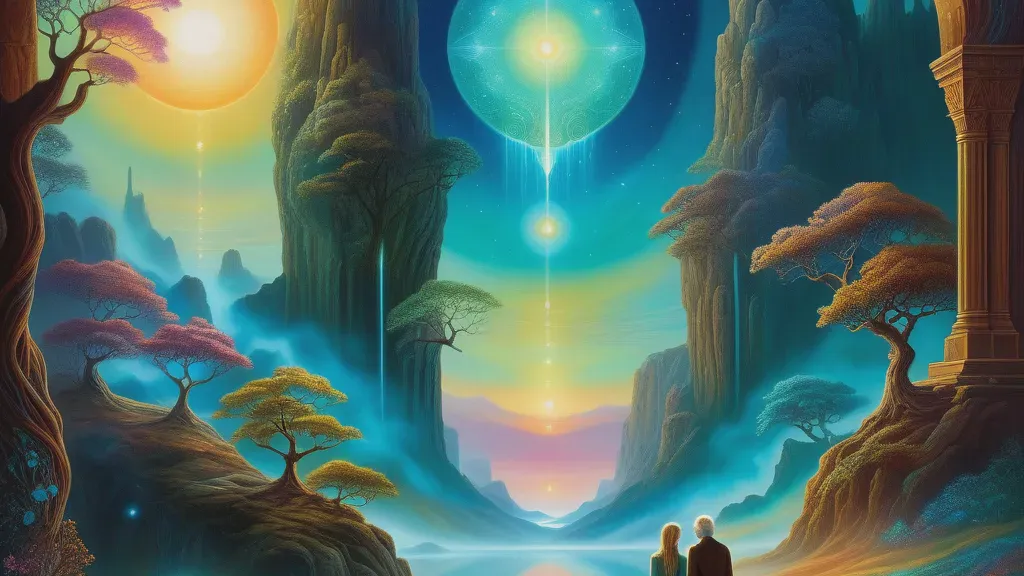
False Dawn
Jungian Archetypes
Meaning
Dreaming of a false dawn often reflects psychological disillusionment. This symbol may arise when individuals face unmet expectations or false hope, signaling internal conflicts between desires and reality.
Psychological Interpretation
From a Jungian lens, false dawn may signify the shadow self, revealing fears of inadequacy. Cognitive psychology suggests it represents cognitive dissonance, where awareness of unfulfilled aspirations creates anxiety. Practically, it can indicate a need for reassessment of goals.
Cultural & Historical Origins
In Greek mythology, the concept of 'Eos' represents the dawn, often depicted as bringing enlightenment or false hope. Similarly, in Native American traditions, the 'false dawn' can symbolize a misinterpretation of omens, warning against superficial beliefs.
Contextual Variations
You wake in the dream to brightening skies, hear birds, and feel hope—then the light fades and the world turns gray again. You watch the horizon repeatedly brighten, but each time it collapses back into darkness.
False dawn commonly reflects hope that keeps getting interrupted—your mind rehearsing disappointment to prepare you for letdowns. Psychologically, it can indicate cognitive dissonance: wanting change while your body expects betrayal or reversal.
You’re waiting for a loved one to arrive, and every morning you see sunrise through a window. The person never comes, and instead you hear footsteps retreat as the day “starts” and then abruptly ends.
This points to longing mixed with expectation fatigue. The repeated sunrise can mirror how you keep renewing your hopes for reunion or reassurance, while your psyche records that the promise hasn’t held.
A mentor figure tells you, “This time it’s real,” and you watch the sky turn gold. Right when you step outside, the light becomes a stage light—manufactured—and you feel embarrassed for believing.
This scenario highlights mistrust, self-blame, or fear of being fooled. It may suggest you’re questioning your judgment about people or opportunities, and the dream is asking you to separate genuine progress from wishful thinking.
Frequently Asked Questions
Why does the sunrise keep failing in my dream?
Does it mean I shouldn’t hope?
What does embarrassment or anger in the dream usually mean?
Journaling Prompts
- Where in my life do I repeatedly feel “morning is coming,” and what happens right after I believe it?
- What do I want the sunrise to prove—and what evidence would actually confirm it for me?
- Which part of me feels betrayed when the light fades, and what protection does that part need?
Related Symbols
Dreamed about False Dawn?
Get a personalized AI interpretation that connects this symbol to your specific life circumstances.
Interpret My Dream