Domesticating
Jungian Archetypes
Meaning
Dreams about domesticating may indicate a desire for control over chaotic aspects of life. This symbolizes the integration of wild, instinctual behaviors into a manageable framework, addressing inner conflicts.
Psychological Interpretation
Jungian analysis sees this as an attempt to harmonize the wild aspects of the self. Cognitive psychology suggests it reflects learning processes, while practical psychology highlights the need for structure in personal development.
Cultural & Historical Origins
In Norse mythology, the domesticating of animals was crucial for survival, as seen in the story of Thor and his goats. Similarly, Aesop's Fables often portray domestication as a moral lesson about control and responsibility.
Contextual Variations
You try to tame a wild animal inside your home, but instead of calming it, you keep rearranging furniture to control where it can move. The animal eventually stops, not because it’s tamed, but because it’s exhausted.
Domesticating in dreams often reflects an impulse to manage chaos through control rather than relationship. The exhaustion can symbolize the cost of suppressing instinct, suggesting you may be trying to “manage” feelings instead of letting them transform.
You’re training yourself to cook and clean while a constant storm rages outside the window. Every time you hear thunder, you instinctively cover the windows, and the storm begins to mirror your own agitation inside.
This points to regulating inner turbulence by enforcing routines. The storm mirroring your agitation suggests that suppression may be feeding the emotional weather, and the psyche is asking for healthier channels for release.
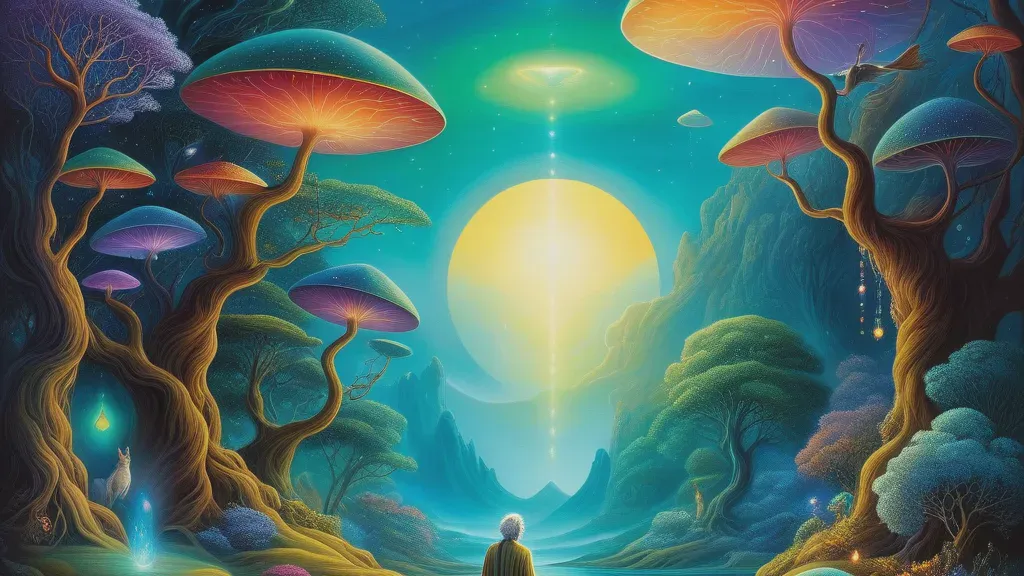
A wise old figure hands you a leash and says you can keep the wild part of you, but it must follow a schedule. When you try, the wild part refuses—then it starts dancing freely, and the whole house feels lighter.
This dream highlights integration: not eliminating instinct, but giving it structure that respects its nature. The lighter house indicates a shift from coercion to partnership with your impulses.
Frequently Asked Questions
Why do I dream about domesticating something wild?
What does it mean if the wild thing stops after I force control?
How can I tell if the dream is about healthy structure versus unhealthy control?
Journaling Prompts
- Where am I currently trying to “tame” my feelings by controlling the environment instead of listening to the message?
- What would a schedule look like that doesn’t erase my wildness—what boundaries help without suffocating?
- In the dream, what emotion is most present when I try to domesticate—fear, irritation, or responsibility?
Related Symbols
Dreamed about Domesticating?
Get a personalized AI interpretation that connects this symbol to your specific life circumstances.
Interpret My Dream