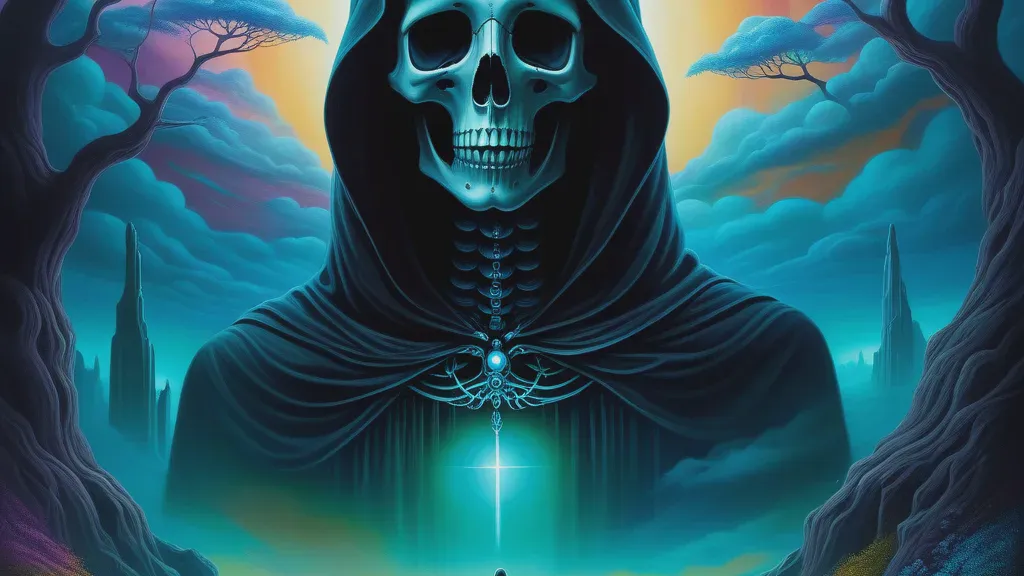
Death
Jungian Archetypes
Meaning
Death in dreams rarely predicts actual death. Instead, it symbolizes endings, major transitions, and the necessary destruction of old patterns to make way for new growth and transformation.
Psychological Interpretation
Jung viewed dream death as psychic transformation — the death of an old attitude, relationship pattern, or identity. It is often a positive symbol indicating readiness for profound personal change.
Traditional Symbol Meaning
Across cultures, death in dreams has been understood as a symbol of transformation rather than literal prophecy. In many indigenous traditions, death dreams mark initiatory passages—the symbolic death of childhood before entering adulthood, or the death of ignorance before spiritual awakening. Medieval Christian dream interpretation saw death as a call to repentance or spiritual renewal. In Eastern traditions, death represents the dissolution of illusion and the possibility of rebirth into higher consciousness. Islamic dream interpretation often views death as a sign of release from burden or the completion of a cycle. Chinese tradition associates death dreams with the need to let go of attachment and accept the natural flow of change. What unites these diverse perspectives is the recognition that dream death is rarely about physical mortality—it is about the necessary endings that make new beginnings possible, the shedding of what no longer serves, and the courage required to move through transformation.
Jungian / Archetypal
In Jungian analysis, death in dreams rarely represents literal mortality. Instead, it symbolizes the death of the ego—the dissolution of an outdated identity or way of being. Death is the ultimate threshold in the individuation process, marking the end of one psychological phase and the beginning of another. The dreamer encounters the Self through this symbolic death, confronting what must be released for transformation to occur. When death appears in dreams, it often signals that the unconscious is calling for a fundamental shift in consciousness, the shedding of old defenses, or the integration of previously rejected aspects of the psyche. This is not destruction but metamorphosis—the necessary death that precedes rebirth into greater wholeness.
Psychodynamic / Freudian
Psychodynamically, death in dreams often expresses repressed wishes, fears, or conflicts about loss, separation, and the limits of control. The manifest content—witnessing or experiencing death—may mask latent content: a wish to escape an unbearable situation, a fear of abandonment, or an unconscious rage toward someone being symbolically 'killed' in the dream. Death dreams frequently emerge when the dreamer is defending against awareness of dependency, vulnerability, or the reality that some things cannot be controlled or preserved. The dream may also replay early experiences of loss or separation, working through unresolved grief or the anxiety of finitude. Defense mechanisms like displacement allow the dreamer to experience the emotional truth of loss in symbolic form, making it bearable while keeping the most threatening material at a distance.
Contemporary Psychological
Contemporary neuroscience suggests that death dreams serve important emotional regulation and threat-simulation functions. The brain may be processing existential anxiety, rehearsing responses to loss, or consolidating memories of change and transition. Death dreams often emerge during periods of significant life change—career shifts, relationship endings, aging, or confrontation with mortality—when the brain is actively integrating new information about impermanence and identity. These dreams help the dreamer practice psychological flexibility, rehearse acceptance, and work through the cognitive dissonance between the desire for permanence and the reality of change. The dream's emotional intensity reflects the brain's engagement with one of the most fundamental human concerns: the boundary between existence and non-existence. Rather than pathological, these dreams are adaptive—they prepare the psyche for the inevitable transitions and losses that define human life.
Gestalt / Parts of Self
From a Gestalt perspective, dreaming of death invites the dreamer to own the part of themselves that is dying or transforming. Death in the dream is not something happening to the dreamer—it is something the dreamer is doing, a part of themselves that is actively letting go, surrendering, or moving through a threshold. The dream asks: What part of you is ready to die? What identity, belief, or way of being are you being invited to release? Rather than fearing death as an external threat, Gestalt work brings awareness to the internal process of transformation already underway. The dreamer is asked to stay present with the discomfort of not-knowing, to feel the aliveness in the letting-go itself, and to recognize that this death is their own creative act of becoming.
Cultural & Historical Origins
In Tarot, the Death card represents transformation, not literal death. Many shamanic traditions view dream death as initiatory, signaling spiritual rebirth and deeper wisdom.
Contextual Variations
Your own death
Signals a major identity shift or the death of an old self-concept. The dreamer is being called to release an outdated way of being, a limiting belief about who they are, or a role they have outgrown. This dream often appears during life transitions—career changes, relationship endings, or spiritual awakening—when the person is being invited to step into a new version of themselves.
Death of a loved one
May express grief, fear of loss, or unresolved conflict with that person. It can also represent the dreamer's projection of their own transformation onto someone close to them, or a symbolic 'death' of the relationship as it was. The dream invites exploration of what the relationship means, what is being lost or changed, and what needs to be grieved or released.
Attending a funeral
Suggests the dreamer is witnessing or acknowledging an ending—of a phase, a belief system, a way of life. Funerals in dreams often carry a sense of ritual completion, the formal acknowledgment that something has ended and must be released. This dream may indicate the dreamer is ready to move through grief and integrate loss into their identity.
A dying stranger
Often represents a disowned or unfamiliar part of the dreamer's own psyche that is being released or transformed. The stranger embodies an aspect of self the dreamer has not yet integrated or acknowledged. The dream invites curiosity about what this stranger represents and what the dreamer might learn from witnessing their death.
Resurrection or coming back to life
Symbolizes renewal, hope, and the possibility of transformation after loss. This variation emphasizes the cyclical nature of death and rebirth—that endings are not final but part of a larger pattern of becoming. The dream may signal the dreamer's emerging resilience or the beginning of a new chapter after a period of grief or stagnation.
Frequently Asked Questions
Does dreaming about death mean I'm going to die?
Why do I keep having death dreams?
Is it bad luck to dream about death?
Journaling Prompts
- What part of your identity or way of life feels ready to die or transform right now? What would it mean to let that go, and what might emerge in its place?
- If the death in your dream was symbolic rather than literal, what ending or transition is your unconscious asking you to acknowledge or grieve?
- What are you afraid will be lost if you allow the transformation this dream is inviting? What might you gain?
Related Symbols
Dreamed about Death?
Get a personalized AI interpretation that connects this symbol to your specific life circumstances.
Interpret My Dream