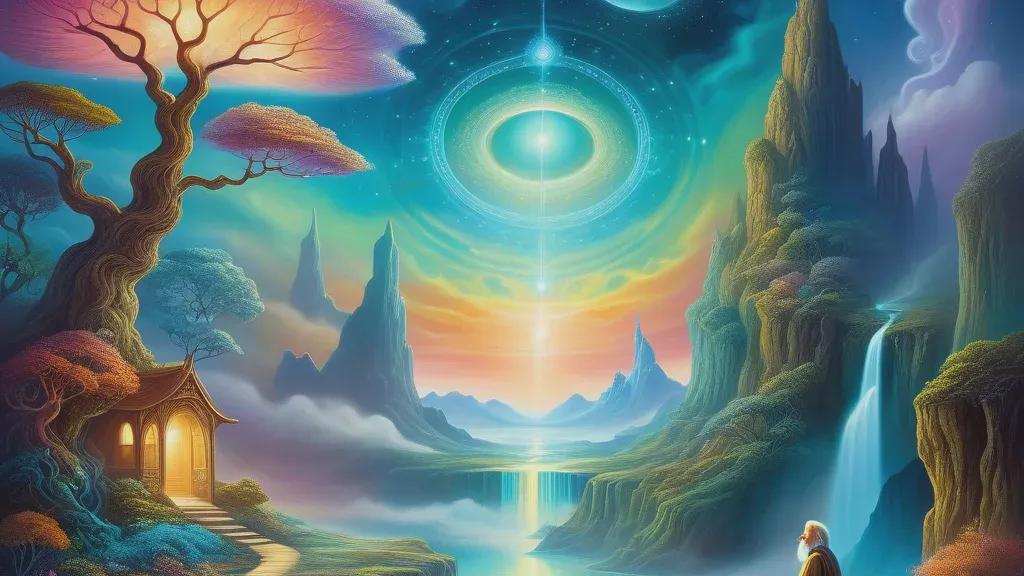
Changing Dream
Jungian Archetypes
Meaning
A changing dream signifies transformation and the fluidity of the self. Psychologically, it reflects the dynamics of personal growth and the adaptation to new life circumstances, urging awareness of change.
Psychological Interpretation
Jungian psychology views changing dreams as symbols of the individuation process. Cognitive frameworks see them as reflections of mental flexibility, while practical psychology emphasizes the importance of embracing life's transitions.
Cultural & Historical Origins
Changing dreams appear in various traditions, like the Tibetan Buddhist concept of dream yoga, emphasizing transformation through awareness. In Native American cultures, they symbolize the journey of self-discovery and personal evolution.
Contextual Variations
Each time you try to describe what you’re doing in the dream, the scene changes instantly—job, city, relationships—while your emotions stay the same.
A changing dream often reflects ongoing transformation in identity and circumstances. When emotions remain constant, it suggests your core needs and conflicts are stable, even as the “setting” changes—your psyche is processing change without losing the central theme.
You watch yourself in the dream age forward quickly, then slow down, then return to your current age, as if time can’t decide where you belong.
This points to uncertainty about becoming—fear or excitement about the future self. The time wobble indicates difficulty integrating where you are now with where you’re headed.
You meet someone from your past, but they keep becoming different versions of themselves, and you realize you’re the one changing how you interpret them.
This can symbolize shifting perspectives—your mind rewriting meaning as you grow. Psychologically, it suggests that your interpretation of past experiences is evolving, which can feel disorienting but also freeing.
Frequently Asked Questions
Does a changing dream mean something bad is happening?
Why do I feel disoriented in the dream even when the changes are small?
How can I tell whether the dream is about identity or about circumstances?
Journaling Prompts
- What stayed the same across the dream’s changes—my feelings, themes, or values—and what does that reveal about my core needs?
- Which scene shift felt most significant, and what real-life change might it correspond to?
- If my dream is “rehearsing” a new identity, what role am I trying on, and what part of me resists it?
Related Symbols
Dreamed about Changing Dream?
Get a personalized AI interpretation that connects this symbol to your specific life circumstances.
Interpret My Dream