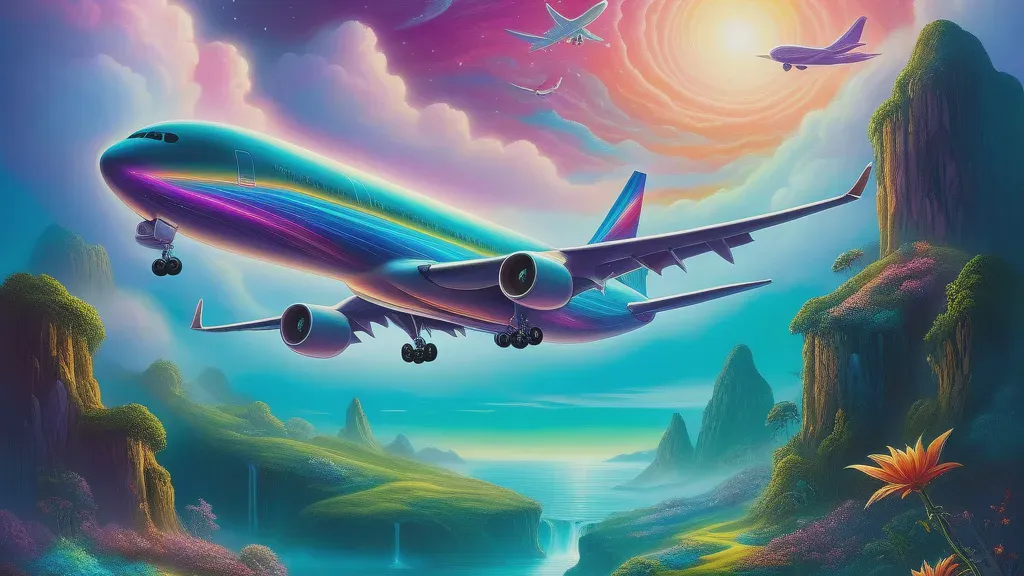
Airplane
Jungian Archetypes
Meaning
An airplane represents your aspirations, ambitions, and desire to rise above current limitations. It symbolizes rapid progress, escape from earthly constraints, and the pursuit of higher perspectives. The airplane embodies both the thrill of adventure and the anxiety of leaving the familiar.
Psychological Interpretation
In Jungian psychology, the airplane represents the Hero archetype ascending toward self-realization and the Self achieving transcendence. It reflects your conscious will to overcome obstacles and reach new heights of understanding. The plane's stability and altitude reveal your confidence in achieving your goals.
Traditional Symbol Meaning
The dream symbol of an airplane often represents aspirations, freedom, and the journey of life. Historically, airplanes have been associated with the ability to transcend earthly boundaries, reflecting a desire for exploration and adventure. In many cultures, flying is linked to spiritual elevation and enlightenment. For instance, in Western traditions, dreaming of an airplane can signify a desire to rise above challenges or to gain a higher perspective on one's life circumstances. This symbolism is rooted in the idea that flight offers liberation from the mundane, allowing individuals to escape their everyday worries and pursue their ambitions. In Eastern cultures, the interpretation of airplanes in dreams can differ significantly. For example, in some Asian traditions, flying is seen as a metaphor for personal growth and transformation. The act of soaring through the skies is often connected to achieving one's goals and realizing potential. Indigenous cultures may also view flight as a spiritual journey, where the airplane serves as a vehicle for connecting with ancestors or the spirit world. In these contexts, dreaming of an airplane might indicate a readiness to embrace change or to embark on a new path that aligns with one's spiritual journey. Throughout history, the symbolism of airplanes in dreams has evolved alongside technological advancements and societal changes. The introduction of air travel in the 20th century transformed our understanding of distance and connectivity, and this evolution is reflected in dream interpretations. Dreaming of an airplane may now symbolize not only personal aspirations but also a global perspective, encouraging individuals to think beyond their immediate surroundings. Traditional wisdom suggests that such dreams can prompt reflection on one's life direction and the steps necessary to achieve one's dreams. Cultural variations in the meaning of airplanes in dreams highlight the diverse ways societies interpret the act of flying. In some cultures, an airplane might symbolize anxiety about the future or fear of failure, particularly if the dream involves turbulence or crashes. Conversely, in other traditions, a smooth flight may represent confidence and success. Ultimately, the interpretation of airplanes in dreams is deeply personal and can vary based on individual experiences, cultural backgrounds, and the specific context of the dream itself. Understanding these nuanced meanings can provide valuable insights into one's aspirations, fears, and the journey ahead.
Jungian / Archetypal
In Jungian and Analytical Psychology, the symbol of an airplane in dreams often represents the journey of individuation, a central process in which an individual integrates various aspects of the self, including the conscious and unconscious. The airplane serves as a powerful archetype of transition and transformation, suggesting that the dreamer is in a phase of personal development or is seeking to elevate their understanding of themselves. It embodies the desire to rise above mundane concerns, offering a perspective that can lead to greater self-awareness and clarity about one's life path. Dreaming of an airplane can also evoke themes of freedom, exploration, and adventure. On a deeper psychological level, it may indicate the dreamer's aspirations to break free from limitations or constraints in their waking life. This symbol can reflect a yearning to explore new horizons, both literally and metaphorically. The airplane's capacity to traverse vast distances may mirror the dreamer's desire to expand their consciousness and embrace new experiences. It highlights the importance of embracing change and the unknown, which are vital components of the individuation process. Conversely, the airplane can also touch upon the shadow aspect of the psyche. If the dream features a malfunctioning airplane or a sense of fear during the flight, it may signify unresolved anxieties or fears about taking risks in life. This could point to internal conflicts that need to be addressed, revealing parts of the self that the dreamer may be avoiding or suppressing. Recognizing these shadow elements can be crucial for personal growth, as they often hold valuable insights into the dreamer's true desires and fears. Ultimately, the airplane in dreams invites the dreamer to reflect on their current life situation and inner world. It encourages an examination of personal ambitions, fears, and the journey toward self-actualization. By engaging with this symbol, individuals can gain a deeper understanding of their motivations and the challenges they face, fostering a sense of empowerment and agency in their lives. Embracing the lessons from such dreams can facilitate the process of individuation, leading to a more integrated and authentic self.
Psychodynamic / Freudian
In psychodynamic psychology, dreams are often viewed as a window into the unconscious mind, revealing both manifest and latent content. The symbol of an airplane in dreams can represent various themes related to the dreamer's aspirations, desires for freedom, or feelings of anxiety about life's journey. On the surface, the manifest content of an airplane might simply be the act of flying or traveling. However, the latent content delves deeper, suggesting a longing for escape, a desire for change, or a need to rise above current challenges. The airplane can symbolize the dreamer's ambitions and the paths they wish to take, reflecting their inner drive to achieve personal goals or explore new horizons. The psychological significance of dreaming about airplanes may also relate to the concept of wish fulfillment. For many, an airplane embodies the idea of adventure, exploration, and the ability to transcend everyday limitations. This symbol can indicate that the dreamer is yearning for growth and new experiences, perhaps feeling confined or restricted in their current life situation. Alternatively, it may highlight feelings of anxiety about taking risks or embarking on new ventures. The airplane can serve as a metaphor for the dreamer’s journey through life, suggesting that they may be navigating through significant transitions or contemplating changes that could elevate their circumstances. Moreover, the presence of an airplane in a dream can reveal underlying defense mechanisms at play. For example, if the dreamer feels fearful or anxious while flying, this may indicate a tendency to avoid confronting certain realities or challenges in their waking life. The act of flying could represent a defense against feelings of vulnerability or a desire to escape from responsibilities. Conversely, a confident and enjoyable flying experience might suggest that the dreamer is embracing change and feeling empowered in their life choices. Understanding these dynamics can provide valuable insights into the dreamer's current emotional state and help them recognize patterns that may be influencing their behavior. In conclusion, the airplane as a dream symbol offers rich opportunities for self-reflection and insight. By exploring the manifest and latent content associated with this symbol, dreamers can gain a deeper understanding of their desires, fears, and the psychological mechanisms that shape their experiences. Engaging with these interpretations can encourage individuals to confront their aspirations and anxieties, ultimately fostering personal growth and a clearer path toward achieving their goals.
Contemporary Psychological
Dreaming of airplanes often symbolizes a desire for escape, exploration, or a shift in perspective. From a contemporary psychology standpoint, these dreams can be examined through the lens of neuroscience, emotional processing, and memory consolidation. Airplanes represent a journey, both physically and psychologically, indicating the dreamer's aspirations to rise above their current circumstances or to navigate through complex emotions. The act of flying can evoke feelings of freedom and liberation, suggesting that the dreamer is seeking new experiences or ways to transcend limitations in their waking life. Moreover, airplanes in dreams can reflect common themes of transition and change. They may signify the dreamer’s readiness to embark on a new phase in life, whether that be in personal relationships, career paths, or self-discovery. This aligns with the concept of threat simulation, where the brain prepares for potential challenges by rehearsing scenarios. In this context, dreaming of flying might indicate that the dreamer is subconsciously rehearsing for a significant life change or a new opportunity, allowing them to process any anxiety or excitement associated with it. The emotional processing aspect highlights how these dreams can serve as a mechanism for working through feelings related to uncertainty or anticipation. The inner world of the dreamer may be reflected in the specifics of the airplane dream. For instance, if the dream involves a smooth flight, it may suggest confidence and readiness to embrace new ventures. Conversely, a turbulent flight could indicate fear of the unknown or anxiety about upcoming changes. This insight into the dreamer's current life situation can be invaluable, as it may reveal underlying feelings of control or lack thereof. It encourages self-reflection on how the dreamer is managing transitions and whether they are feeling empowered or overwhelmed by their circumstances. Practical psychological insights from dreaming about airplanes can include the importance of acknowledging and processing emotions related to change. Keeping a dream journal can help the dreamer track patterns and themes in their dreams, providing clarity on their emotional state and aspirations. Engaging in mindfulness practices may also assist in navigating feelings of anxiety or excitement about future changes, allowing the dreamer to feel more grounded and prepared for the journeys ahead. Ultimately, airplane dreams can serve as powerful symbols of personal growth and the potential for transformation, encouraging individuals to embrace their inner journeys with confidence.
Gestalt / Parts of Self
In Gestalt Psychology, dreams are viewed as reflections of the self, where each element symbolizes a different aspect of the dreamer’s psyche. The airplane, as a dream symbol, often represents the desire for freedom, exploration, and the pursuit of new experiences. It can signify the dreamer’s aspirations to rise above their current circumstances or to embark on a transformative journey. The airplane may also embody the dreamer’s ambitions and goals, illustrating their drive to achieve personal growth and reach new heights in their life. Delving deeper, the airplane can highlight themes of control and direction in the dreamer’s life. If the dreamer is piloting the airplane, it may suggest a sense of ownership and agency over their journey, reflecting confidence in navigating their life’s path. Conversely, if the dreamer is a passenger, it may indicate feelings of powerlessness or a lack of control in certain situations. This distinction can reveal important insights into how the dreamer perceives their ability to influence their circumstances and the extent to which they are actively engaged in shaping their destiny. Moreover, dreaming of an airplane can also signify transitions and the process of letting go of the past. Just as an airplane takes off and ascends into the sky, this symbol may represent the dreamer’s readiness to leave behind old patterns, relationships, or beliefs that no longer serve them. It encourages the integration of new experiences and perspectives, urging the dreamer to embrace change and personal evolution. This aspect of the airplane can serve as a powerful reminder of the importance of taking risks and stepping outside of one’s comfort zone to achieve personal fulfillment. For practical psychological insights, individuals can reflect on their feelings and experiences associated with airplanes in their dreams. Journaling about these dreams can help uncover underlying desires or fears related to freedom, control, and change. By acknowledging and integrating these aspects of the self, dreamers can gain a deeper understanding of their inner world, leading to more conscious decision-making and a greater sense of empowerment in their waking lives. Embracing the lessons from airplane dreams can ultimately facilitate personal growth and help individuals navigate their life journeys with confidence and clarity.
Cultural & Historical Origins
In ancient mythology, flying is associated with divine beings and spiritual ascension, from Icarus in Greek mythology to the celestial journeys in Hindu texts. Islamic tradition features the Night Journey of Prophet Muhammad, a miraculous flight representing spiritual elevation. Modern culture uses flight as a metaphor for freedom and breaking limitations.
Contextual Variations
Smooth flight at high altitude
Success, achievement, and elevated perspective on life's challenges.
Turbulence or fear of flying
Anxiety about your ambitions or fear of losing control during major life changes.
Frequently Asked Questions
What does it mean if the airplane crashes?
Does the destination matter in airplane dreams?
Journaling Prompts
- What heights are you trying to reach in your life right now?
- What fears might be holding you back from pursuing your highest aspirations?
Related Symbols
Dreamed about Airplane?
Get a personalized AI interpretation that connects this symbol to your specific life circumstances.
Interpret My Dream