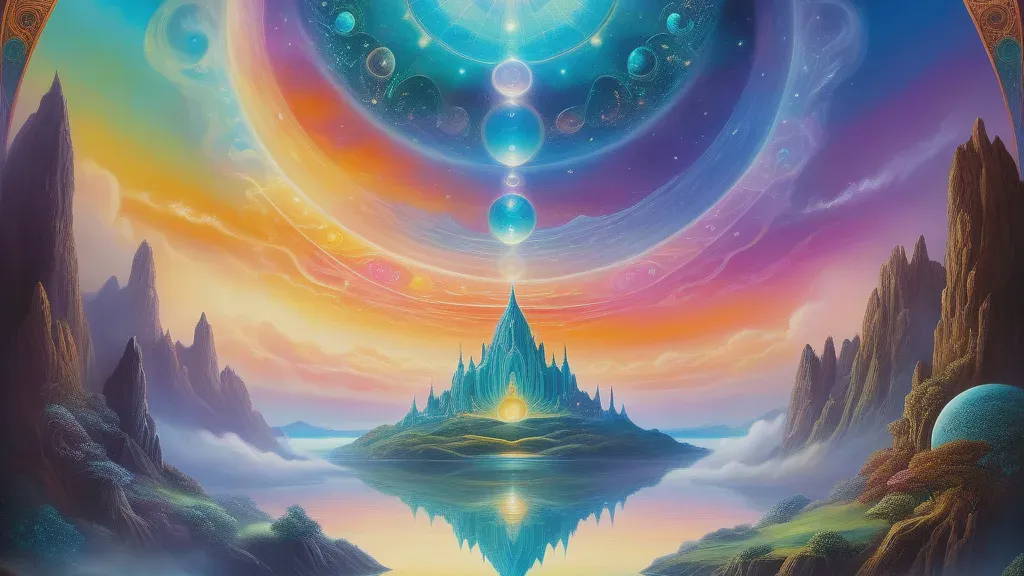
Above and Below
Jungian Archetypes
Meaning
The motif of above and below in dreams reflects the fundamental polarity of consciousness and the unconscious. Looking up from below or seeing both realms simultaneously suggests the dreamer is becoming aware of the full vertical axis of their psyche — the heights of spiritual aspiration and the depths of instinctual life.
Psychological Interpretation
This duality maps directly onto Jung's model of the psyche: the upper realm represents the conscious ego, persona, and superego functions, while the lower realm houses the shadow, the personal unconscious, and ultimately the collective unconscious. Dreams featuring this axis often appear during critical moments of individuation when the dreamer must reconcile opposites.
Traditional Symbol Meaning
The dream symbol of "Above and Below" holds significant meaning across various cultures and historical contexts, often representing the duality of existence and the connection between the spiritual and material realms. In many Western traditions, this symbol is interpreted as a reflection of the dreamer's internal state, suggesting a need for balance between one's aspirations (above) and grounded reality (below). The concept of "as above, so below," rooted in Hermetic philosophy, emphasizes the interconnectedness of the microcosm and macrocosm, suggesting that what happens in one realm influences the other. This duality can signify a journey of self-discovery, where the dreamer is encouraged to explore both their higher ideals and the practical aspects of their life. In Eastern traditions, particularly within Hinduism and Buddhism, the symbolism of "Above and Below" often relates to the concepts of enlightenment and the cycle of life. The upward direction symbolizes spiritual awakening and the pursuit of higher consciousness, while the downward aspect can denote the material world and the challenges that come with it. Dreams featuring these symbols may prompt individuals to reflect on their spiritual path and the lessons they can learn from their earthly experiences. Indigenous cultures, too, view this symbolism through a lens of harmony and balance, often interpreting dreams of above and below as messages from ancestors or spirits, guiding individuals to align their actions with the natural order of the universe. Throughout history, dream interpreters have noted that this symbol can also speak to the dreamer's emotional state. For instance, dreaming of being above may represent feelings of empowerment or success, while being below might indicate vulnerability or feelings of being overwhelmed. Traditional wisdom suggests that these dreams encourage individuals to confront their inner conflicts and acknowledge the interplay between their ambitions and their fears. The balance between these two states is often seen as essential for personal growth and fulfillment. Cultural variations in the interpretation of "Above and Below" can be quite pronounced. In some African traditions, for instance, dreams involving these symbols may be interpreted as a call to reconnect with one's roots and ancestry, emphasizing the importance of grounding oneself in cultural heritage while aspiring for personal growth. Conversely, in certain shamanic practices, the above may represent the upper world of spirits, while the below symbolizes the lower world, where healing and transformation occur. This diversity in interpretation highlights the richness of dream symbolism, reflecting the complex tapestry of human experience and the universal quest for meaning that transcends cultural boundaries.
Contemporary Psychological
In contemporary psychology, the dream symbol of "Above and Below" can be interpreted through various lenses, particularly focusing on neuroscience, emotional processing, memory consolidation, and threat simulation. The concept of "above" often represents aspirations, higher consciousness, or goals, while "below" may symbolize the subconscious, hidden fears, or unresolved issues. This duality can reflect the dreamer's internal struggle between their ambitions and the darker aspects of their psyche. Neuroscientifically, these contrasting states may engage different brain networks, highlighting the complexity of emotional processing as the mind navigates through layers of experience and memory. The deeper psychological significance of "Above and Below" often revolves around common themes of conflict and balance. For instance, if a dreamer finds themselves soaring high above a landscape, it may indicate a sense of freedom or achievement, suggesting that they are processing positive emotions and memories related to their goals. Conversely, descending below may evoke feelings of anxiety or introspection, pointing to unresolved issues or fears that need addressing. This interplay can serve as a form of emotional regulation, where the dreamer’s brain is working to consolidate experiences by categorizing them into positive and negative frameworks, facilitating better emotional health and resilience. Dreaming about "Above and Below" can provide valuable insights into the dreamer's inner world and current life situation. If the dreamer frequently experiences dreams that emphasize one aspect over the other, it may indicate an imbalance in their waking life. For instance, a predominance of "above" may suggest they are overly focused on success at the expense of addressing underlying emotional issues, while a focus on "below" could signify a need to confront and integrate these hidden fears. This symbolic representation can serve as a call to action, urging the dreamer to seek harmony between their aspirations and their inner emotional landscape. To gain practical psychological insights from this interpretation, dreamers can reflect on their current life circumstances and emotional states. Keeping a dream journal can be beneficial to track patterns related to "Above and Below," helping individuals identify when they feel more aligned with their goals or when they are grappling with deeper issues. Engaging in mindfulness practices or therapy can also aid in processing these emotions, allowing for a more integrated understanding of their experiences. Ultimately, recognizing the significance of this dream symbol can empower individuals to navigate their inner worlds more effectively, fostering personal growth and emotional well-being.
Gestalt / Parts of Self
In Gestalt psychology, dreams are viewed as a reflection of the self, where each element symbolizes different aspects of the dreamer's personality or emotional state. The symbols "above" and "below" can represent the dualities within oneself—such as consciousness versus the unconscious, aspirations versus fears, or the ideal self versus the shadow self. When a dreamer encounters these elements, it often indicates a need to explore and integrate these contrasting aspects of their psyche. The "above" may symbolize higher aspirations, enlightenment, or goals, while "below" can represent the subconscious, repressed emotions, or unresolved issues that need attention. The deeper psychological significance of "above and below" in dreams often revolves around themes of balance and integration. Dreaming of these elements might suggest that the dreamer is navigating a period of self-discovery, where they are being called to acknowledge and embrace both their higher ideals and their deeper, perhaps darker, feelings. This duality can highlight the tension between what one aspires to be and what one fears or struggles with internally. It is a reminder that both aspects are essential for personal growth and wholeness, and that neglecting one can lead to an imbalanced self-perception. When a dreamer experiences "above and below," it may indicate a current life situation where they feel torn between different choices or paths. For instance, they might be grappling with the pressure to achieve success (the "above") while simultaneously dealing with self-doubt or past traumas (the "below"). This dream can serve as an invitation to reflect on how these conflicting feelings influence their decisions and overall well-being. By acknowledging both sides, the dreamer can work towards a more integrated self, recognizing that both aspirations and fears contribute to their unique identity. Practical psychological insights from this interpretation suggest that dreamers should take time to journal about their feelings related to what is "above" and "below" in their lives. Engaging in self-reflection can help identify areas where they may be projecting their inner conflicts onto external situations or relationships. By owning these parts of themselves, they can foster a deeper understanding of their motivations and desires, ultimately leading to a more harmonious existence. Embracing the journey of integration can empower the dreamer to move forward with greater clarity and confidence.
Jungian / Archetypal
In Jungian psychology, the symbols of "Above and Below" often represent the dichotomy of consciousness and the unconscious mind. The "Above" typically signifies the realm of the conscious, where our thoughts, aspirations, and rational understanding reside. In contrast, the "Below" embodies the unconscious, housing our repressed desires, fears, and the shadow aspects of our personality. When these symbols appear in dreams, they invite the dreamer to explore the relationship between their conscious self and the deeper, often hidden parts of their psyche. This interplay is crucial for the process of individuation, where one seeks to integrate various aspects of the self into a harmonious whole. The deeper psychological significance of "Above and Below" can be linked to the archetypal themes of ascent and descent. Ascending can symbolize personal growth, enlightenment, or the pursuit of higher ideals, while descending may evoke a journey into the depths of the psyche, where unresolved issues and emotional wounds reside. Such dreams may emerge during times of transition or crisis, prompting the dreamer to confront aspects of themselves that they may have overlooked or avoided. This confrontation can lead to greater self-awareness and a more authentic existence, as the dreamer learns to embrace both the light and shadow within. When a dreamer experiences the symbolism of "Above and Below," it may reflect their current life situation and inner world. For instance, if the dreamer feels overwhelmed by responsibilities or societal expectations, the "Above" might represent the pressures they face, while the "Below" could symbolize their suppressed emotions or desires for freedom. The dream serves as a reminder to acknowledge and balance these opposing forces, encouraging the dreamer to seek harmony between their ambitions and their inner truths. Recognizing this balance is essential for personal growth and emotional well-being. Practical insights from this interpretation suggest that dreamers should engage in self-reflection and journaling to explore the themes of "Above and Below" in their lives. By identifying the aspects of themselves that they associate with each symbol, they can begin to understand the dynamics at play within their psyche. This process may involve confronting fears or desires that have been relegated to the unconscious, ultimately fostering a more integrated self. Embracing both the conscious and unconscious aspects of one's being not only promotes healing but also enhances personal development, leading to a more fulfilling and authentic life.
Psychodynamic / Freudian
In psychodynamic psychology, the dream symbol "Above and Below" can represent a rich tapestry of meanings, often rooted in the conflict between conscious and unconscious desires. The manifest content of this symbol may simply depict physical spaces, such as being on a high mountain or in a deep valley. However, the latent content reveals deeper psychological themes, such as aspirations, fears, and the struggle between the ego and the id. The "above" can symbolize ideals, ambitions, and the pursuit of higher consciousness, while the "below" may represent repressed emotions, fears, or aspects of the self that the dreamer is not fully aware of or willing to confront. This duality often reflects the dreamer's inner world, indicating a tension between their conscious goals and unconscious drives. For instance, if a dreamer finds themselves climbing a mountain, it may signify a desire for achievement or self-actualization. Conversely, if they are descending into a pit, it might suggest feelings of being overwhelmed or a fear of confronting deep-seated issues. The interplay between "above" and "below" can also indicate the presence of defense mechanisms, such as repression or denial, where the dreamer might be avoiding certain truths about themselves or their life situation. This avoidance can manifest in dreams as a struggle between wanting to rise above challenges and the fear of falling into emotional depths. Dreams featuring this symbol can serve as a reflection of the dreamer's current life situation. For example, if the dreamer is experiencing stress or uncertainty, they may find themselves in scenarios where they are caught between heights and depths, symbolizing their struggle to find balance amidst chaos. This conflict could indicate that the dreamer is grappling with unresolved issues, such as career pressures, relationship dynamics, or personal insecurities. Recognizing these themes can provide valuable insights into the dreamer's psyche, allowing them to address underlying concerns that may be affecting their waking life. To derive practical psychological insights from dreams involving "Above and Below," individuals can engage in reflective practices, such as journaling or therapy, to explore the emotions and thoughts that arise from these symbols. Analyzing the context of the dream and the feelings associated with being "above" or "below" can help the dreamer identify areas of their life that may require attention or change. By embracing the messages contained within these dreams, individuals can work towards achieving greater self-awareness and emotional balance, ultimately fostering personal growth and a deeper understanding of their inner conflicts.
Cultural & Historical Origins
The Hermetic axiom 'As above, so below' from the Emerald Tablet of Hermes Trismegistus established this duality as a cornerstone of Western esoteric thought. The concept echoes across traditions: the Buddhist mandala's cosmic mountain, the Kabbalistic Tree of Life spanning from Kether to Malkuth, and the Norse Yggdrasil connecting nine worlds.
Contextual Variations
Looking down from a great height
You are temporarily occupying a perspective of elevated consciousness, seeing patterns in your life that are invisible at ground level. This clarity may be fleeting — use it while you have it.
Being pulled underground or downward
The unconscious is demanding your attention. Something below the surface — repressed emotions, forgotten experiences, instinctual needs — requires conscious acknowledgment.
Seeing a mirror world above or below
Your conscious life and unconscious life are in a state of correspondence. What you enact in the outer world has a direct reflection in your inner world, and vice versa.
Frequently Asked Questions
Does dreaming of above and below mean I'm divided?
What if I can only see one direction — up or down?
Is this dream related to spiritual awakening?
Journaling Prompts
- What in my life represents 'above' (aspirations, ideals) and what represents 'below' (instincts, shadows, roots)?
- How do I typically relate to the tension between my higher ambitions and my grounded, earthly needs?
- When have I experienced a moment where the upper and lower aspects of my life felt unified?
Related Symbols
Dreamed about Above and Below?
Get a personalized AI interpretation that connects this symbol to your specific life circumstances.
Interpret My Dream