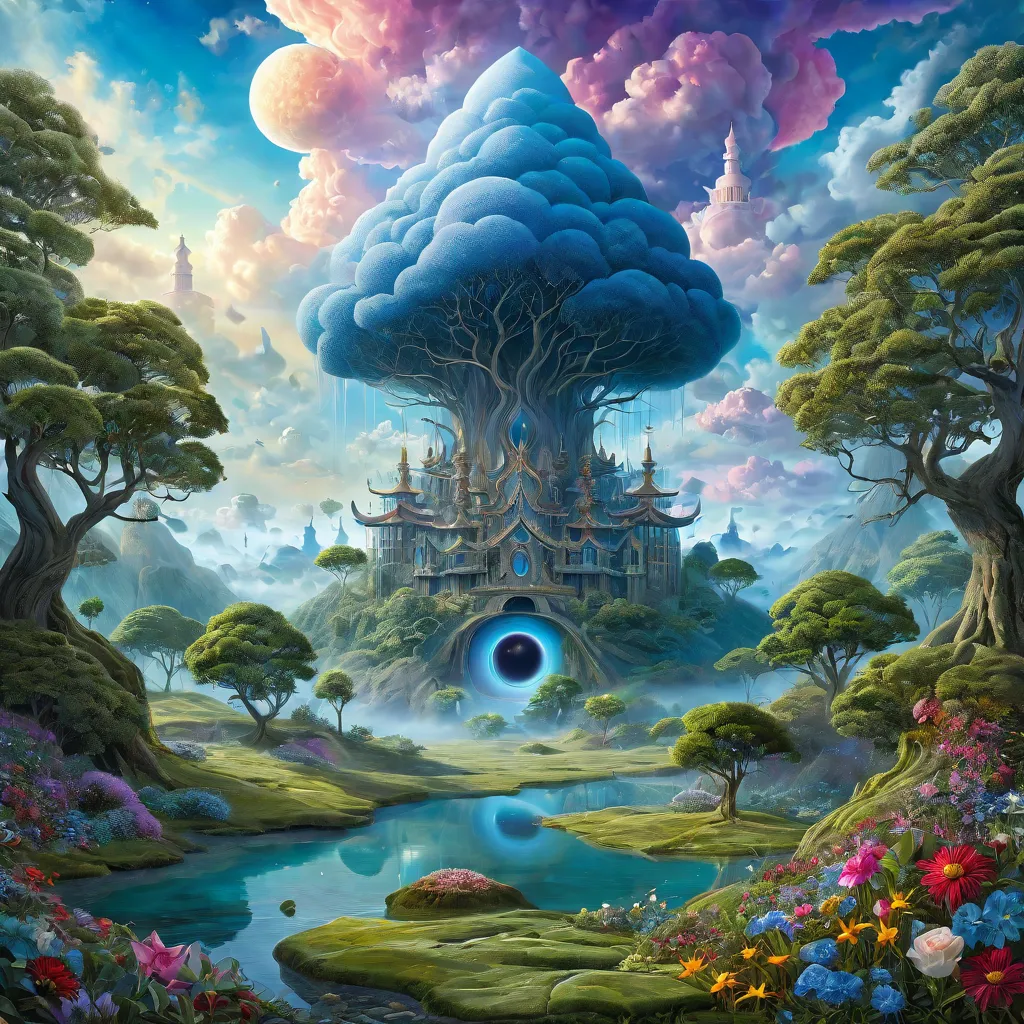
Weltschmerz
Jungian Archetypes
Meaning
Experiencing weltschmerz in dreams reflects a deep awareness of the dissonance between reality and idealism, indicating a psychological mechanism of existential reflection. It reveals the dreamer's struggle with disappointment and longing for a better world.
Psychological Interpretation
Jungian analysis views weltschmerz as a confrontation with the Shadow, highlighting unfulfilled aspirations. Cognitive psychology interprets it as a response to stressors, while practical psychology emphasizes the need for acceptance and proactive change.
Cultural & Historical Origins
The term 'weltschmerz' originated from German Romantic literature, capturing the melancholic awareness found in works by authors like Goethe. In Russian literature, characters in Dostoevsky’s works often embody this existential pain, reflecting cultural introspection.
Contextual Variations
You walk through a beautiful city where everything looks perfect, but you feel a heavy, distant sadness with no clear cause.
Weltschmerz in dreams often surfaces when your ideals clash with reality, creating dissonance. Psychologically, it can reflect exhaustion from caring deeply while feeling that the world can’t match your expectations.
You read a book predicting a better future, then tear out the pages because the words feel naive, and the room grows colder.
Destroying hopeful predictions suggests a break between idealism and lived experience. Psychologically, the dream may be processing disappointment—grief for what you hoped for, and a search for a more grounded kind of meaning.
You hear people laughing, but the sound feels muted, as if you’re watching life through glass, and you can’t join in.
Muted joy can symbolize emotional distance—your mind protecting you from further disillusionment. It may indicate you’re temporarily disengaging from connection because the gap between reality and expectation feels too painful.
Frequently Asked Questions
Why does weltschmerz show up even when nothing bad happens to me?
Is this dream a sign of depression?
What helps after dreaming this kind of sadness?
Journaling Prompts
- Where in my life do my expectations about “how things should be” clash with what is actually happening?
- What ideal am I mourning, and what would a more realistic but still meaningful version look like?
- When I feel this world-weariness, what do I need most right now—connection, rest, honesty, or purpose?
Related Symbols
Dreamed about Weltschmerz?
Get a personalized AI interpretation that connects this symbol to your specific life circumstances.
Interpret My Dream