War Paint
Jungian Archetypes
Meaning
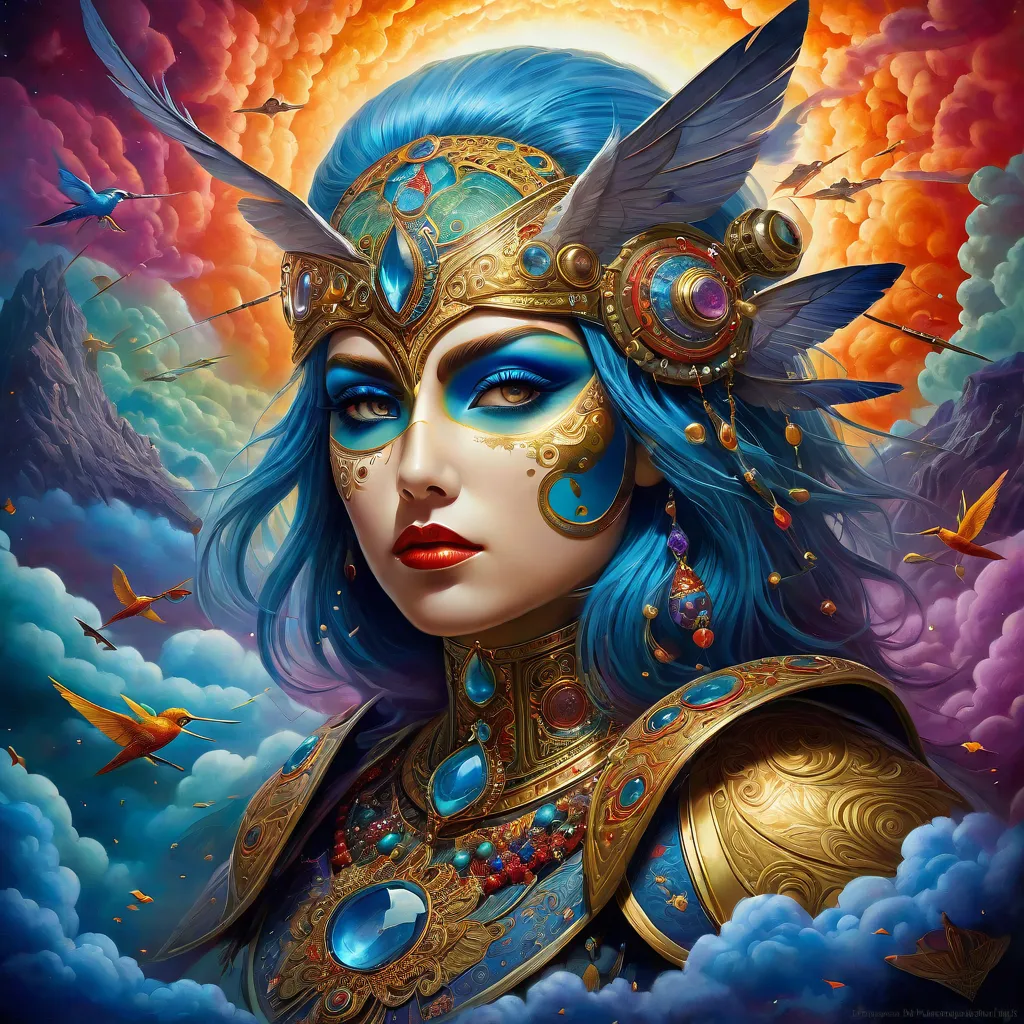
Dreaming of war paint symbolizes preparation for battle, whether external or internal. It reflects the psychological mechanisms of identity transformation and the need to confront challenges with a fortified sense of self.
Psychological Interpretation
Cognitive psychology suggests that war paint signifies a readiness for conflict, while Jungian analysis connects it to the Trickster archetype, embodying transformation. Practical psychology may view it as a call to embrace one’s true self in the face of adversity.
Cultural & Historical Origins
Indigenous cultures, such as the Native American Plains tribes, used war paint to signify bravery and identity in battle. Similarly, in ancient Celtic traditions, warriors adorned themselves with paint to invoke protection and strength before combat.
Contextual Variations
You paint your face with war paint and feel a rush of confidence, but afterward you can’t recognize yourself in the mirror.
War paint often symbolizes identity transformation—stepping into a role to face challenge. The inability to recognize yourself suggests the role may be masking your authentic feelings. Psychologically, it points to the tension between performing strength and staying connected to who you are.
You apply war paint to your hands, then use those hands to comfort someone who is crying.
Painting hands suggests you’re trying to equip yourself emotionally for interaction. Using the painted hands to comfort indicates power is being used compassionately rather than aggressively. The dream may represent learning to meet conflict with care.
War paint spreads on its own beyond your intended areas, and you keep trying to wipe it off but it keeps returning.
Spreading paint reflects identity themes that are leaking into everything—maybe you’re “performing” under stress. The return suggests the underlying need (to be protected, prepared, or taken seriously) hasn’t been addressed. Psychologically, it asks what stress is demanding this persona.
Frequently Asked Questions
Why do I feel confident when I put on war paint, but uneasy afterward?
Does war paint always mean I’m preparing for conflict with someone?
What does it mean if I can’t remove the war paint?
Journaling Prompts
- What identity “role” did the war paint help you step into, and what feeling was it covering or protecting?
- Where do you notice in waking life that you adopt a persona to handle stress, and what would change if you didn’t?
- If the war paint were telling the truth, what would it say you’re bracing for?
Related Symbols
Dreamed about War Paint?
Get a personalized AI interpretation that connects this symbol to your specific life circumstances.
Interpret My Dream