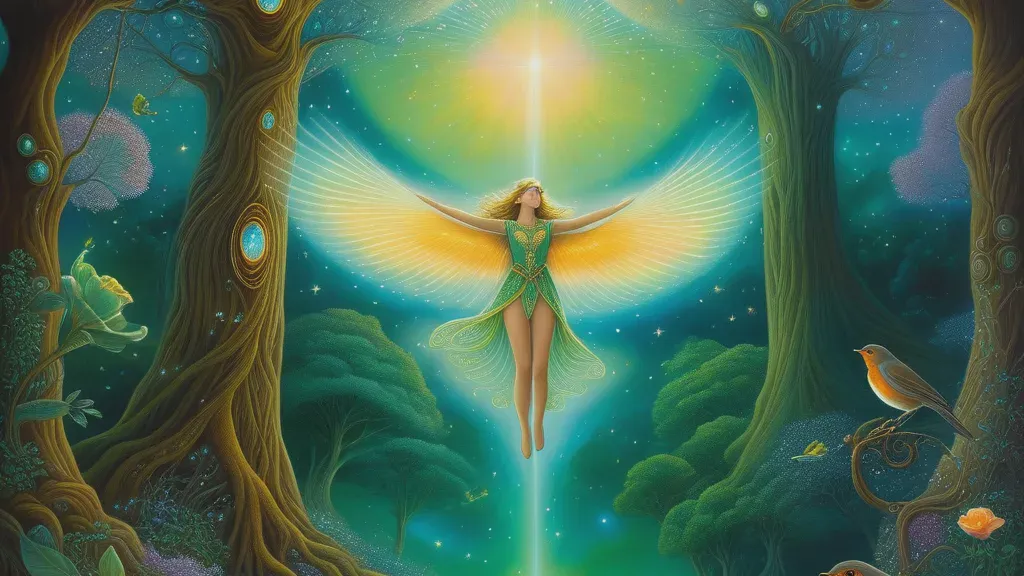
Robin Goodfellow
Jungian Archetypes
Meaning
This symbol often represents mischief and the trickster aspect of the self. Psychologically, it can reflect inner conflicts or the need to reconcile playful and serious facets of one’s personality.
Psychological Interpretation
Jungian theory views Robin Goodfellow as a symbol of the trickster archetype, challenging norms. Cognitive psychology might interpret it as a way to process social dynamics, while practical psychology highlights the importance of humor in coping with life’s challenges.
Cultural & Historical Origins
Robin Goodfellow is rooted in English folklore, often featured in Shakespeare's 'A Midsummer Night's Dream' as a mischievous sprite. In Celtic mythology, the trickster element is embodied in figures like Puck, highlighting the duality of nature.
Contextual Variations
A mischievous robin appears near your window, and small objects in your room keep moving—keys slide, a book opens to the wrong page—until you laugh and then feel unsettled.
Robin Goodfellow imagery highlights the trickster self: playful disruption that reveals where you’re taking things too rigidly. The unsettled feeling can indicate inner conflict about control—your psyche both mocks and warns you.
You follow the robin’s hints through a house maze, and each “prank” leads you closer to a door you’ve avoided in waking life.
Trickster guidance here suggests your mind is using mischief to break avoidance. The prank-like clues can represent creative insight pushing you toward a difficult truth or conversation.
The robin steals your attention during an important moment—someone calls your name, but the robin distracts you—then you wake up with guilt.
This can reflect self-sabotage through distraction or procrastination. Psychologically, it may be asking whether you’re using humor, irritation, or novelty to dodge responsibility or emotional discomfort.
Frequently Asked Questions
What does it mean if the robin feels playful rather than threatening?
Why do the pranks in the dream feel personal?
Does Robin Goodfellow always mean deception in my life?
Journaling Prompts
- Where in your life do you rely on distraction or humor to avoid a real issue, and what might the dream be trying to unlock?
- What did the robin’s “pranks” change—your schedule, your focus, your access to a door—and what parallels exist in waking life?
- If the trickster had a message beneath the mischief, what tone would it use: warning, permission, or challenge?
Related Symbols
Dreamed about Robin Goodfellow?
Get a personalized AI interpretation that connects this symbol to your specific life circumstances.
Interpret My Dream