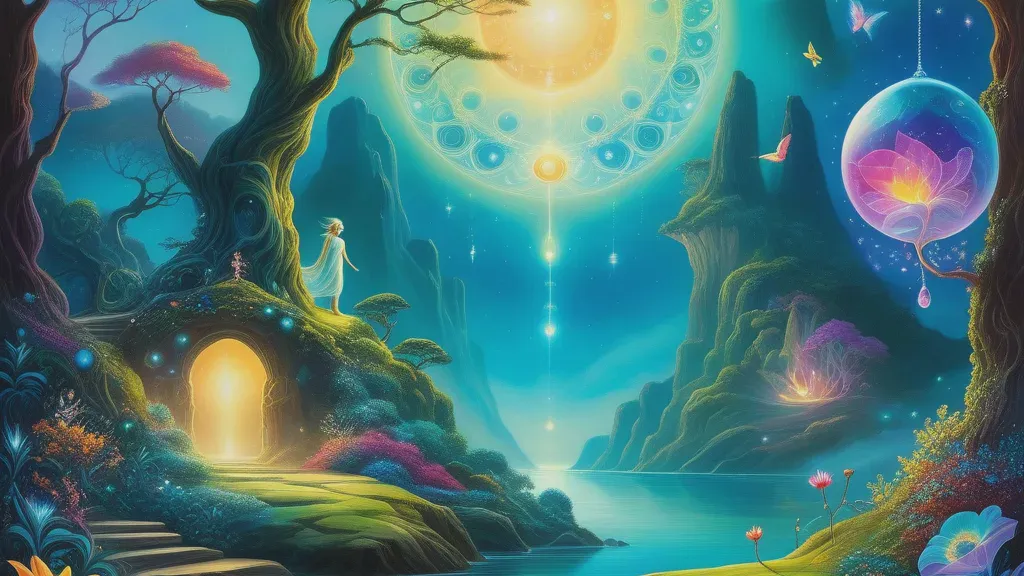
Playfulness
Jungian Archetypes
Meaning
Dreaming of playfulness reflects a desire for spontaneity and joy, often indicating repressed emotions or a need to reconnect with the inner child, which Freud associated with the pleasure principle.
Psychological Interpretation
Jungian theory might suggest playfulness represents the Anima's expression, fostering creativity. Cognitive psychology views it as a coping mechanism, while practical psychology sees it as essential for emotional resilience and stress relief.
Cultural & Historical Origins
In Greek mythology, the playful nature of the god Dionysus embodies joy and revelry, while in children's literature, characters like Peter Pan symbolize eternal youth and the importance of play in personal development.
Contextual Variations
You’re in a familiar room, but suddenly it becomes a playground—objects bounce, music starts, and you laugh without worrying who’s watching.
Playfulness in a dream can signal a return of spontaneity and creative energy that your daily life may be suppressing. Laughing without self-consciousness suggests your psyche is offering a temporary permission slip to be more present and less controlled.
You try to tease someone gently, but they take it seriously; you adjust your tone and end up playing a game together that feels safe.
This reflects your need to calibrate how you express joy. The misread teasing can symbolize fear of being misunderstood, while the successful game suggests you can find a style of play that others can receive.
You feel playful inside but must hide it because the environment demands seriousness; later, you find a secret corner where you can act freely.
Hidden playfulness points to a part of you that longs for joy but has learned to restrain it. The secret corner represents a boundary where you can reconnect with creativity without violating responsibilities.
Frequently Asked Questions
Why do I dream of playfulness when my waking life feels stressful?
What if I feel guilty during the playful parts of the dream?
Does playfulness always mean I should be more carefree?
Journaling Prompts
- What part of your life has lost its “play channel,” and what would be a small, safe way to reopen it?
- How do you typically respond when play is misunderstood—do you shut down, explain, or adjust?
- Where in the dream did you feel most free, and what conditions made that freedom possible?
Related Symbols
Dreamed about Playfulness?
Get a personalized AI interpretation that connects this symbol to your specific life circumstances.
Interpret My Dream