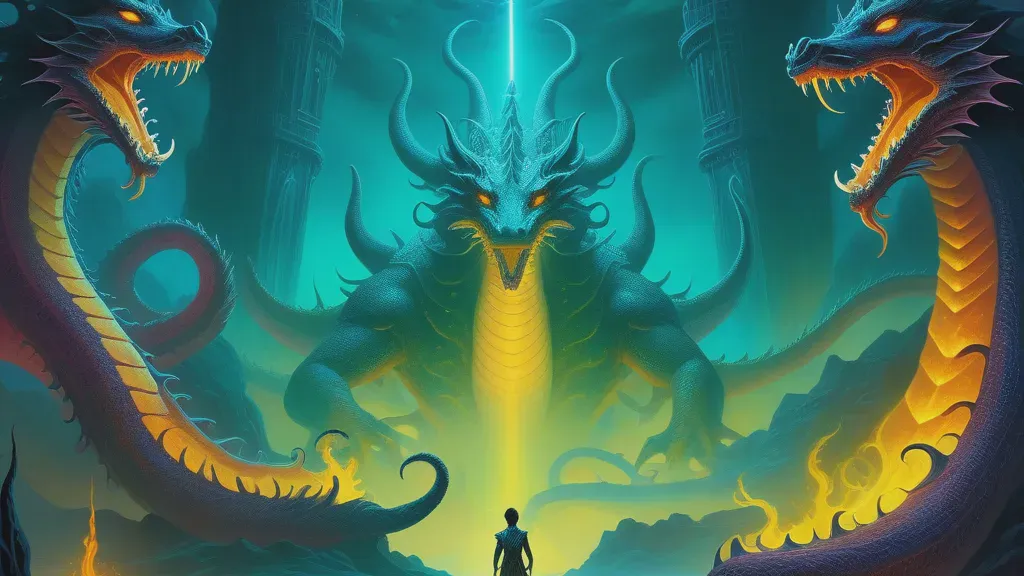
Nidhogg
Jungian Archetypes
Meaning
Dreaming of Nidhogg, the dragon from Norse mythology, symbolizes the confrontation with destructive forces. This reflects the psyche's struggle against shadow aspects and the potential for transformation through facing fears.
Psychological Interpretation
Jung would interpret Nidhogg as a representation of the Shadow, urging integration. Cognitive psychology may see this as a metaphor for internal conflict, while practical psychology encourages the acknowledgment of fears for personal growth.
Cultural & Historical Origins
Nidhogg is found in the Norse 'Prose Edda', where it gnaws at the roots of Yggdrasil, symbolizing destruction and renewal. In various cultures, dragons often represent chaos and the subconscious, as seen in Chinese and European mythologies.
Contextual Variations
The dreamer sees Nidhogg coiled beneath a wooden bridge, gnawing the support beams while the dreamer tries to run across but keeps slipping as the bridge subtly collapses.
Nidhogg represents destructive forces that work from underneath—slow erosion, resentment, or fear that undermines stability. The slipping suggests your psyche is warning you that avoidance won’t stop the damage; you need direct confrontation.
A fierce battle unfolds in a dark hall where the dreamer holds a shield inscribed with protective symbols, and Nidhogg emerges only when the dreamer looks away.
This reflects transformation through facing what you’d rather not see. The fact that Nidhogg appears when you look away suggests your fear grows when it’s disowned, and shrinks when it’s acknowledged.
The dreamer speaks to Nidhogg as if it were a person, and the serpent’s voice turns into a mirror showing the dreamer’s own harsh inner commentary.
Here Nidhogg functions as both confrontation and identification—your mind turning destructive content into something you can finally name. The mirror effect indicates the transformation is internal: changing the voice that gnaws at you.
Frequently Asked Questions
Why did Nidhogg feel so personal in my dream?
What does it mean if I was trying to cross a collapsing bridge?
Is Nidhogg a sign of danger or a sign of change?
Journaling Prompts
- What is the “under-bridge” issue in my life—what’s eroding stability quietly, and what evidence do I have that it’s been growing?
- When did I look away in the dream, and what real-life situation do I currently avoid because it feels threatening?
- If Nidhogg is my destructive force, what would a healthier “counter-message” sound like in my own voice?
Related Symbols
Dreamed about Nidhogg?
Get a personalized AI interpretation that connects this symbol to your specific life circumstances.
Interpret My Dream