Long-Held Melancholy
Jungian Archetypes
Meaning
Long-held melancholy in dreams signifies unresolved grief or nostalgia, often linked to past experiences that shape current emotional states. Such dreams reveal a struggle to process loss, prompting individuals to confront inner sorrow.
Psychological Interpretation
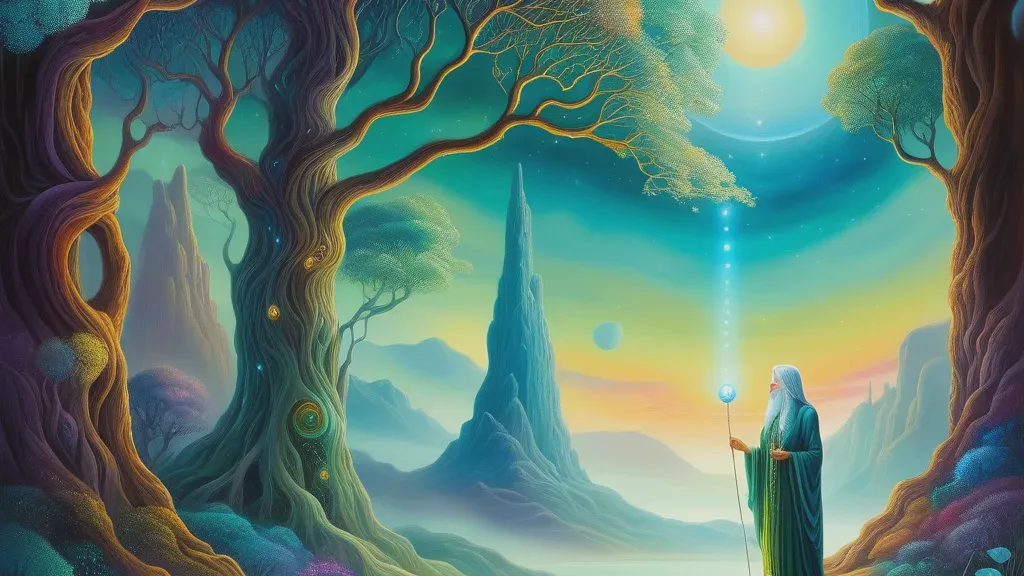
Jungian analysis suggests this reflects the Wise Old Man archetype guiding the dreamer through grief. Cognitive psychology views it as a processing mechanism for unresolved emotions, while practical psychology advocates for emotional expression to alleviate sadness.
Cultural & Historical Origins
In literature, 'The Bell Jar' by Sylvia Plath explores themes of melancholy, while in Eastern traditions, the mourning practices in Shinto reflect deep emotional connections to the past and the importance of processing grief.
Contextual Variations
You walk through a childhood school hallway where the lights dim at each door you pass. You don’t feel panic—just a steady heaviness, like you’re carrying something you forgot to put down.
This melancholy often signals unresolved grief or long-processed longing that still weighs on the present. The gradual dimming suggests your mind is revisiting a “closure point” that never fully landed.
You sit at a table with an old family photograph. Every time you look away, the photo changes slightly—faces fade, but your sadness remains consistent.
The changing photo represents memory reworking: your psyche is trying to update how the past fits. The consistent sadness indicates the grief isn’t about the image alone; it’s about what the image symbolizes (lost roles, safety, belonging).
A wise older stranger offers you a key that opens a room labeled with a date. Inside is a quiet scene from years ago, but you can’t enter it—you can only watch.
The wise figure points to meaning-making, while your inability to enter shows you may not yet be ready to fully feel what happened. The key suggests you have insight available, but emotional access is still guarded.
Frequently Asked Questions
Why does my dream feel like nostalgia rather than sadness?
Does this dream mean I’m stuck in the past?
What’s the best way to respond to a long-held melancholy dream?
Journaling Prompts
- What exact memory or symbol in the dream carries the most weight, and what does it represent in my current life?
- Where in my body do I feel the melancholy during the dream and on waking—chest, throat, stomach—and what does that location suggest about what I’m holding?
- What kind of closure would feel truthful to me right now: remembering, forgiving, letting go, or honoring the loss?
Related Symbols
Dreamed about Long-Held Melancholy?
Get a personalized AI interpretation that connects this symbol to your specific life circumstances.
Interpret My Dream