Horror
Jungian Archetypes
Meaning
Experiencing horror in dreams often reveals deep-seated fears or anxieties, acting as a psychological mechanism that allows individuals to confront and process trauma or unresolved emotional distress.
Psychological Interpretation
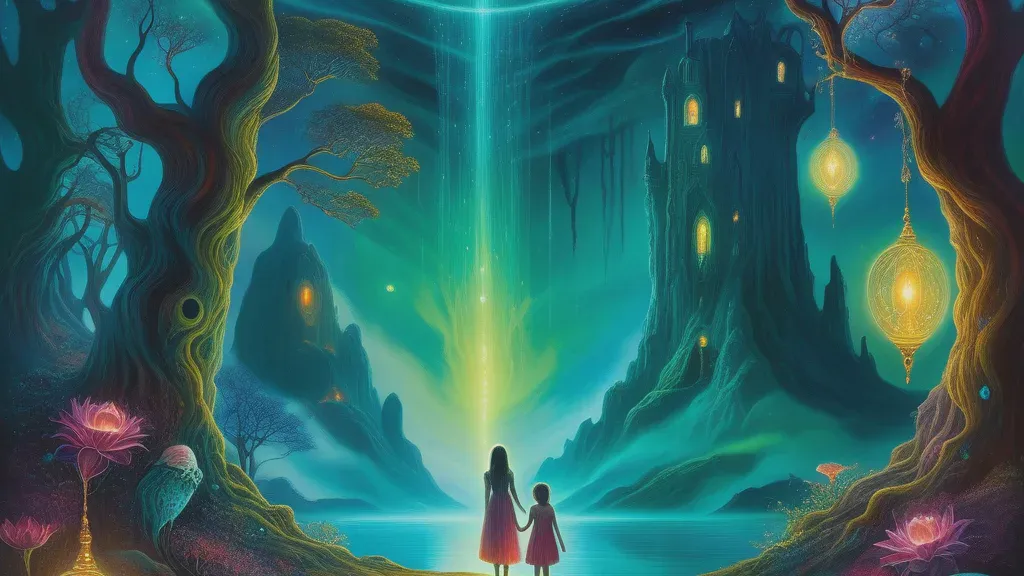
From a Jungian perspective, horror can emerge from the Child archetype confronting the Shadow. Cognitive theories suggest it's a way to rehearse coping strategies for fear. Practical approaches advocate confronting fears to diminish their power.
Cultural & Historical Origins
In Gothic literature like Mary Shelley's 'Frankenstein', horror explores the consequences of unchecked ambition. In folklore, stories like 'The Legend of Sleepy Hollow' embody cultural fears and moral lessons through horror themes.
Contextual Variations
You’re in a familiar apartment, but the lights flicker and a shadow moves where no person should be. You try to scream, but your voice comes out as a whisper, and the fear turns into a desperate focus on escape routes.
Horror dreams often dramatize intense fear while forcing your mind to practice survival logic. The whispering can reflect suppressed expression—your psyche may be limiting outward reaction while still processing threat internally.
You watch a horror movie playing on the wall, but the scenes keep switching to moments from your own past. You wake with your heart racing, yet you feel strangely clearer about what you never resolved.
When horror elements splice with personal memories, it can indicate unresolved anxiety resurfacing in symbolic form. The clarity after the fear suggests your mind may be using shock to break through avoidance.
A frightening figure appears, then suddenly acts like a child needing comfort. You realize the “monster” is asking for care, and your fear shifts into protective compassion.
This can point to internal fear that has a vulnerable core—fear as a request for safety. Psychologically, it may indicate readiness to nurture parts of you that were left unsupported.
Frequently Asked Questions
Why do horror dreams feel so real even after I wake up?
Does horror in a dream mean something bad will happen?
What if I felt more curious than terrified in the dream?
Journaling Prompts
- What was the scariest moment in the dream, and what emotion did it protect you from feeling right before it hit?
- Where in your waking life do you notice “whispering” instead of speaking—holding back fear, anger, or needs?
- If the horror symbol had a message, what would it be trying to get you to address or release?
Related Symbols
Dreamed about Horror?
Get a personalized AI interpretation that connects this symbol to your specific life circumstances.
Interpret My Dream