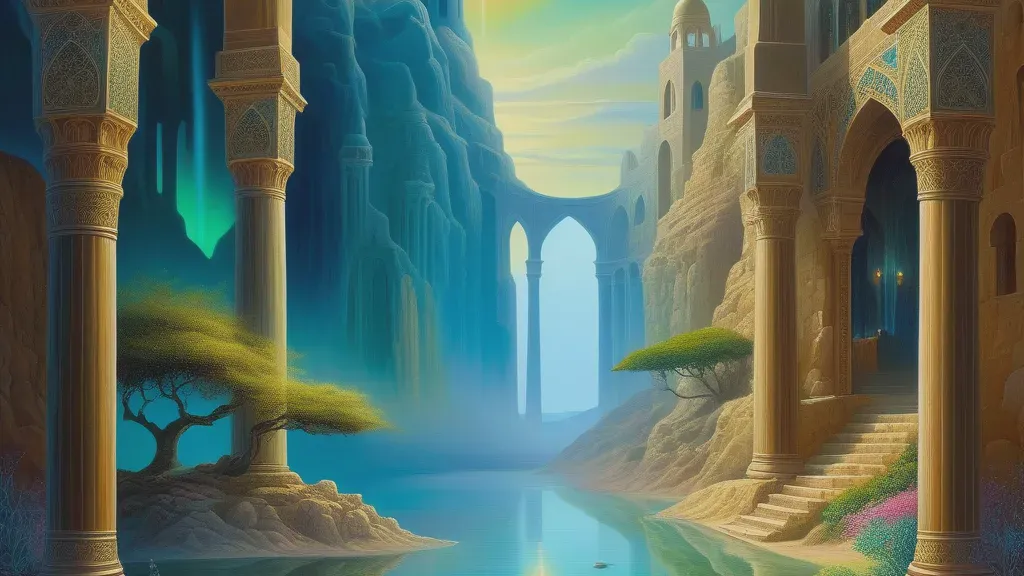
Holy Land
Jungian Archetypes
Meaning
Dreaming of the Holy Land often evokes themes of belonging, spiritual identity, and a quest for peace. It reflects deep-seated yearnings for connection to one's roots and heritage, often linked to collective memories.
Psychological Interpretation
Jungian analysis might see it as a manifestation of the Self's desire for wholeness. Cognitive psychology could interpret it as a reflection of cultural identity, while practical psychology emphasizes the need for belonging and meaning in one's life.
Cultural & Historical Origins
The Holy Land is central in Judaism, Christianity, and Islam, symbolizing a place of pilgrimage and divine promise. Texts like the Torah and the Bible depict it as a land of covenant and hope.
Contextual Variations
You arrive in a Holy Land city where everyone recognizes you, but you can’t remember how; the streets feel like belonging, yet you keep scanning for danger.
Holy Land dreams often combine yearning for peace with unresolved fear—belonging is offered, but the system expects betrayal. The scanning suggests Shadow-related vigilance: part of you anticipates that safety won’t last.
You walk with a figure who seems both familiar and unfamiliar; when you ask where you are, the land answers by changing the language on signs to match your thoughts.
The shifting language reflects identity integration—your spiritual sense of self adapting to your inner truth. It suggests you’re ready to align your external life with an internal narrative of belonging.
You’re told to rest in a courtyard, but you notice a hidden path behind a statue; when you follow it, you find a quiet, dark room that feels like you’ve been there before.
The hidden path indicates the Shadow’s presence within the quest for peace. Psychologically, it can show that your journey to belonging requires confronting what you’ve avoided, not just seeking comfort.
Frequently Asked Questions
Why does holy land feel peaceful but also emotionally complicated?
What does it mean if people in the holy land recognize me?
Does the shadowy hidden room mean the dream is warning me?
Journaling Prompts
- Where do you want peace or belonging in waking life, and what fear keeps interrupting that desire?
- In the dream, what seemed to recognize you—your history, your character, or your inner truth?
- What did the hidden path lead to, and what part of you has been waiting for acknowledgment?
Related Symbols
Dreamed about Holy Land?
Get a personalized AI interpretation that connects this symbol to your specific life circumstances.
Interpret My Dream