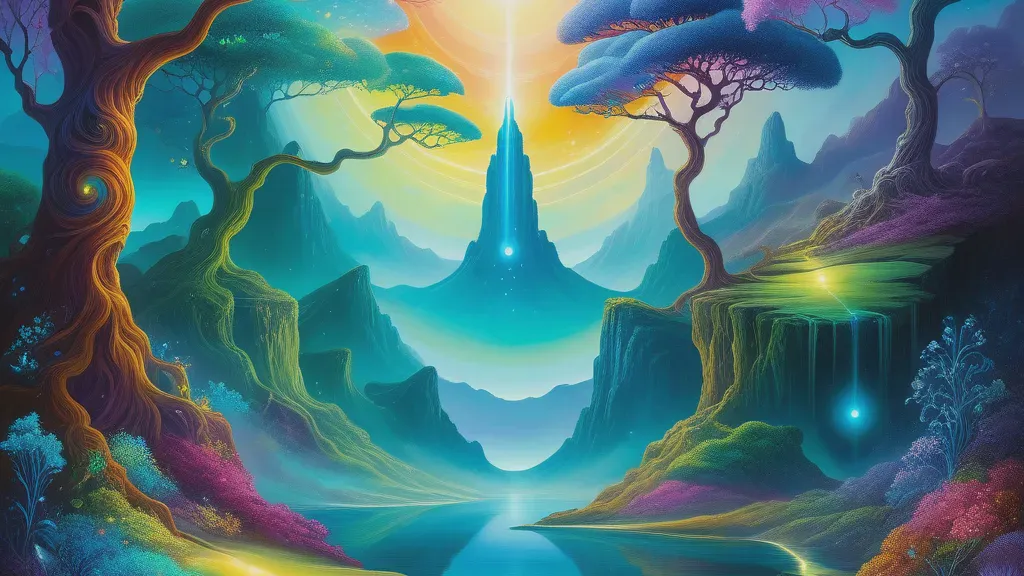
Harmony
Jungian Archetypes
Meaning
Harmony in dreams often signals that the dreamer is seeking — or has recently found — a state of internal equilibrium. It may appear as pleasant sound, visual symmetry, or a felt sense of things fitting together, pointing to the psyche's drive toward wholeness. The emotional register of the dream — relief, longing, or awe — reveals whether harmony is something the dreamer possesses or is desperately missing.
Psychological Interpretation
Jung described the psyche as a self-regulating system naturally drawn toward balance between opposing forces — what he called enantiodromia, the tendency of extremes to reverse into their opposites. Dreams of harmony often signal the transcendent function at work: the psyche's capacity to synthesize conscious and unconscious material into a coherent self. When harmony is vivid and numinous, the Self archetype is making itself felt — the totality that lies beyond the ego's partial view.
Traditional Symbol Meaning
The dream symbol of "harmony" has been interpreted through various cultural lenses, often representing balance, peace, and unity among contrasting elements. In many indigenous cultures, harmony is seen as a vital aspect of life, where dreams serve as a conduit for messages from the spirit world. For instance, Native American traditions emphasize the interconnectedness of all beings, suggesting that dreaming of harmony may indicate a need to reconnect with nature or restore balance in one’s life. In these contexts, dreams are often viewed as a reflection of the dreamer's relationship with their community and the environment, highlighting the importance of maintaining equilibrium. In Western cultures, particularly influenced by the philosophical teachings of ancient Greece, harmony has been associated with ideals of beauty, order, and the balance of opposites. The ancient Greeks believed that dreams could provide insights into one's psyche, and dreaming of harmony might suggest an inner resolution or the integration of conflicting aspects of the self. This interpretation has persisted through centuries, with figures like Carl Jung emphasizing the significance of achieving personal harmony as a pathway to self-realization. In Jungian dream analysis, harmony can symbolize the reconciliation of the conscious and unconscious mind, pointing to a holistic approach to psychological well-being. Eastern traditions, particularly within Buddhism and Taoism, also hold harmony in high regard, viewing it as a state of enlightenment and spiritual balance. In these cultures, dreams are often seen as reflections of one's mental state. Dreaming of harmony may indicate a journey towards inner peace or a reminder to seek alignment with the natural flow of life. This perspective encourages individuals to embrace the dualities of existence, suggesting that dreams of harmony can be a call to cultivate compassion and understanding in one’s relationships with others. Across these diverse cultural contexts, traditional wisdom emphasizes that dreaming of harmony often serves as a reminder to nurture balance in various aspects of life—be it emotional, social, or spiritual. The symbol of harmony invites dreamers to reflect on their current circumstances and consider areas where they may seek greater equilibrium. While interpretations may vary, the overarching theme remains consistent: dreams of harmony encourage individuals to strive for unity within themselves and their surroundings, fostering a deeper connection to the world and its myriad complexities.
Contemporary Psychological
In the realm of dreams, the symbol of "harmony" often represents a state of balance and integration within the self, reflecting the underlying processes of emotional regulation and memory consolidation. From a contemporary psychological perspective, particularly through the lens of neuroscience, harmony in dreams can signify the brain's efforts to process and integrate various emotional experiences. This integration is crucial for mental well-being, as it allows individuals to reconcile conflicting feelings and thoughts, leading to a more cohesive sense of self. When harmony appears in dreams, it may indicate that the dreamer is successfully navigating their emotions, achieving a state of equilibrium that is essential for psychological health. The deeper significance of harmony in dreams often relates to common themes of connection and unity, both within the individual and in relationships with others. Neuroscientific research suggests that social bonding and emotional connections are vital for our survival and well-being. Dreams featuring harmony may reflect the dreamer's desire for stronger interpersonal relationships or a more profound understanding of themselves in relation to others. This symbol can also indicate a resolution of internal conflicts, suggesting that the dreamer is working towards a more integrated self-concept. When harmony is present in dreams, it can serve as a reassuring sign that the individual is on a path toward emotional healing and personal growth. Dreaming of harmony can also provide insights into the dreamer's current life situation, particularly in terms of stress and coping mechanisms. If a dreamer is experiencing turmoil or conflict in their waking life, the appearance of harmony may signal a need to seek balance or find resolution. It might suggest that the dreamer is subconsciously processing these challenges and is ready to embrace a more peaceful state of being. Conversely, if the dreamer is already experiencing harmony in their life, the dream may serve as a reinforcement of their positive emotional state, encouraging them to maintain this balance amidst potential external stressors. For individuals seeking practical psychological insights from their dreams of harmony, it is essential to reflect on the areas of life where they feel balanced and those where they may need to cultivate more integration. Engaging in practices such as mindfulness, meditation, or journaling can help enhance emotional processing and promote a sense of harmony in waking life. Additionally, fostering connections with others and addressing unresolved conflicts can lead to a more profound sense of unity and well-being. Ultimately, dreams of harmony remind us of the importance of emotional balance and the ongoing journey toward self-discovery and connection with others.
Gestalt / Parts of Self
In Gestalt Psychology, dreams are viewed as a reflection of the self, where each element symbolizes different aspects of the dreamer's psyche. The symbol of "harmony" in dreams often represents a deep yearning for balance and integration within the self. It signifies a state where various parts of the personality—such as emotions, thoughts, and desires—are aligned and functioning cohesively. When a dreamer experiences harmony in their dream, it may indicate that they are either achieving or seeking this state of equilibrium in their waking life, suggesting a desire to resolve internal conflicts and foster a sense of wholeness. The deeper psychological significance of harmony in dreams can also relate to the dreamer's relationships and external environment. It often highlights themes of cooperation, understanding, and the ability to connect with others. Such dreams might emerge during times of stress or discord, serving as a reminder of the importance of fostering positive interactions and maintaining healthy boundaries. By projecting this symbol onto their dream landscape, the dreamer may be acknowledging the need to cultivate harmony not only within themselves but also in their relationships with others, indicating a journey towards emotional maturity and interpersonal effectiveness. Dreaming of harmony may reveal insights about the dreamer's inner world, particularly concerning their current life situation. If the dreamer feels discontent or chaotic in their waking life, the dream might serve as an invitation to explore the underlying causes of this discord and to take ownership of their feelings and responses. This could manifest as a call to address unresolved issues or to make conscious choices that lead to a more balanced existence. The dream acts as a mirror, reflecting the dreamer's aspirations for peace and fulfillment while challenging them to confront any barriers that may be hindering their progress. To gain practical psychological insights from dreaming about harmony, individuals can engage in self-reflection and mindfulness practices. Journaling about their feelings and experiences related to harmony can help them identify areas of their life that require attention or adjustment. Additionally, exploring how they can actively cultivate harmony—whether through communication, self-care, or setting boundaries—can lead to a more integrated sense of self. Ultimately, dreams of harmony encourage the dreamer to embrace all parts of themselves, fostering a holistic approach to personal growth and emotional well-being.
Jungian / Archetypal
In the realm of Jungian and Analytical Psychology, the symbol of "harmony" in dreams resonates deeply with the concepts of the collective unconscious and archetypes. Harmony often represents a state of balance and integration within the self, reflecting the dreamer's journey toward individuation—a process of becoming whole by integrating various aspects of the psyche, including the conscious and unconscious. This symbol can manifest when the dreamer is seeking or experiencing a sense of equilibrium in their life, suggesting that they are aligning their inner desires with their external reality. The harmonious state may also indicate a successful reconciliation of opposing forces within the psyche, such as the conscious ego and the shadow, which encompasses repressed or unacknowledged elements of the self. From a psychological perspective, dreaming of harmony may reveal underlying themes of unity and connection. It suggests that the dreamer is navigating interpersonal relationships or internal conflicts with a newfound sense of peace. This could signify a period of emotional healing or personal growth, where the dreamer is learning to embrace their multifaceted nature. The presence of harmony in dreams can also indicate that the dreamer is tapping into universal archetypes, such as the Wise Old Man or the Great Mother, which symbolize guidance and nurturing. These archetypes serve to remind the dreamer of their innate potential for balance and wholeness, urging them to seek out and cultivate these qualities in their waking life. Moreover, the symbol of harmony may point to the dreamer’s current life situation, particularly if they are facing challenges or transitions. It can serve as a reassuring message that despite external chaos, there is an underlying order that can be accessed through self-reflection and acceptance. If the dreamer is experiencing discord or tension in their waking life, the dream may be a call to address these issues and strive for resolution. It encourages the exploration of the shadow aspects of the self, which may be contributing to feelings of imbalance. By acknowledging and integrating these hidden parts, the dreamer can move closer to achieving harmony within themselves. Practical insights from this interpretation suggest that dreamers should pay attention to areas in their life where they seek balance or feel a lack of it. Engaging in practices such as mindfulness, meditation, or journaling can facilitate a deeper understanding of the self and promote emotional integration. Reflecting on personal values, relationships, and life choices can also help illuminate paths toward achieving harmony. Ultimately, dreams of harmony serve as a powerful reminder of the potential for growth and self-discovery, encouraging individuals to embrace their journey toward wholeness and fulfillment.
Psychodynamic / Freudian
In psychodynamic psychology, the symbol of "harmony" in dreams often reflects a deep-seated desire for balance and peace within the self and one’s external environment. On the manifest level, a dream featuring harmony might present as serene landscapes, harmonious relationships, or musical elements. However, the latent content reveals a more complex psychological landscape, where this symbol may signify the dreamer's unconscious struggles with conflicting emotions or unresolved issues. The pursuit of harmony can represent a wish fulfillment, where the dreamer seeks to reconcile internal conflicts or external pressures that disrupt their sense of well-being. From a psychodynamic perspective, the desire for harmony may also indicate the presence of defense mechanisms at play. For instance, if a dreamer frequently experiences dreams of harmony while facing turmoil in their waking life, it might suggest the use of denial or repression as a way to cope with stressors. The dream serves as a safe space for the dreamer to explore their longing for peace without confronting the underlying discord directly. This symbol can also highlight the importance of integrating various aspects of the self, suggesting that the dreamer may need to acknowledge and address parts of their psyche that have been neglected or suppressed. Dreaming of harmony can also shed light on the dreamer’s current life situation, particularly in terms of relationships and emotional health. If the dreamer is navigating conflicts in their personal or professional life, the appearance of harmony in their dreams may indicate a yearning for resolution and connection. It can serve as a prompt for the dreamer to reflect on their interpersonal dynamics and consider how they might cultivate a more balanced and fulfilling existence. This introspection can lead to valuable insights about what changes or actions are necessary to foster a sense of peace. Ultimately, the symbol of harmony in dreams encourages individuals to explore their inner world and confront any dissonance they may be experiencing. By recognizing the significance of this symbol, dreamers can gain a deeper understanding of their emotional needs and the potential barriers to achieving harmony in their lives. Engaging with these insights can empower dreamers to take proactive steps toward creating a more harmonious existence, both within themselves and in their relationships with others.
Cultural & Historical Origins
Ancient Chinese philosophy embedded harmony (和, hé) at the center of Confucian ethics and Daoist cosmology, where all phenomena seek natural balance through the interplay of yin and yang. The Greek Pythagoreans held that the cosmos itself was structured by harmonic ratios — the musica universalis, the music of the spheres — audible only to the philosophically initiated and mirrored in the soul's own proportional order.
Contextual Variations
Hearing perfect music or pure tone
The psyche is achieving integration — disparate psychological elements are resonating in unison rather than in conflict. This is one of the clearest dream signals of the Self archetype becoming active in the individuation process.
Seeing a symmetrical, balanced landscape
Reflects a conscious sense of equilibrium achieved after a period of internal struggle or outer chaos. The landscape is the psyche's map of itself — its order reveals what the dreamer's inner world has accomplished.
People cooperating without friction or effort
Points to a resolution of interpersonal tensions that have been projected outward, or to a deep wish for relatedness uncomplicated by the defensive postures of the ego. It may also signal that inner figures — representing different complexes — are no longer at war.
Frequently Asked Questions
Does dreaming of harmony mean my life is actually in balance?
Why does the harmony in my dream feel so fleeting or fragile?
Can harmony dreams appear during periods of crisis or breakdown?
Journaling Prompts
- What areas of my life feel most out of tune right now — and what would it actually mean, concretely, to bring them into harmony?
- When in my waking life did I last feel the kind of peace this dream offered, and what conditions made it possible? What has changed since then?
- Which parts of myself do I find hardest to reconcile with each other, and what would it look like to hold both without forcing one to disappear?
Related Symbols
Dreamed about Harmony?
Get a personalized AI interpretation that connects this symbol to your specific life circumstances.
Interpret My Dream