Hair
Jungian Archetypes
Meaning
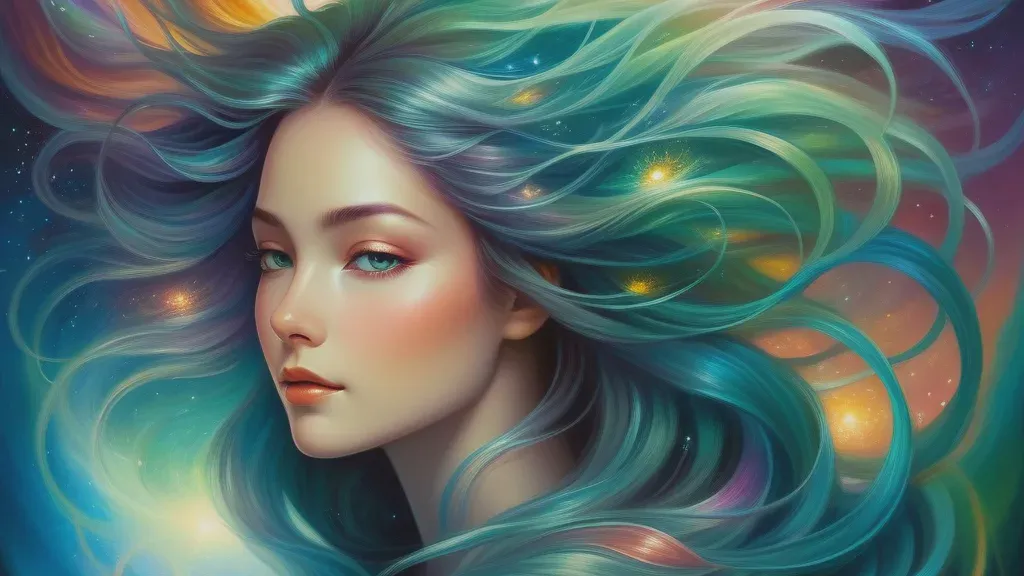
Hair in dreams often symbolizes personal power, identity, sexuality, and how you present yourself to the world. Losing hair may represent anxiety about aging or loss of control, while long, flowing hair can suggest vitality and freedom.
Psychological Interpretation
Jung associated hair with the persona — the social mask we wear. Changes to hair in dreams often reflect shifts in identity or self-image. Hair falling out connects to the fear of losing one's power or attractiveness, while cutting hair can represent a deliberate transformation of the persona.
Traditional Symbol Meaning
Across cultures, hair has long symbolized identity, power, and vitality. In biblical tradition, Samson's hair represented his covenant strength and divine connection—its loss signified spiritual and physical vulnerability. In many indigenous traditions, hair is considered a seat of personal power and spiritual energy, with cutting hair marking significant life transitions. Victorian and medieval symbolism associated long hair with femininity, youth, and sexual availability, while short hair represented rebellion or masculine authority. Hair has historically served as a marker of social status, religious affiliation, and cultural identity. The act of cutting hair has been ritualized across cultures as a rite of passage, mourning, or spiritual purification. Dreams of hair thus tap into these deep archetypal associations with power, identity, sexuality, and transformation.
Contemporary Psychological
Contemporary neuroscience suggests that hair dreams may reflect the brain's processing of identity and social threat detection. Hair is a highly visible marker of identity, age, and health status—signals that the brain monitors for survival and social relevance. Dreams about hair loss or change may indicate the brain's threat-simulation system responding to real or perceived status changes, aging concerns, or social anxiety. The vividness of hair-related dreams often correlates with emotional regulation challenges around self-image and social acceptance. From a cognitive perspective, hair dreams frequently emerge during periods of identity transition or when the dreamer is processing feedback about their appearance or social presentation. The brain uses hair symbolism to consolidate memories about self-perception and to rehearse responses to social evaluation.
Gestalt / Parts of Self
From a Gestalt perspective, hair in dreams is an aspect of the dreamer's own self-expression and body awareness. The dream invites the question: 'What part of myself am I expressing or hiding through my hair?' Hair becomes a metaphor for how we present ourselves to the world and how we own our appearance. If the dreamer is cutting their own hair in the dream, this represents taking active responsibility for their self-image and identity. Tangled or messy hair may reflect confusion about one's self-presentation or internal disorganization that the dreamer needs to acknowledge and integrate. The Gestalt approach emphasizes that every element of the dream—including hair—belongs to the dreamer and represents a disowned or projected aspect of themselves that seeks integration and ownership.
Jungian / Archetypal
In Jungian analysis, hair represents the Self's vital energy and connection to the collective unconscious. The condition and appearance of hair in dreams often reflects the dreamer's relationship with their own power and authenticity. Long, flowing hair frequently symbolizes the anima or animus—the contrasexual aspect of the psyche—and can indicate integration of these archetypal energies. Hair loss or thinning may signal a loss of connection to one's instinctual nature or a crisis in individuation, while the act of cutting hair can represent a necessary sacrifice or boundary-setting in the individuation process. The color and texture of hair amplify these meanings: dark hair connects to the shadow and unconscious depths, while blonde or light hair may represent consciousness and illumination.
Psychodynamic / Freudian
Psychodynamically, hair often symbolizes sexuality, virility, and the body's instinctual drives. Hair loss in dreams may represent castration anxiety, fear of aging, or loss of sexual potency—particularly in men. For women, hair frequently connects to femininity, attractiveness, and the desire to be desired, with hair loss potentially reflecting anxiety about desirability or control over one's body. The act of cutting or styling hair can represent sublimation of sexual energy into socially acceptable forms of self-expression. Hair color changes may indicate repressed desires or identity shifts emerging from the unconscious. The dream often reveals conflicts between the id's instinctual expression and the superego's social constraints, with hair serving as the battleground where these forces negotiate acceptable presentation to the world.
Cultural & Historical Origins
In the biblical story, Samson's power resided in his hair. In many indigenous cultures, long hair is considered a spiritual antenna connecting to higher consciousness. Hindu ascetics may shave their heads to renounce worldly attachment, while Sikh tradition preserves uncut hair as divine perfection.
Contextual Variations
Hair falling out
Loss of control, anxiety about aging or health, fear of losing power or attractiveness, identity crisis, or a need to release something no longer serving you. May signal stress or a transition period.
Cutting your hair
Taking control of your identity and self-image, setting boundaries, releasing the past, or making a significant life change. Can represent sacrifice or necessary loss for growth.
Long flowing hair
Freedom, vitality, sexuality, and connection to instinctual power. May represent the anima/animus or a desire to express your authentic self without constraint.
Hair changing color
Identity shift, emotional transformation, or integration of new aspects of self. May reflect changes in how you perceive yourself or how you wish to be perceived.
Tangled or messy hair
Internal confusion, disorganization, or feeling overwhelmed. May indicate that your self-presentation is chaotic or that you need to untangle conflicting aspects of your identity.
Frequently Asked Questions
Why do I dream about losing my hair?
What does it mean if I cut my own hair in a dream?
Does hair color matter in dream interpretation?
Journaling Prompts
- What does my hair represent about my identity and personal power right now?
- If my hair could speak, what would it tell me about how I'm presenting myself to the world?
- What aspect of my appearance or self-image am I most anxious about, and what does that reveal about my values?
- How do I want to be seen by others, and how does my hair (or its condition in the dream) reflect that desire?
- What would it mean for me to 'let go' of something, and how does that connect to the hair imagery in my dream?
Related Symbols
Dreamed about Hair?
Get a personalized AI interpretation that connects this symbol to your specific life circumstances.
Interpret My Dream